


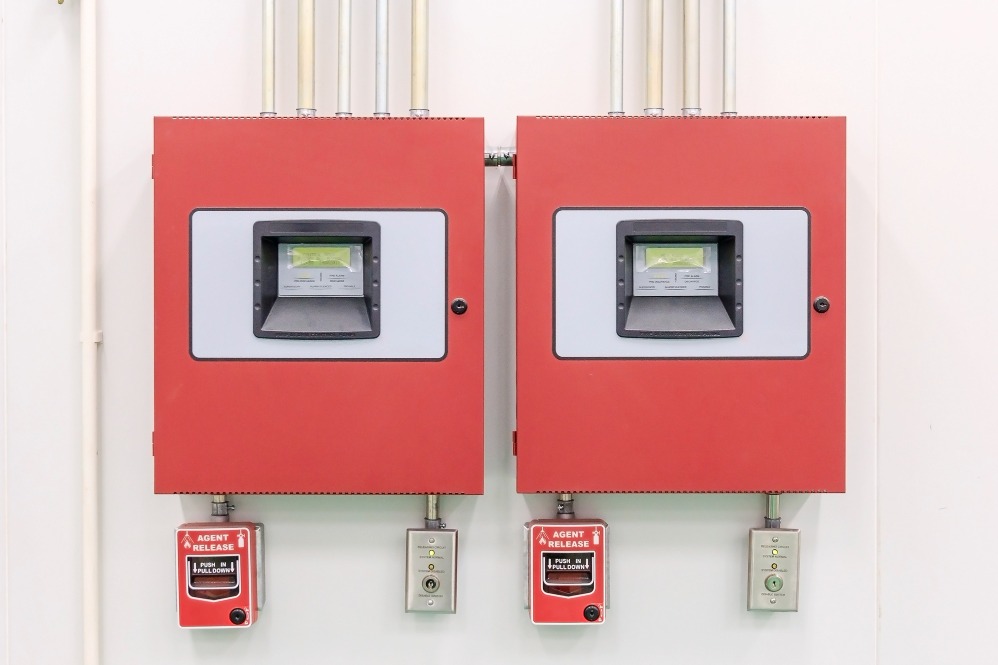
A fire can develop without warning, and in many cases, the speed of detection determines how effectively people can respond. While fire extinguishers and hydrant systems help control fires after they begin, early detection is equally important. A fire alarm panel system serves as the central control unit of a building's fire detection network, helping occupants receive timely alerts when smoke, heat, or fire is detected.
Modern commercial buildings, industrial facilities, educational institutions, hospitals, hotels, and residential complexes increasingly rely on fire alarm systems to improve emergency preparedness. As infrastructure continues to expand across Mumbai and Maharashtra, integrating reliable fire detection technology has become an essential part of building safety planning.
Understanding how a fire alarm panel system works and why it is important can help property owners make informed decisions about protecting people and valuable assets.
What Is a Fire Alarm Panel System?
A fire alarm panel system is the control centre that monitors all connected fire detection devices within a building. It receives signals from smoke detectors, heat detectors, manual call points, and other fire detection equipment, then activates alarms to notify occupants of a potential emergency.
The panel also helps identify the location of the alarm, allowing emergency responders or facility management teams to react quickly and investigate the situation.
Rather than functioning independently, the control panel connects various fire safety devices into a single coordinated system.
How Does a Fire Alarm Panel System Work?
The operation of a fire alarm panel follows a continuous monitoring process.
When a detector senses smoke, heat, or another fire-related condition:
- The detector sends a signal to the fire alarm panel.
- The control panel analyses the incoming information.
- Audible alarms and visual warning devices are activated.
- Occupants are alerted to begin evacuation procedures.
- In some buildings, the panel may also trigger connected systems such as emergency lighting, fire doors, smoke extraction systems, or automatic fire suppression equipment.
This rapid communication allows people to respond before a fire spreads significantly.
Main Components of a Fire Alarm System
A complete fire alarm network includes several interconnected devices.
These commonly include:
- Fire alarm control panel
- Smoke detectors
- Heat detectors
- Manual call points
- Sounders and sirens
- Flashing visual indicators
- Power supply and battery backup
- Communication modules
- Notification devices
Each component performs a specific role in ensuring that the system operates efficiently during an emergency.
Types of Fire Alarm Panel Systems
Different buildings require different fire alarm solutions depending on their size and complexity.
Conventional Fire Alarm Panels
Conventional systems divide a building into multiple zones. When an alarm is triggered, the control panel identifies the affected zone rather than the exact device.
These systems are commonly used in smaller buildings.
Addressable Fire Alarm Panels
Addressable systems assign a unique address to every detector and device. This enables the control panel to identify the exact location of an alarm, making emergency response faster and more efficient.
Large commercial buildings, hospitals, hotels, and industrial facilities often prefer addressable systems because of their improved monitoring capabilities.
Benefits of Installing a Fire Alarm Panel System
An effective fire alarm system offers several important advantages.
These include:
- Early fire detection
- Faster occupant evacuation
- Improved emergency response
- Better protection of property
- Reduced risk of extensive fire damage
- Continuous monitoring of fire detection devices
- Integration with other fire safety systems
- Support for regulatory compliance
The ability to detect incidents quickly often makes a significant difference in limiting the impact of a fire emergency.
Common Mistakes Building Owners Should Avoid
Even advanced fire alarm systems require regular attention to remain effective.
Some common issues include:
- Delaying routine maintenance and testing
- Ignoring fault indicators on the control panel
- Blocking or covering smoke detectors
- Using outdated equipment
- Failing to replace backup batteries when required
- Not training occupants on emergency procedures
Routine inspections help identify faults before they affect system performance.
Choosing the Right Fire Alarm Panel
Every property has unique fire safety requirements. Selecting the appropriate fire alarm panel depends on several factors.
Property owners should evaluate:
- Building size
- Number of floors
- Occupancy levels
- Nature of business operations
- Future expansion plans
- Integration requirements with other fire protection systems
- Applicable fire safety regulations
Professional system design ensures that all areas of the property receive appropriate fire detection coverage.
Fire Detection Works Best as Part of a Complete Safety System
A fire alarm panel system is most effective when combined with other fire protection measures such as fire extinguishers, hydrant systems, automatic sprinklers, emergency lighting, and clearly defined evacuation procedures.
Businesses across Mumbai regularly upgrade their fire safety infrastructure to align with changing operational needs and building standards. Reliable fire detection systems play a central role in supporting employee safety and protecting critical business operations.
Safety India Service provides fire safety equipment and integrated fire protection solutions for commercial, industrial, and institutional properties. Businesses seeking information about fire alarm systems and related safety products can also explore resources available through safetyindiaservice.com.
Preparing Buildings for Safer Emergencies
A fire alarm panel system is more than just an alarm—it is the central communication hub that coordinates early fire detection and emergency response. By providing timely alerts and supporting faster decision-making, these systems help reduce risks to occupants and property.
Whether for a manufacturing facility, office building, hospital, warehouse, or residential complex in Mumbai or anywhere across Maharashtra, investing in a dependable fire alarm panel system is an important step toward creating a safer environment and strengthening long-term fire protection.


