Choosing a modular extinguisher for an enclosed area requires more than matching a cylinder to a room size. You will be able to verify the release mechanism, agent, coverage, hazard class, enclosure conditions, installation work, maintenance obligations, and approval documents before selecting a model.
Key takeaways
- Heat triggers discharge; smoke alone does not activate the unit.
- Size each unit for the enclosure volume, hazard type, and manufacturer’s coverage limits.
- Confirm agent compatibility, enclosure integrity, and occupancy safety before installation.
- Request test certificates, trigger ratings, installation instructions, and maintenance requirements.
What physically triggers discharge, and what does the unit actually release?
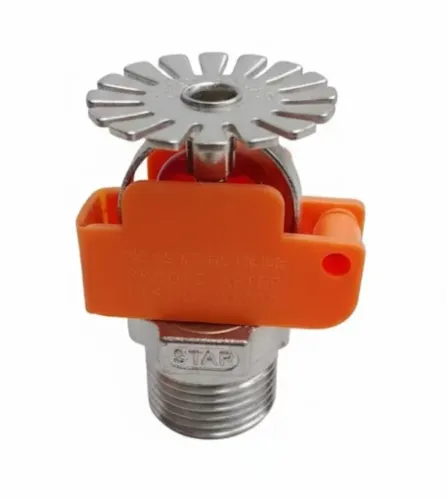
A modular extinguisher discharges when heat reaches its rated trigger, not when smoke appears. A heat-sensitive glass bulb breaks at its specified temperature; a fusible element melts; or a thermal detection cable changes state and operates the automatic discharge mechanism.
That action opens a valve or ruptures a seal, allowing stored pressure to drive the agent through the outlet. High ceilings, ventilation, obstructions, or cold-air discharge can delay activation.
Confirm these figures before comparing models:
- Agent type and quantity, such as kilograms of dry chemical or litres of clean agent
- Cylinder pressure, operating-temperature range, discharge duration, and discharge pattern
- Manufacturer’s tested protected volume, with room length, width, height, ventilation, and obstructions accounted for
- Approved fire classes: Class A, Class B, Class C where that standard uses the designation, and energized electrical equipment
- Maximum fuel load, enclosure conditions, and whether the rating covers the whole room or only a defined zone
| Detector type | Physical trigger | Main limitation |
|---|---|---|
| Heat-sensitive glass bulb | Bulb breaks at its rated temperature | Responds only after heat reaches the bulb |
| Fusible element | Metal link melts and releases the valve | Poor placement delays operation |
| Thermal detection cable | Cable senses heat along its installed length | Requires correct routing and supervision where specified |
The released agent may suppress flames without cooling hot equipment or stopping battery thermal runaway. Verify the agent listing for the actual hazard; “clean agent” alone does not prove suitability.
How do you size and position one unit inside an enclosed area?
One unit protects the whole enclosure only when its product listing covers the calculated protected volume and the enclosure retains the agent concentration for the required hold time. Calculate room length width height from the approved design manual; do not infer coverage from cylinder size.
A cabinet or machine rating calls for local application protection, not total flooding.
Match the unit to the hazard distribution:
- Electrical room: check cable routes, switchgear sections, and concealed spaces rather than treating the room as one open volume.
- Server room: account for racks, raised floors, overhead cable trays, and cooling airflow.
- Generator enclosure: protect the engine, alternator, fuel-related hazards, and ventilation path.
- Pump room: check separate pumps, pipe galleries, and partitions.
- Kitchen: assess appliances, hoods, ducts, and grease-laden surfaces.
- Storage cabinet: treat the cabinet as a defined zone unless the listing covers the surrounding room.
- Engine compartment: position discharge and detection around the enclosed machinery, not merely at the access door.
For total flooding, seal doors, cable penetrations, louvers, fans, and pressure-relief openings; a door-fan test can confirm enclosure integrity for clean-agent systems. High ceiling height, ceiling-level heat stratification, cold-air discharge, strong ventilation, and obstructions can delay detection or block discharge.
Follow the listed mounting height and orientation, keep the discharge path clear, and place the detector where fire heat reaches it promptly. One module is not whole-room protection when partitions, voids, airflow, or equipment shielding leave any hazard outside its approved zone.
When is a modular extinguisher safe and suitable for the hazard?
A modular extinguisher is safe only when its agent listing matches the fire class, enclosure, occupancy, and discharge consequences. Check whether the approval covers Class A, Class B, Class C, or energized electrical equipment; classification meanings differ between standards.
A unit above a cabinet may provide local application, not protection for the room, cable voids, or connected machinery.
| Agent | Suitable use | Main decision risk |
|---|---|---|
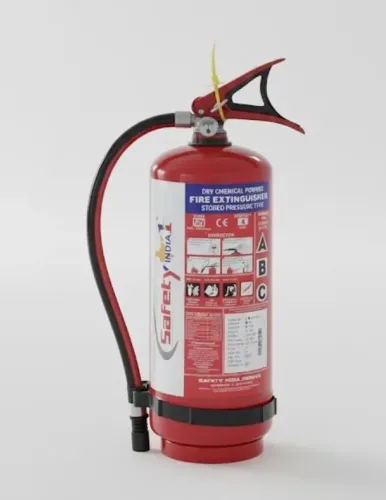
| Dry chemical | Listed Class A, Class B, Class C, or electrical hazards | Rapid knockdown, but residue contaminates equipment, obscures visibility, and can hinder re-ignition checks |
| Condensed aerosol | Listed enclosed-area Class A, B, C, or electrical hazards | Particulate residue, evacuation needs, and post-discharge cleaning |
| Clean agent | Listed enclosed Class A, B, C, or electrical hazards | Requires enclosure integrity and correct concentration; it does not automatically control battery thermal runaway |
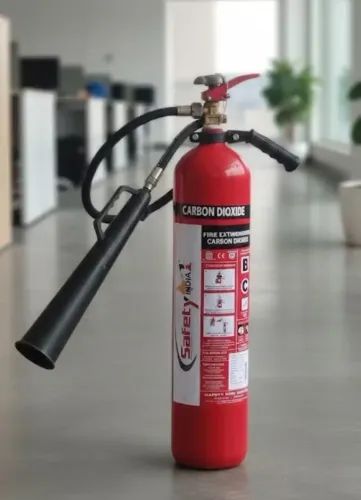
| CO2 | Listed Class B, Class C, or electrical hazards in unoccupied spaces | Asphyxiation risk requires evacuation and secure access |
| Water mist | Listed Class A and selected electrical hazards | Water damage and conductivity limits depend on the tested system |
| Sprinkler | Occupied areas with building and contents hazards | Provides cooling and re-ignition control where a modular unit is too narrow |
Do not install a discharge device where false activation could endanger people or stop a critical process without controls. Verify the ambient temperature range, detector location, and release delay; then interlock ventilation shutdown and process isolation. Continuing airflow can remove agent, spread aerosol, feed flames, or leave fuel running.
For occupied rooms, compare evacuation time and discharge effects against a sprinkler or another listed system.
What installation, commissioning, and maintenance work must the facility plan?
Specify substrate strength, anchors, mounting orientation, and discharge clearance before fixing the cylinder. Keep the nozzle and heat-sensitive release mechanism unobstructed, provide tamper protection, and install durable signage showing the agent, hazard limits, manual actuator, and emergency actions. Confirm pressure relief provisions where enclosure pressure can rise.
Connect the device to the fire alarm and releasing system when the design includes supervised detection, alarm notification, manual release, abort, ventilation shutdown, or process isolation. Commission every interface in the actual release sequence; do not assume a fan or fuel valve will stop after discharge. Record these tests:
- Verify cylinder pressure, detector or thermal release operation, wiring supervision, alarm audibility, shutdown response, manual actuator operation, and releasing logic.
- Confirm nozzle discharge clearance and, for total flooding, run a door-fan test to identify leakage through doors, louvers, cable penetrations, and pressure-relief openings.
- Record the model, serial number, agent quantity, cylinder pressure, installation date, test results, faults corrected, technician, and inspection interval.
Inspection must cover mounting, corrosion, leakage, tamper seals, unobstructed discharge paths, detector condition, pressure or weight, electrical supervision, and the manufacturer’s service-life date.
| Condition | Required action | Why it matters |
|---|---|---|
| Discharged or pressure lost | Isolate the hazard, control re-entry, inspect hot spots, then recharge or replace the cylinder and thermal release replacement part | A first discharge does not cool equipment or remove fuel |
| Damaged seal, leak, or failed test | Remove from service and repair or replace it | An apparently present module may not operate |
What should you request from a supplier before approving the model?
Do not approve a model from its cylinder size or “high-performance” label. Match the supplier’s listed protection volume, allowable enclosure, mounting orientation, ceiling height, detector temperature, ventilation conditions, and obstructions to your room design.
1. Request a clear photograph of the nameplate and record its serial number, batch number, manufacturing date, agent fill quantity, cylinder pressure, discharge duration, discharge pattern, and stated protected volume. Confirm that these figures match the quotation and installation drawing.
2. Ask for the test certificate, the applicable BIS product standard, and the exact approval scope. For condensed-aerosol equipment, check whether the documentation identifies NFPA 2010, ISO 15779, or UL 2775; do not treat those references as approval for a different agent or system type.
A CO₂ unit requires a separate review against NFPA 12, including personnel-safety controls.
3. Obtain the installation manual and maintenance manual. Check the required mounting hardware, clearances, detector replacement interval, electrical supervision, alarm and shutdown interfaces, commissioning tests, and NFPA 72 requirements when the unit connects to a releasing or fire-alarm system.
4. Get a written lifecycle quote from the service provider covering installation, commissioning, inspections, transport, recharge or complete unit replacement after discharge, cylinder testing, expired modules, seals, detectors, and disposal. Safety India Service can be asked to identify these obligations model by model rather than leaving them inside a generic supply quotation.
A missing serial number, altered label, unsupported approval claim, or unavailable service record is a reason to stop approval.
Related product
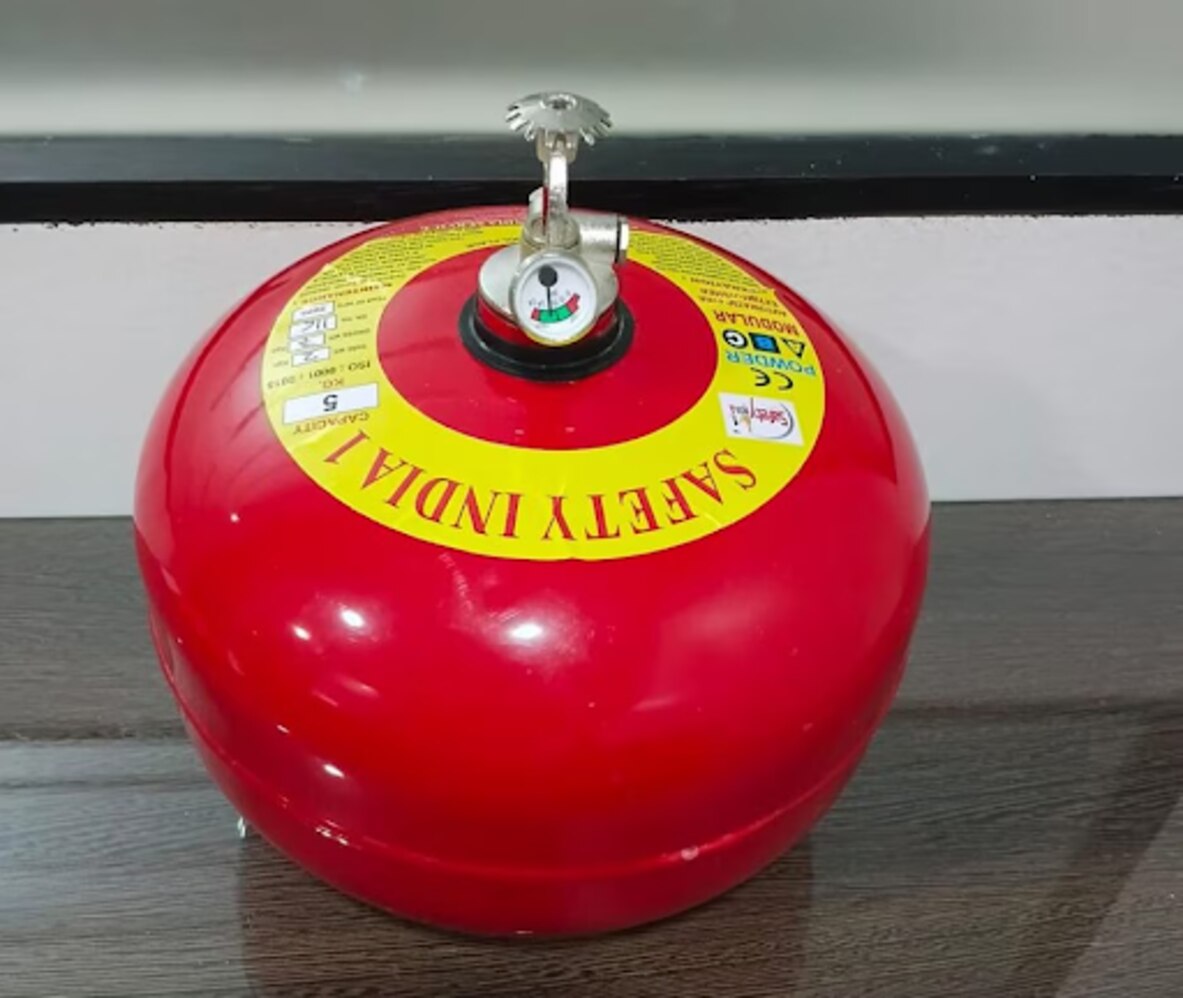
 | Modular Fire Extinguisher Safety India Service brings you high-performance Modular Fire Extinguishers designed for automatic protection in high-risk areas. View product → |
Frequently asked questions
What physically triggers a modular fire extinguisher, and what does it release?
A rated glass bulb breaks, a fusible element melts, or a thermal detection cable operates the mechanism. The unit then releases its specified extinguishing agent.
How do you size and position a modular extinguisher inside an enclosed area?
Use the enclosure volume, fire hazard, agent type, discharge pattern, and manufacturer’s coverage calculation. Position the unit so the agent can reach the protected zone without obstructions.
When is a modular extinguisher safe and suitable for a hazard?
Check the agent against the fuel, electrical equipment, enclosure occupancy, ventilation, temperature range, and required personnel protection measures.
What should you request from a supplier before approving the model?
Request the product datasheet, trigger temperature, agent details, coverage limits, test certificates, installation instructions, maintenance schedule, and approval documentation.