


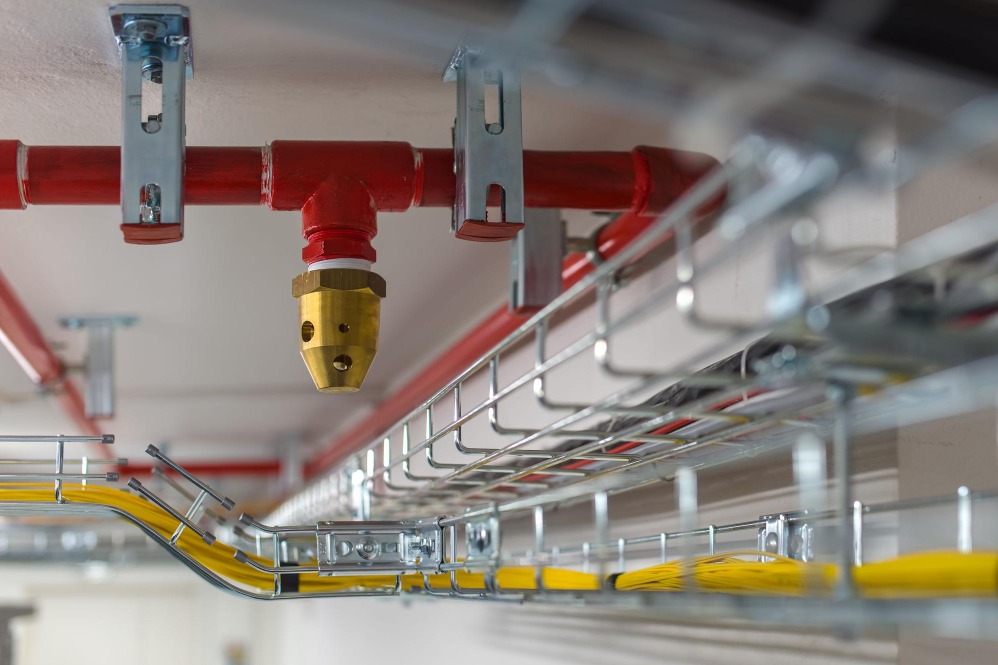
Fire protection has evolved significantly over the years. While portable fire extinguishers and manual firefighting systems remain essential, many businesses now require solutions that respond automatically when a fire starts. An Automatic Fire Suppression System is designed to detect and control a fire without waiting for human intervention, making it an important safety measure for environments where every second counts.
Industries, commercial buildings, data centres, warehouses, healthcare facilities, kitchens, electrical rooms, and manufacturing plants often contain equipment or materials that can accelerate the spread of fire. In such situations, relying solely on manual firefighting methods may not be enough. Automatic suppression systems help reduce response time, limit property damage, and improve occupant safety.
As businesses continue to grow across Mumbai and Maharashtra, investing in automated fire protection has become an important consideration for organizations looking to strengthen workplace safety while complying with modern fire protection standards.
What Is an Automatic Fire Suppression System?
An Automatic Fire Suppression System is an engineered fire protection solution that detects the early signs of fire and automatically releases a suitable extinguishing agent to suppress or control it.
Unlike portable fire extinguishers, which require someone to identify the fire and operate the equipment, these systems begin working immediately after activation conditions are met.
Depending on the application, suppression systems may use:
- Clean agents
- Water mist
- Foam
- Carbon dioxide
- Dry chemical agents
- Specialised extinguishing agents for specific hazards
The choice depends on the type of fire risk present within the facility.
How Does an Automatic Fire Suppression System Work?
Although different systems operate differently, the basic process remains similar.
- Smoke, heat, or flame detectors continuously monitor the protected area.
- Once a fire is detected, the control panel verifies the alarm.
- Audible and visual warnings may activate to alert occupants.
- The suppression system releases the appropriate extinguishing agent.
- The fire is controlled or suppressed before it can spread extensively.
This rapid response is especially valuable in areas where immediate human action may not be possible.
Where Are Automatic Fire Suppression Systems Commonly Used?
These systems are widely installed in locations where fire can spread quickly or where valuable assets require additional protection.
Common applications include:
- Server rooms and data centres
- Electrical control panels
- Manufacturing plants
- Commercial kitchens
- Chemical storage areas
- Warehouses
- Hospitals
- Laboratories
- Telecommunications facilities
- Industrial machinery
Each application may require a different suppression agent based on the specific fire hazards involved.
Benefits of Installing an Automatic Fire Suppression System
Businesses choose automated suppression systems for several practical reasons.
Some of the key advantages include:
- Immediate response to fire incidents
- Reduced dependence on manual intervention
- Improved protection of valuable equipment
- Minimized fire-related property damage
- Enhanced workplace safety
- Reduced business interruption
- Support for fire safety compliance
- Greater confidence during emergencies
For facilities that operate around the clock or contain high-value assets, automatic systems provide an added layer of protection.
Factors to Consider Before Installation
Not every building requires the same suppression system. Selecting the right solution depends on a careful assessment of the property's fire risks.
Important considerations include:
- Nature of business operations
- Types of combustible materials present
- Presence of electrical equipment
- Building layout
- Occupancy levels
- Environmental conditions
- Local fire safety requirements
- Future expansion plans
A professional fire risk assessment helps determine the most suitable suppression technology for each facility.
Common Mistakes to Avoid
An automatic system is only effective when it is properly designed and maintained.
Property owners should avoid:
- Choosing a suppression agent without assessing fire hazards
- Skipping routine inspections and servicing
- Ignoring warning indicators or fault messages
- Blocking detection devices
- Failing to train employees on emergency procedures
- Assuming the system eliminates the need for portable extinguishers
Regular testing ensures the system remains ready to operate when required.
Automatic Suppression vs Traditional Fire Protection
Many people assume that installing an automatic suppression system replaces all other fire safety equipment. In reality, the most effective fire protection strategy combines multiple systems.
A comprehensive fire safety plan may include:
- Fire extinguishers
- Fire alarm systems
- Fire hydrant systems
- Sprinkler systems
- Emergency lighting
- Smoke detectors
- Evacuation planning
- Automatic suppression systems
Each component serves a different purpose, working together to improve overall fire protection.
Choosing the Right Solution for Your Facility
Every building presents unique fire protection challenges. A data centre requires different suppression technology than a commercial kitchen, while a manufacturing plant may have entirely different risks from a hospital or educational institution.
Businesses across Mumbai increasingly evaluate their fire protection infrastructure as they modernize facilities and expand operations. Selecting the right automatic fire suppression system helps improve emergency preparedness while protecting people, equipment, and business continuity.
Safety India Service supports commercial, industrial, and institutional clients with fire protection solutions tailored to different operational environments. Businesses looking to understand available suppression technologies and integrated fire safety systems can also refer to the information available on safetyindiaservice.com.
Investing in Long-Term Fire Protection
An Automatic Fire Suppression System provides more than convenience—it offers rapid, reliable fire control during the critical early stages of an emergency. By responding automatically, these systems help reduce damage, improve safety, and support uninterrupted business operations.
Whether for a commercial office, industrial facility, healthcare centre, or warehouse in Mumbai or elsewhere in Maharashtra, installing a well-designed suppression system is an important step toward creating a safer and more resilient workplace.


