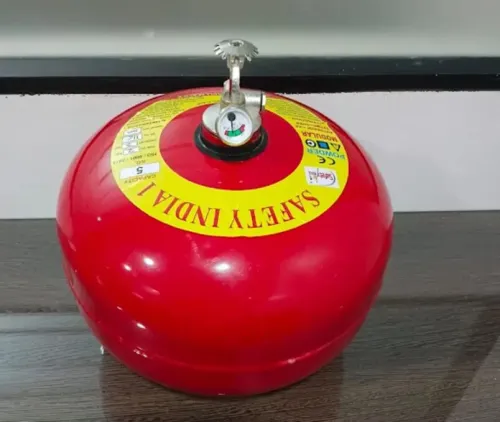
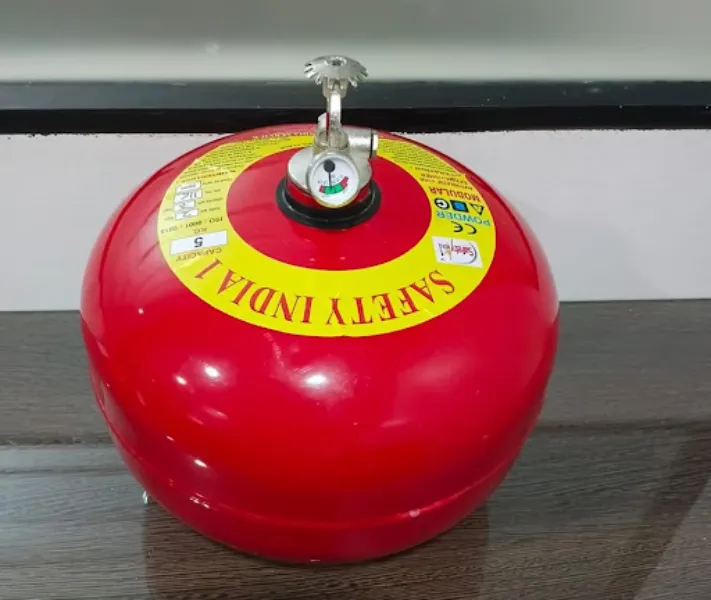
Some fire risks benefit from protection positioned directly around a defined hazard area. A Modular Fire Extinguisher is designed for automatic operation under specified conditions, making it relevant for selected applications where a localized response may be required.
The key word is selected. Modular equipment should be chosen according to the hazard, protected space, extinguishing agent, activation method, and technical design rather than being treated as a universal replacement for other fire protection systems.
Identify the specific hazard
The starting point is understanding what needs protection.
Potential applications can include certain electrical areas, equipment spaces, small enclosures, machinery locations, and other defined risks where the selected modular unit is specifically suitable.
A technical assessment should consider:
- Combustible materials
- Electrical conditions
- Size and geometry of the area
- Heat sources
- Ventilation
- Potential obstructions
- Occupancy
- Environmental conditions
- Expected fire development
The extinguisher's specifications need to correspond to those conditions.
Understand automatic activation
Unlike a conventional portable extinguisher that requires someone to operate it, a modular unit is intended to activate automatically when its designed operating conditions are reached.
This can be useful where immediate human intervention cannot be assumed.
However, automatic operation should not be confused with complete fire safety coverage. The unit protects according to its designed application and limitations. A larger property may still require detection, alarms, hydrants, sprinklers, portable extinguishers, evacuation arrangements, and other systems depending on its risks and applicable requirements.
Installation location is critical
A modular unit needs to be positioned correctly relative to the protected hazard.
Ceiling height, mounting position, coverage limitations, obstructions, airflow, and heat conditions can affect the installation approach. Product instructions and the system design should guide placement.
Simply installing the unit wherever mounting is easiest can compromise the intended protection.
Consider what happens after activation
Facility managers should also understand the consequences of discharge.
Different extinguishing agents have different characteristics. Depending on the protected equipment and environment, considerations may include cleanup, visibility, equipment contamination, ventilation, and re-entry procedures.
Understanding these factors in advance helps organizations develop appropriate post-incident procedures.
Inspect units that rarely receive attention
Because modular extinguishers may remain physically unobtrusive for long periods, they can be overlooked during everyday facility operations.
Planned inspection should check relevant indicators of condition, accessibility for servicing, physical damage, mounting, and other requirements specified for the equipment.
Any change around the protected area should also be considered. New equipment, partitions, ventilation changes, or storage can alter the environment in which the unit was originally selected.
Ask providers application-specific questions
When choosing a supplier, avoid conversations based solely on capacity and cost.
A knowledgeable provider should seek information about the protected area and hazard before recommending equipment. Product specifications, installation requirements, maintenance needs, and limitations should be clearly understood.
Safety India Service provides fire protection equipment solutions for organizations in Mumbai, including businesses that need protection strategies tailored to particular spaces and operating conditions.
For manufacturing facilities, commercial properties, warehouses, hospitals, hotels, and other organizations across Maharashtra, a Modular Fire Extinguisher can provide a useful additional layer of protection when the application is properly assessed.
The strongest readiness indicator is not simply having automatic equipment installed. It is knowing why the equipment was selected, what hazard it protects, how it activates, what its limitations are, and how it will be inspected and maintained throughout its service life.
Keywords