An automatic suppression system must detect a developing fire, release the correct agent, distribute it across the hazard and trigger the actions that protect people and property. By the end, you will be able to follow that sequence, distinguish system architectures and identify the design details that determine whether protection works as intended.
Key takeaways
- Check the detection threshold, release panel and agent-discharge sequence.
- Match water, gas, foam, powder or mist to the fire hazard.
- Confirm isolation, alarms, ventilation controls and manual release access.
- Inspect nozzles, piping, cylinders, valves and records after activation.
From heat detection to controlled combustion
Heat or another fire signal starts a sequence: detection reaches its configured threshold, a valve or release panel opens, the agent travels through piping, and sprinklers or nozzles cool, dilute, separate or interrupt combustion.
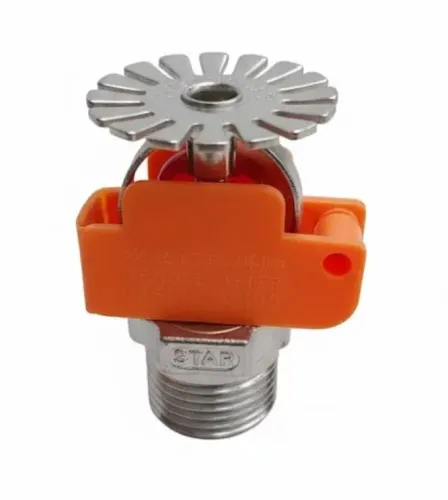
1. A wet-pipe sprinkler system holds pressurised water at closed heads. Heat opens a fusible link or glass bulb at its listed temperature, usually operating only heads exposed to the fire. A dry-pipe system holds air or nitrogen in the pipe; head operation drops pressure, opens the dry-pipe valve and admits water.
2. A preaction system adds detection before water enters the piping. Non-interlock arrangements use detection to open the valve; double-interlock arrangements require detection and loss of supervisory air pressure. A deluge system has open outlets, so one release signal sends water through every connected sprinkler or nozzle.
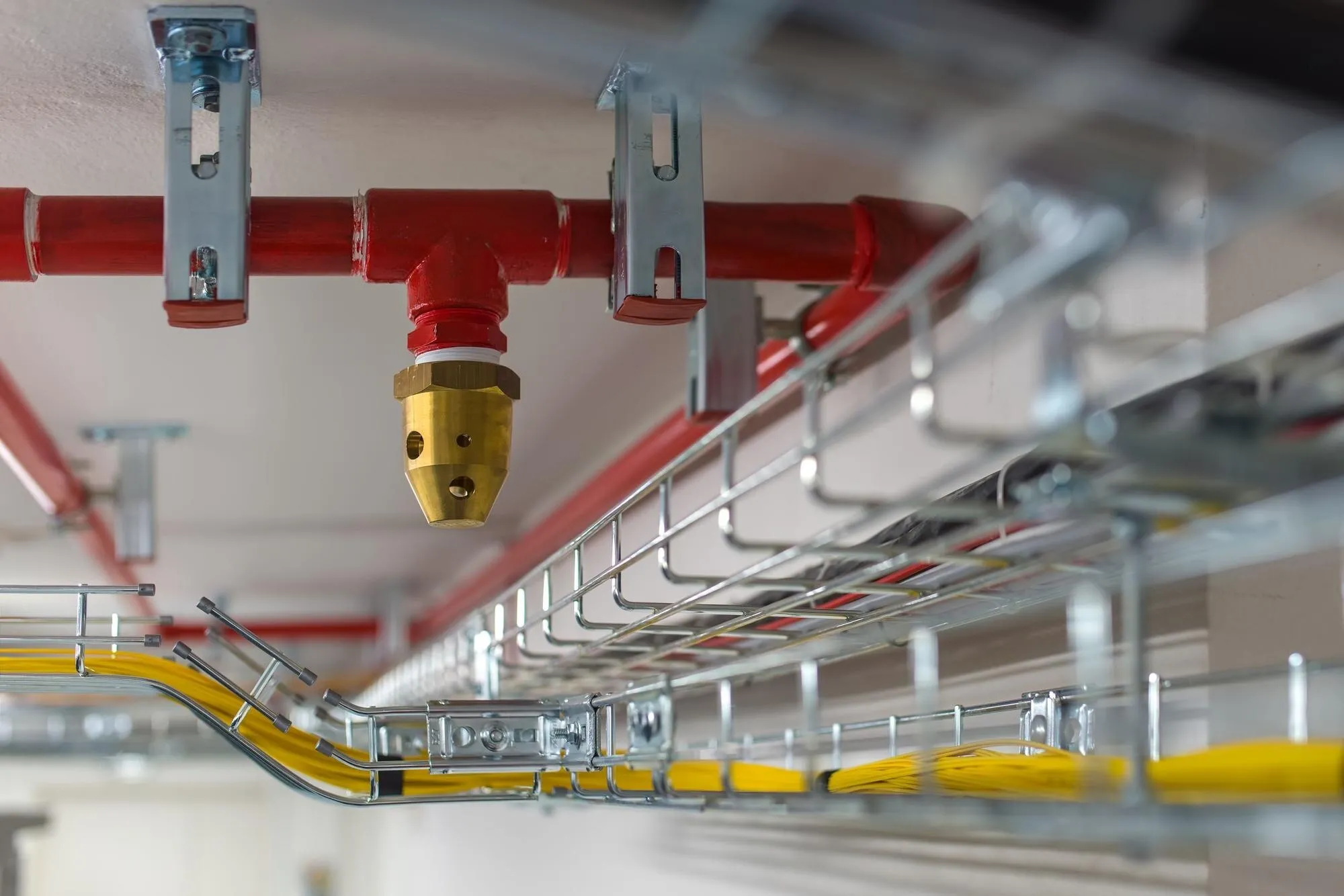
3. Clean-agent systems use detectors and release logic, often with alarm, warning delay and confirmed detection, then discharge agent through multiple nozzles. Dry-chemical systems rapidly knock down flames; water-mist systems cool with fine droplets; local-application systems target a defined machine, vessel or hazard instead of the whole room.
4. Alarm-only detection reports smoke, heat or flame without releasing an agent. Passive fire resistance contains fire through walls, doors and firestopping. Portable extinguishers, hose reels and manually operated hydrants require a person to aim and discharge them. Automatic suppression acts without waiting for manual intervention.
5. Engineers size the response for hazard type, water flow and pressure, pipe friction, elevation, pumps, tanks, design density, coverage area and nozzle spacing. A waterflow alarm can report activation, but the system controls combustion only when its agent reaches the hazard in the designed quantity.
What triggers activation, and who releases the agent?
A fusible link or glass bulb sprinkler releases water at its listed operating temperature; the sprinkler itself does not detect smoke. Smoke can appear long before ceiling heat reaches the bulb or fusible element, so a sprinkler-only system does not provide the same early warning as a separate detector.
| Device | Activation signal | What operates |
|---|---|---|
| Fusible link or glass bulb sprinkler | Listed temperature reached at that head | Usually one sprinkler outlet |
| Pneumatic detection | Heat ruptures or changes air pressure in detection tubing | Release valve or configured outlets |
| Smoke detector threshold or flame detector | Smoke concentration or flame signature reaches its listed threshold | Release panel, alarm, or both |
| Electrically supervised detection circuit | Confirmed detector input reaches the releasing panel | Multiple cylinders, nozzles, or deluge outlets |
Wet-pipe sprinklers operate independently; one heated head does not open every head. A release panel can instead use cross-zoned detection, a pre-discharge warning and a configured time delay before opening several clean-agent cylinders, dry-chemical nozzles or deluge outlets.
Non-interlock preaction needs detection to open its valve; double-interlock preaction needs detection plus loss of supervisory air pressure.
- Sprinkler temperature ratings, detector alarm thresholds and cross-zone logic
- Agent quantity, protected volume, discharge duration and nozzle spacing
- Warning time, delay settings and the exact releasing device
A trouble or supervisory signal from lost power, closed valves, low air pressure or an impaired circuit is not a fire alarm. It means protection availability has been reduced.
How water, gas, foam, powder and mist affect the fire
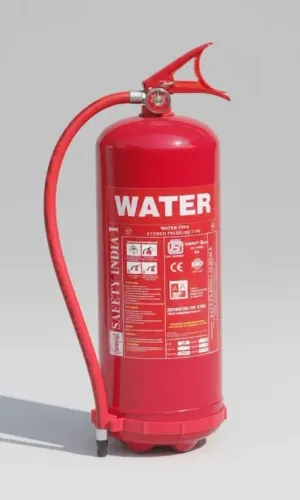
Water sprinklers deliver substantial cooling and usually control a fire with limited operating heads. They also create runoff, demand effective drainage and can damage occupied rooms, electronics or machinery. Electrical exposure requires equipment suitability and isolation; water is not automatically safe around energised systems.
A water mist system uses fine droplets that cool flames efficiently with less water. It can preserve visibility better and reduce runoff and water damage, but drainage, nozzle coverage and electrical compatibility still require design review.
| Agent | Main effect | Key consequence |
|---|---|---|
| Water sprinkler | Cools burning materials | Greater runoff and water damage; needs adequate flow, pressure and drainage |
| Water mist system | Fine droplets cool flames and absorb heat | Lower water demand, but nozzle coverage and electrical exposure remain design issues |
| Foam suppression | Forms a surface blanket | Restricts flammable-liquid vapour and re-ignition |
| Dry chemical system | Rapidly interrupts flame chemistry | Leaves residue and can allow re-ignition |
| Clean-agent system | Removes heat or reduces oxygen concentration | Residue-free, but needs a sealed enclosure |
| CO2 | Reduces oxygen concentration | Serious fatality risk during and after discharge |
Foam works only when its concentrate, proportioning equipment and discharge arrangement match the fuel and hazard. A dry chemical system knocks down flames quickly, yet hot surfaces or remaining fuel can reignite after the powder settles.
A clean-agent system leaves no extinguishing residue, but open doors, failed dampers and unsealed cable penetrations can prevent the design concentration from holding for its specified time. CO2 requires warning alarms, time delays, controlled access and procedures that prevent occupancy during and after discharge.
What happens after the system activates?
Once discharge begins, occupants should hear a local water motor gong or alarm bell. Water movement operates the waterflow alarm, and the waterflow switch sends the signal to the fire alarm control unit or supervising station. Remote notifications may follow.
The cause-and-effect matrix can also command HVAC shutdown, smoke-control changes, fuel isolation, and electrical or process-power shutdown.
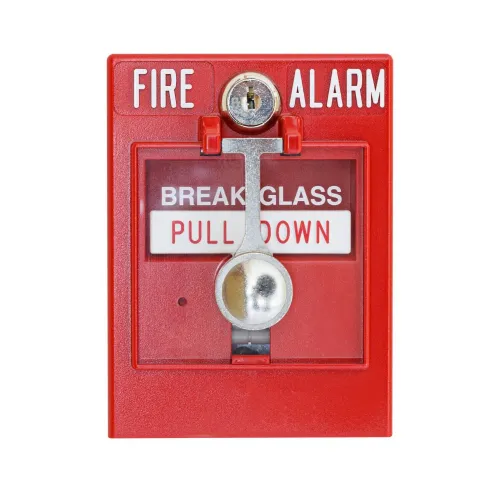
Treat every signal as an instruction for emergency evacuation, not proof that the fire is out. Alarms and shutdowns support evacuation; they do not replace escape routes, emergency lighting or trained response. Facility staff should keep people clear while responders assess smoke, heat, toxic combustion products, equipment damage and any continuing fire.
System type changes what responders find after discharge:
| System | Expected condition | Re-entry concern |
|---|---|---|
| Sprinkler | Waterflow controls the fire at operating heads | Shielded combustibles, concealed spaces, flammable-liquid spills, rapid fire growth or changed storage can defeat control; do not assume extinguishment |
| Clean agent | Agent concentration fills the enclosure after detection logic and delay | Keep out until the concentration has decayed or competent personnel confirm safe conditions |
| CO2 | Extinguishing concentration creates a life-safety hazard | Prevent entry during and after discharge until atmospheric testing and authorized clearance |
Before treating the area as protected again, investigate the fire, isolate damaged equipment, replace or recharge operated cylinders and cartridges, restore valves, reset alarms, test the system and document its return to service. Examine any sprinkler-controlled fire for hidden burning.
How to judge whether the installed response will work
Compare the approved fire suppression system design drawings and cause-and-effect matrix with the room as it exists today: layout, storage height, combustible load, machinery, ceiling obstructions and ventilation. A system designed for low shelving can fail when goods are stacked higher or shield nozzles.
Ask for these design facts before accepting the installation:
- Agent type, cylinder or tank capacity, agent quantity and operating temperature ratings
- Design concentration or water demand, discharge duration, coverage area, nozzle spacing and required hold time
| System basis | What to verify | Failure exposed |
|---|---|---|
| Gaseous agent | Enclosure integrity, closed doors, sealed cable penetrations and working dampers | Concentration falls below the extinguishing level before the hold time ends |
| Water system | Fire-pump and tank flow, pressure, elevation, pipe friction and backflow arrangement | Nozzles operate but cannot deliver design water demand |
| Deluge or local application | Open-outlet coverage, detection logic and drainage capacity | All outlets discharge onto the wrong area or create uncontrolled water damage |
Check that control valves are open and supervised, fire pumps and tanks deliver design flow and pressure, detection circuits show normal status, and release circuits are monitored. Maintenance records must document testing, faults, repairs and restoration.
Use coordinated advice from a fire-protection designer and competent equipment supplier when storage, machinery, ventilation or fuel changes the hazard; do not choose an extinguisher from a catalogue. Safety India Service 27CNOPP6823R1ZV, a Mumbai-based manufacturer and supplier, can help match equipment, but supply does not replace hydraulic calculations, enclosure-integrity assessment, commissioning or statutory approval.
Related products
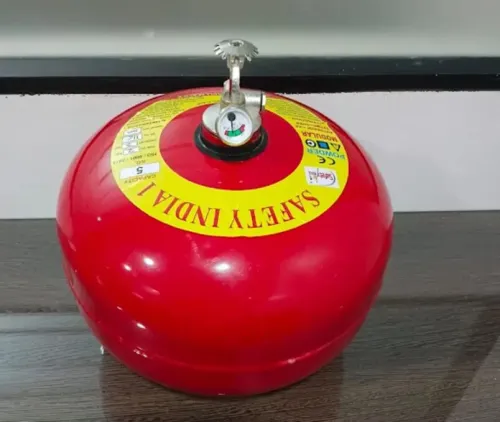
 | Modular Fire Extinguisher Safety India Service brings you high-performance Modular Fire Extinguishers designed for automatic protection in high-risk areas. View product → |
 | CO2 Based Fire Extinguishers CO₂ Fire Extinguishers from Safety India Service are designed for fast and effective protection against Class B & electrical fires. View product → |
Frequently asked questions
What triggers an automatic fire suppression system?
A configured heat threshold or another approved fire signal triggers detection, which sends a command to the release panel or valve.
Who releases the fire suppression agent?
The detection and release system opens the valve or activates the panel sequence; authorised personnel can use manual release controls when provided.
How do different suppression agents control fire?
Water cools, gas dilutes oxygen or interrupts combustion, foam separates fuel from air, powder interrupts the chemical reaction, and mist absorbs heat.
What should happen after the system activates?
Evacuate, notify emergency responders, isolate hazards only when safe, prevent re-entry, and arrange inspection, recharge and system restoration.