A panel must do more than display an alarm: it must identify the initiating device, supervise faults, operate the right notification and control outputs, and remain dependable under the building’s actual load and environment. By the end, you will be able to compare conventional, addressable, and networked architectures, test a quotation for omissions, and match features to your site’s risks and expansion plans.
Key takeaways
- Choose conventional panels for small, simple sites with quickly investigated zones.
- Use addressable panels when you need device-level location and detailed fault reporting.
- Document every input, output and cause-and-effect action before requesting quotations.
- Compare battery capacity, supervision, communications and maintenance access—not just panel price.
Choose the panel architecture that fits the building
A conventional fire alarm panel identifies an alarm by zone; an addressable fire alarm panel identifies the individual detector or module. Choose the first for a small, simple site where occupants can investigate a zone quickly.
Choose the second for a hotel, warehouse, hospital, factory, or multi-storey building where pinpoint location, device status, and future expansion reduce response time.
| Option | What it identifies | Best fit |
|---|---|---|
| Conventional fire alarm panel | Alarmed zone, not the exact device | Small buildings with short cable runs and few zones |
| Addressable fire alarm panel | Individual detector, call point, monitor, or control module | Larger or changing sites needing precise location and diagnostics |
Size capacity from the actual initiating devices, not today’s panel count. Include smoke, heat, flame, manual call points, sprinkler waterflow and valve tamper switches, duct and beam detectors, and gas-release signals; then reserve spare zones, loop addresses, notification circuits, power, and network capacity for approved expansion.
Addressable loops are not interchangeable: confirm the listed protocol, isolator behaviour, cable limits, device loading, and compatible devices.
Keep the fire detection, alarm notification and suppression control distinction clear. The panel detects events and commands outputs; it does not extinguish a fire. Confirm separate interfaces for releasing systems, elevator recall, HVAC shutdown, smoke control, doors, and fire pumps. For U.S.
projects, evaluate the complete assembly under UL 864, including listed power supplies, annunciators, interfaces, notification circuits, and software—not merely individually listed parts. Voice evacuation also needs compatible amplifiers, supervised speaker circuits, emergency priority logic, and intelligibility testing.
Specify inputs, outputs, and cause-and-effect logic
Program each input with a defined event type and cause-and-effect response; do not let the panel treat every contact as a generic fire alarm.
- Smoke detectors: use alarm verification only where permitted and suited to the device; the delay can reduce unwanted alarms but can also delay evacuation.
- Heat detectors: initiate alarm at their listed temperature or rate-of-rise condition.
- Flame detectors: require approved voting or confirmation logic where a single false signal could trigger major action.
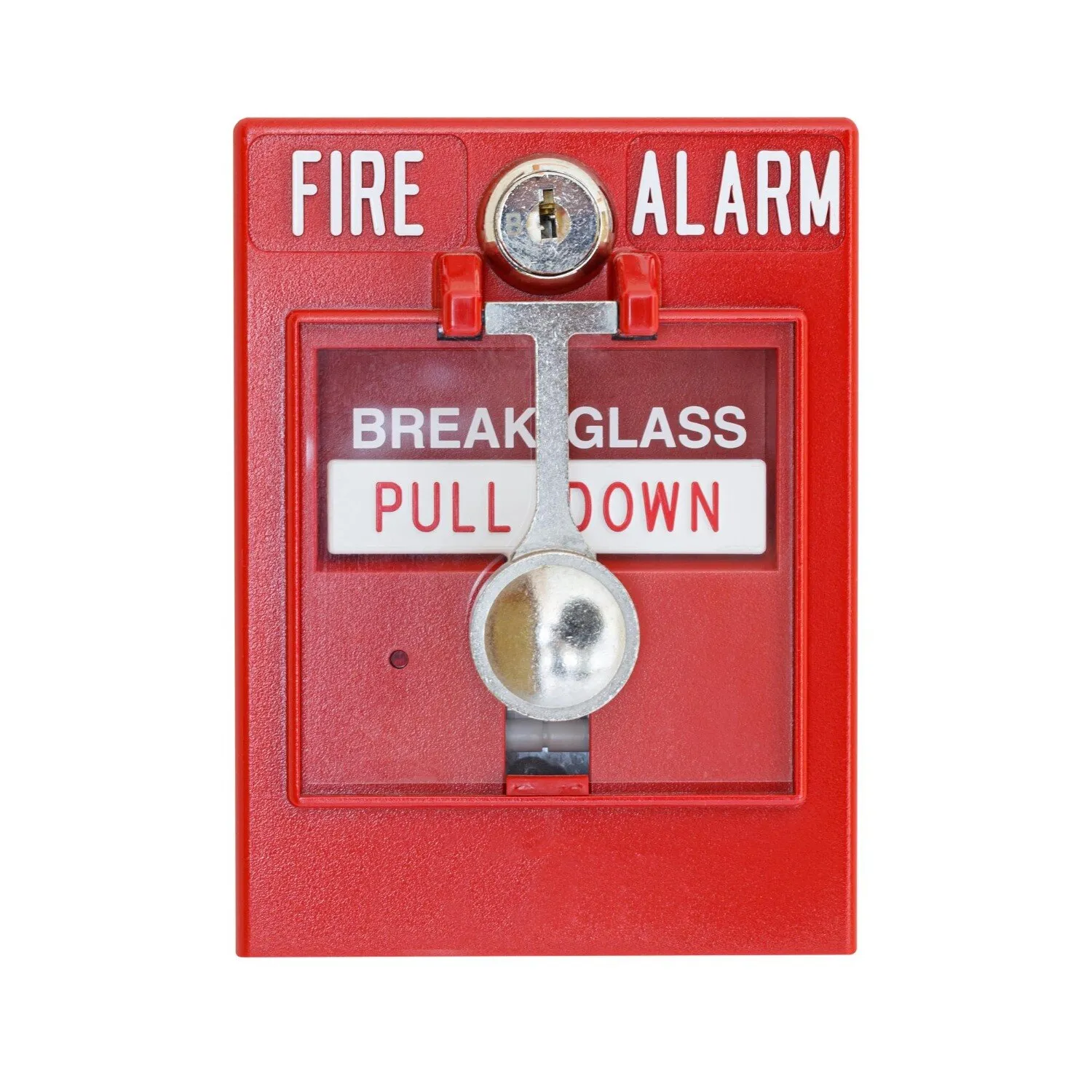
- Manual call points: transmit alarm immediately, without verification.
- Sprinkler waterflow switches: transmit alarm immediately; a valve tamper is supervisory, not alarm.
- Trouble inputs: report an open circuit, ground fault, loss of power, or disabled device separately from fire conditions.
Write the matrix so each event produces the correct output: notification appliances for evacuation, elevator recall, HVAC shutdown, smoke-control commands, door release, fire-pump signalling, or monitoring transmission.
A releasing system needs a listed releasing control unit or subsystem with cross-zone logic, manual release, abort input, pre-discharge warning, supervised outputs, compatible solenoids, timed discharge, and defined reset behaviour. A spare relay on an evacuation panel is not equivalent.
Assess voice evacuation separately from horns and strobes. Confirm amplifier and speaker-circuit supervision, stored or live messages, emergency microphone priority, and audibility and intelligibility testing. Document remote monitoring, controlled access, event logs, backup communications, and the panel’s response when the IP network fails; ordinary IT connectivity must not silently disable life-safety reporting.
Check capacity, supervision, power, and communications
A reliable panel keeps detecting, signalling, and recording events during both an alarm and a single fault. Confirm the addressable loop capacity against the proposed device count, isolators, cable length, loading, and protocol; a physically similar two-wire loop is not automatically compatible with another manufacturer’s detectors.
- Specify zones and simultaneous alarms: the panel must identify every affected zone or device and process the number of concurrent alarm, supervisory, and trouble events expected during evacuation.
- Require fault supervision for loops, notification circuits, power supplies, batteries, network links, amplifiers, and remote annunciators. The display and external signals must distinguish alarm, supervisory, and trouble; a valve tamper is not the same event as sprinkler waterflow.
- Demand battery autonomy calculations based on actual connected load, including standby current, alarm appliances, remote annunciators, interface modules, charger losses, battery ageing, temperature, and end-of-discharge voltage. Do not accept a nominal ampere-hour figure alone; NFPA 72 commonly uses 24 hours of standby followed by 5 minutes of alarm for protected-premises systems.
- For networked panels, require local alarm processing and notification when a network, fibre link, switch, server, or remote annunciator fails. Event records must identify the originating panel, not merely the reporting node.
Assess voice evacuation separately from horns and strobes. Confirm compatible amplifiers, supervised speaker circuits, stored or live messages, emergency priority, microphone controls, and audibility and intelligibility testing. Where EN 54 applies, verify the specific EN 54-2 control-equipment and EN 54-4 power-supply approvals required.
Match the panel to the site, its users, and its maintenance plan
Specify industrial environmental suitability before choosing detector settings or enclosure features. Dust, steam, welding smoke, exhaust, high air movement, and temperature extremes can make point smoke detection nuisance-prone or slow. Aspirating detection can help, but only with correctly designed pipework, transport-time calculations, filtration, thresholds, and airflow-based commissioning.
| Feature | Specify | Failure prevented |
|---|---|---|
| Environmental detection | Detector type, IP rating, temperature range, filtration, and cleaning access for each area | Dust or steam creates repeated false alarms |
| Alarm verification | Enable only for suitable smoke detectors; exclude waterflow, manual stations, and release inputs where the adopted code or listing requires immediate alarm | A verification delay masks a genuine life-safety event |
| Event indication | Separate alarm, supervisory, and trouble displays, signals, and event records; identify the originating panel | A valve tamper is misreported as an alarm, or a network node hides the source |
| Network resilience | Local processing, supervised links, defined degraded-mode operation, logging, and backup communications where required | A failed switch, fibre link, server, or remote annunciator conceals an event |
| Power and maintenance | Calculate standby-plus-alarm duration from actual load, including appliances, modules, charger losses, battery ageing, temperature, and end voltage | Nominal battery capacity fails during an extended outage |
Require cybersecurity and remote access controls that separate fire communications from ordinary IT. Use named accounts, least privilege, strong authentication, change logs, and a documented response to lost connectivity.
At handover, demand commissioning and as-built documentation showing device locations, addresses, cause-and-effect tests, network paths, battery calculations, detector settings, and software versions. Keep inspection results and false-alarm investigation records with the panel history so recurring faults lead to corrective action rather than repeated resets.
Use a complete quotation and comparison framework
Reject any quote that names only a panel model and a device count. It must identify the listed system configuration, interfaces, programming, commissioning, and every excluded item.
| Option | Acceptance check | Expansion and completeness test |
|---|---|---|
| Conventional panel | Confirm the complete configuration is certified for the installation; in the United States, verify evaluation under UL 864 | Check spare zones, notification circuits, relays, and power capacity |
| Addressable panel | Confirm the panel, loop devices, isolators, modules, software, and annunciators are listed together, not merely individually certified | Check spare loop addresses, loop capacity, network licenses, and compatible future devices |
| Networked fire alarm systems | Require documented network architecture, controlled remote access, event logging, backup communications, and response to connection loss | Price fibre or Ethernet paths, switches, gateways, licences, and cybersecurity administration |
Ask the bidder to itemise detector types, manual call points, waterflow and valve-tamper inputs, notification appliances, sounder-strobe synchronisation, cause-and-effect programming, batteries, cabling, interfaces, testing, training, and as-built drawings. This exposes panel quotation omissions before purchase.
Require product certification and authority acceptance in writing, including the approving authority, submission drawings, inspection fees, and responsibility for resolving comments. A collection of individually listed components is not automatically a listed system.
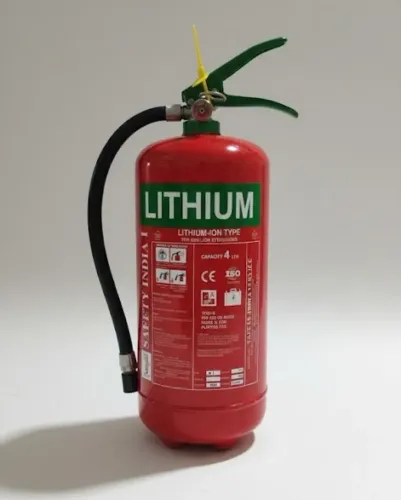
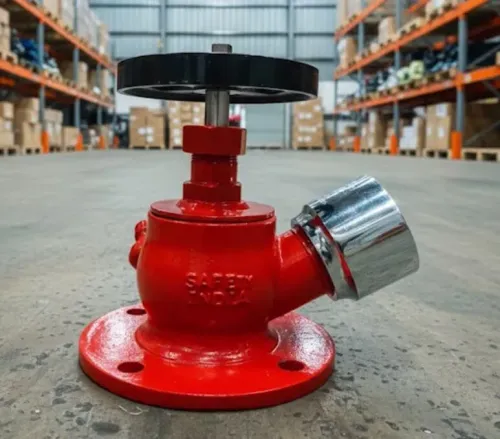
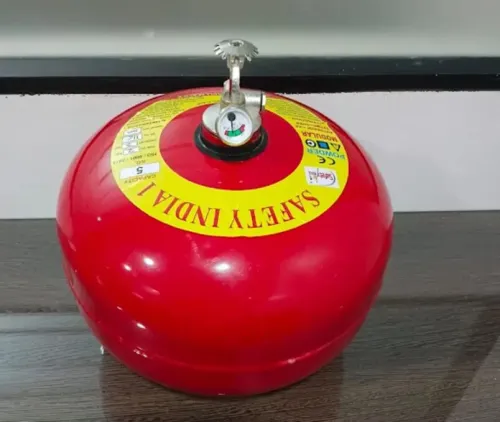
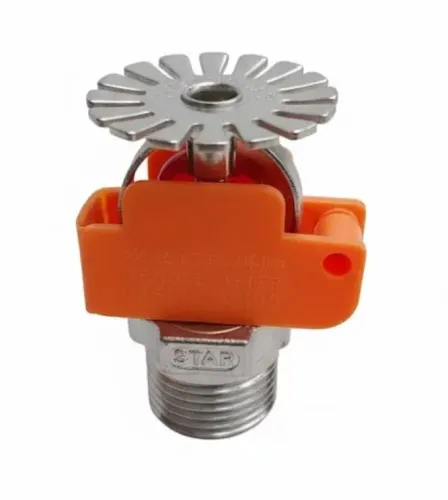
For a supplier such as Safety India Service, make the quotation state whether fire extinguishers, sprinklers, hydrant valves, and hose boxes are supplied, monitored, or excluded; a fire panel does not automatically supervise or operate them. Compare warranty response, spare-part availability, software ownership, and annual testing costs—not just the initial price.
Frequently asked questions
What is the difference between conventional and addressable fire alarm panels?
A conventional panel identifies an alarm by zone, while an addressable panel identifies the individual detector or module. Conventional panels suit small, simple sites where occupants can investigate a zone quickly.
What should a fire alarm panel quotation include?
Request the panel architecture, input and output schedule, cause-and-effect matrix, device capacity, battery calculation, supervision method, communication interfaces, installation scope and maintenance requirements.
Why do inputs, outputs and cause-and-effect logic matter?
Inputs receive signals from detectors, manual call points and monitored equipment. Outputs activate sounders, strobes, smoke-control systems, door releases and other responses defined in the cause-and-effect logic.
What should you check besides the fire alarm panel itself?
Check device capacity, circuit supervision, standby and alarm power, communications, site conditions, user training, service access and the maintenance plan.