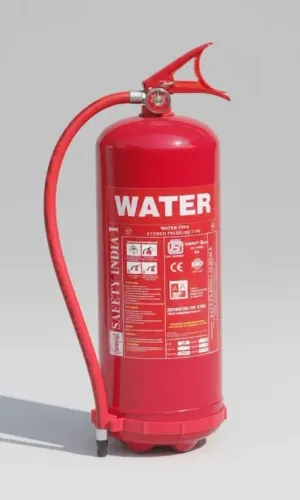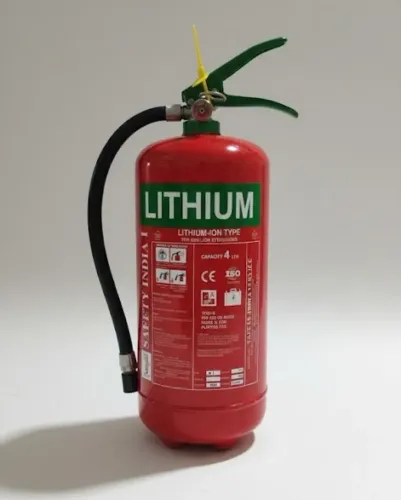
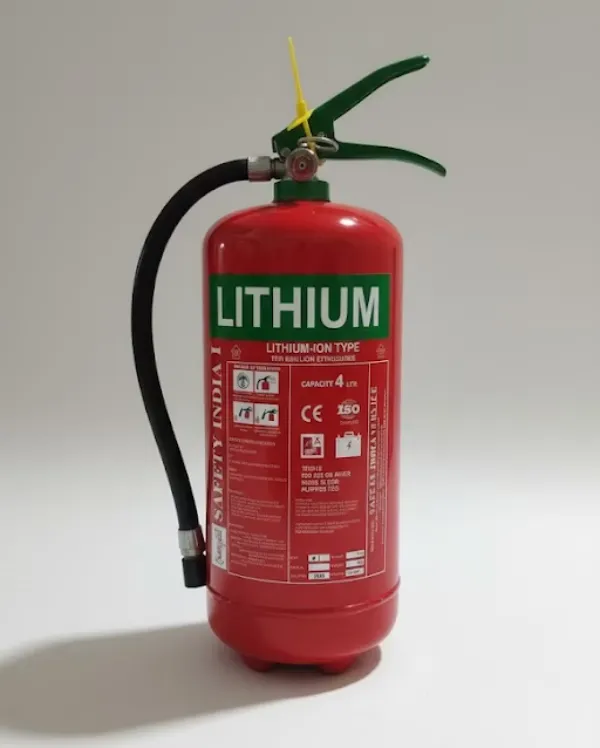
Lithium-ion batteries are now found across commercial and industrial environments, including portable electronics, tools, energy systems, mobility equipment, backup applications, and specialised machinery. As battery use expands, organizations are paying closer attention to the distinctive fire risks associated with damaged, defective, overheated, improperly handled, or failing cells. Lithium-ion Fire Extinguishers are therefore increasingly considered as part of protection planning for specific battery hazards.
Selecting suitable protection requires more than buying an extinguisher carrying a battery-related description.
Start by understanding the battery risk
Lithium-ion battery incidents can behave differently from many conventional combustible fires. A failing cell can enter thermal runaway, during which heat generation and internal reactions can become difficult to control. Heat can also contribute to propagation between nearby cells.
The scale of the hazard varies considerably.
A few small portable devices in an office do not create the same risk profile as a facility storing numerous battery packs. A warehouse, charging area, manufacturing environment, service centre, or energy-related installation can require a more detailed assessment.
The first step is therefore documenting what batteries are present, their quantity, capacity, condition, use, charging arrangements, and storage environment.
Examine the complete battery lifecycle
Fire protection planning should consider what happens to batteries throughout their time on site.
Relevant stages may include:
- Receiving
- Storage
- Charging
- Daily use
- Maintenance
- Movement within the facility
- Handling damaged units
- Temporary isolation
- End-of-life management
Damage can occur through impact, improper charging, exposure to excessive heat, manufacturing defects, or other adverse conditions.
Organizations should have clear procedures for identifying and handling batteries showing warning signs such as swelling, unusual heat, physical deformation, leakage, unusual odour, or other abnormal behaviour.
Do not assume conventional protection is automatically sufficient
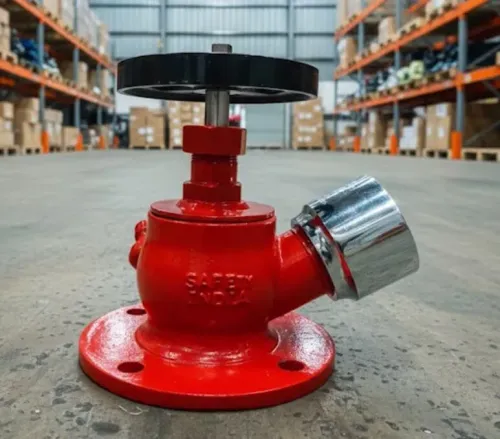
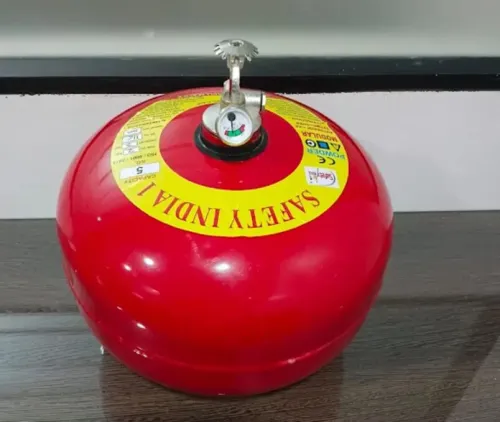
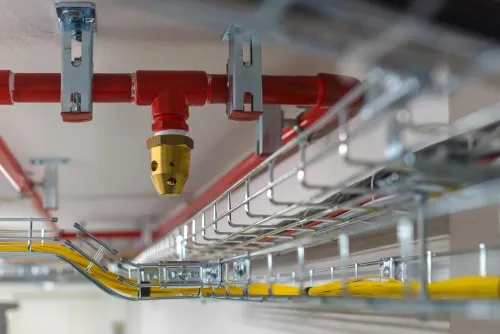
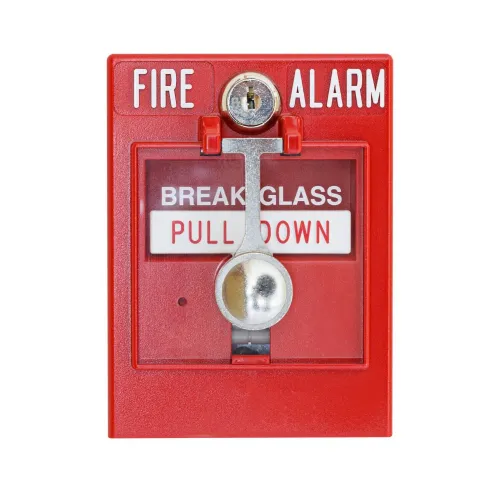
A facility may already have portable extinguishers, sprinklers, alarms, and hydrants. Those systems remain important parts of overall building safety, but battery hazards should be specifically reviewed.
The appropriate response can depend on battery chemistry, battery size, equipment configuration, environment, and the protection technology being considered.
A product described for lithium-ion applications should be evaluated through its technical documentation, tested application, limitations, instructions, and suitability for the particular hazard.
Generic assumptions can be particularly risky when battery quantities increase.
Evaluate the surrounding environment
Battery fire planning is not only about the cell itself.
Consider what is located nearby. Combustible packaging, stored goods, machinery, electrical equipment, vehicles, building materials, and adjacent batteries can influence how an incident develops.
Charging locations also deserve attention. Poorly managed charging arrangements can create unnecessary risks even when suitable firefighting equipment is present.
Good housekeeping, appropriate charging practices, equipment inspection, and battery condition monitoring should work alongside fire protection measures.
Build emergency procedures around realistic scenarios
Employees need clear instructions about what to do if a battery becomes unusually hot, begins smoking, vents, catches fire, or shows other signs of failure.
The response plan should address alarm raising, evacuation, isolation where safe and appropriate, emergency communication, and the role of trained personnel. People should not be encouraged to approach a dangerous battery incident merely because portable firefighting equipment is available.
Organizations should also consider the possibility of continued heating and re-ignition after the visible flames have been controlled. Post-incident monitoring and professional emergency response may therefore form important parts of the plan.
Choose a provider that asks detailed questions
Battery fire protection is an area where generic product recommendations can be inadequate.
A supplier should want to understand the battery type, quantity, capacity, equipment, charging conditions, storage arrangement, surrounding materials, and existing fire protection before recommending a solution.
Safety India Service works with organizations seeking fire safety equipment and protection solutions in Mumbai. For facilities introducing significant lithium-ion battery use, reviewing the new hazard alongside existing fire protection arrangements can help identify where additional measures may be appropriate.
Treat battery safety as an evolving requirement
Technology changes quickly, and battery use within a business can expand without attracting much attention. Ten battery-powered devices can gradually become hundreds of devices, larger packs, charging stations, and dedicated storage areas.
Facility managers across Maharashtra should therefore review battery-related risks whenever equipment, storage volume, charging infrastructure, or operational processes change.
Lithium-ion Fire Extinguishers can form part of a battery fire protection strategy when the selected equipment is specifically suited to the identified application. Strong readiness comes from combining suitable protection with battery management, safe charging practices, employee awareness, emergency procedures, maintenance, and regular risk reviews.
For organizations increasingly dependent on battery-powered technology, this broader approach provides a much stronger foundation than relying on any single piece of firefighting equipment.
Keywords