
Large Properties Need Continuous Fire Protection
A fire hydrant system plays a critical role in controlling major fire emergencies where portable extinguishers alone may not be sufficient. Designed to provide a continuous supply of water, hydrant systems allow trained personnel and firefighters to respond quickly before a fire spreads throughout the building.
For industrial facilities, hospitals, hotels, shopping centres, educational campuses, commercial complexes, and residential developments across Mumbai, an efficient fire hydrant system is an essential part of overall fire protection planning.
Understanding How a Fire Hydrant System Works
A fire hydrant system consists of interconnected components that work together during an emergency.
These typically include:
- Fire water storage tanks
- Fire pumps
- Hydrant pipelines
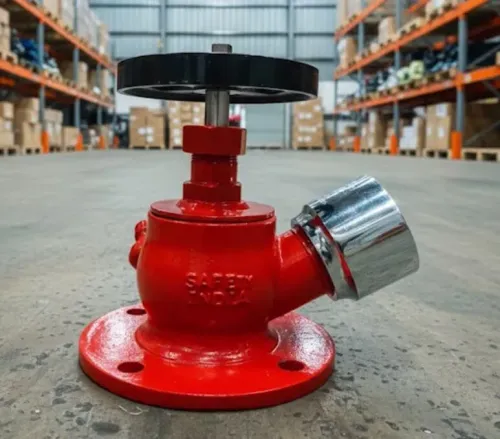
- Landing valves
- Hose reels
- Control valves
- Fire brigade connections
When activated, the system supplies pressurized water to designated firefighting points across the property.
Every Component Supports Emergency Response
Each element has a specific purpose.
Fire Pumps Maintain Water Pressure
Fire pumps ensure water reaches every hydrant outlet with adequate pressure, even in large buildings.
Hydrant Pipelines Deliver Water Across the Premises
A properly designed piping network distributes water efficiently throughout the facility.
Landing Valves Help Firefighters Respond Faster
Landing valves provide convenient access points for connecting firefighting hoses during emergencies.
Hose Reels Support Immediate Action
Hose reels enable trained occupants to begin firefighting before emergency services arrive.
Buildings That Commonly Require a Fire Hydrant System
Hydrant systems are widely installed in:
- Manufacturing facilities
- Warehouses
- Commercial towers
- Hotels
- Hospitals
- Shopping malls
- Residential townships
- Educational institutions
- Logistics parks
The larger the building and fire load, the greater the need for a dependable hydrant system.
Benefits of Installing a Fire Hydrant System
An efficient hydrant system offers several operational advantages.
- Continuous water availability during firefighting
- Faster emergency response
- Better protection for occupants
- Reduced property damage
- Improved business continuity
- Compliance with fire safety requirements
These benefits make hydrant systems an important investment rather than simply a regulatory requirement.
Regular Maintenance Keeps the System Ready
Even the best-designed hydrant system requires periodic inspection.
Routine maintenance should include:
- Pump performance testing
- Water pressure checks
- Valve inspections
- Hose examination
- Leak detection
- Flow testing
- Corrosion assessment
Scheduled servicing helps ensure reliable operation during emergencies.
Common Issues That Affect Performance
Several factors can reduce the effectiveness of a hydrant system.
- Low water pressure
- Damaged valves
- Corroded pipelines
- Blocked outlets
- Inoperative pumps
- Water leakage
- Inadequate maintenance
Identifying these problems early helps prevent equipment failure when it is needed most.
Better Fire Protection Begins With Proper Planning
A fire hydrant system delivers the best results when integrated with fire alarms, sprinkler systems, portable extinguishers, emergency lighting, and well-practised evacuation procedures.
As Mumbai continues to expand with new industrial developments and commercial infrastructure, reliable fire protection systems remain essential for safeguarding people and valuable assets. Organizations such as Safety India Service assist businesses with the design, installation, inspection, and maintenance of hydrant systems that match the specific requirements of different facilities.
A properly maintained fire hydrant system provides confidence that critical firefighting resources will be available whenever an emergency occurs.
Keywords