Every Second Matters During a Fire Emergency
A fire can spread within minutes, leaving very little time for occupants to react. While extinguishers and hydrants help control fires, early detection is equally important. A Fire Alarm Panel acts as the central control unit of a fire detection system, identifying emergencies quickly and alerting occupants before the situation becomes critical.
For commercial buildings, factories, hospitals, hotels, educational institutions, warehouses, and residential complexes across Mumbai, a well-designed fire alarm system supports faster evacuation, reduces property damage, and helps businesses meet fire safety requirements.
Understanding the Role of a Fire Alarm Panel
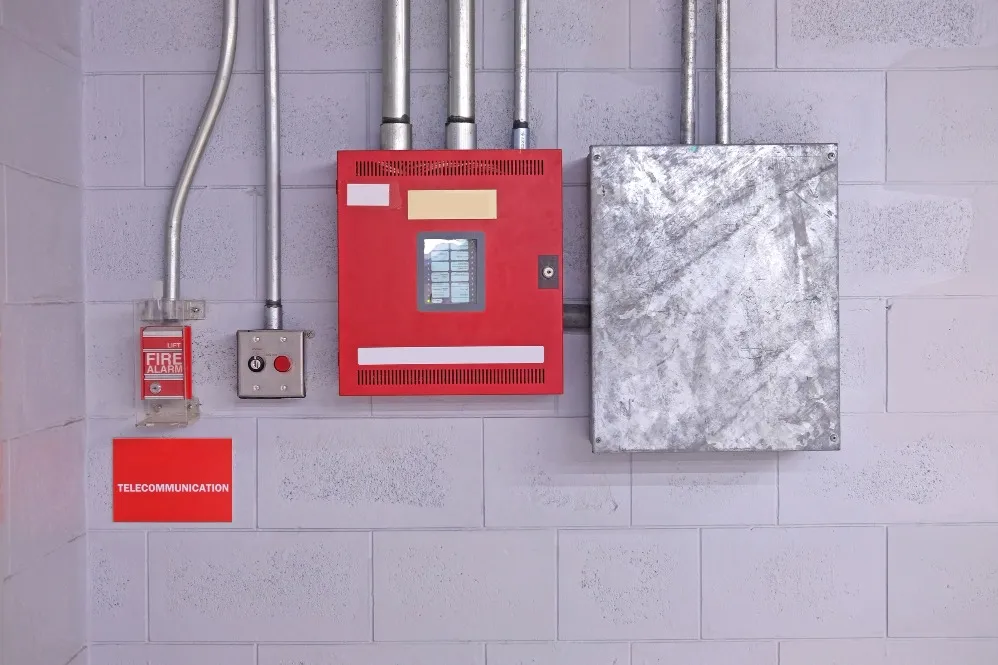
A Fire Alarm Panel receives signals from connected devices installed throughout a building. When smoke, excessive heat, or manual activation is detected, the panel immediately processes the information and activates alarms.
Depending on the system design, it can also trigger additional safety functions such as:
- Audible alarm activation
- Visual warning indicators
- Emergency notifications
- Automatic door release
- Lift recall
- Smoke management systems
- Fire suppression system integration
The panel serves as the command centre for the building's fire detection network.
Major Components That Work Together
A reliable fire alarm system consists of several interconnected components.
Smoke Detectors Improve Early Detection
Smoke detectors identify combustion particles before flames become visible, allowing quicker emergency response.
Heat Detectors Support High-Risk Areas
Heat detectors are commonly installed where dust, steam, or cooking fumes could cause unnecessary smoke detector activation.
Manual Call Points Enable Immediate Reporting
Occupants can manually activate the fire alarm if they discover a fire before automatic detectors respond.
Sounders Help Occupants Evacuate Quickly
Audible alarms notify everyone inside the building that immediate action is required.
Control Panel Coordinates Every Device
The Fire Alarm Panel continuously monitors every connected detector and identifies the exact location of an alarm or fault.
Buildings That Benefit From Fire Alarm Panels
Fire alarm systems are essential across various sectors, including:
- Manufacturing facilities
- Commercial offices
- Shopping malls
- Hospitals
- Hotels
- Educational institutions
- Warehouses
- Residential high-rise buildings
- Government offices
Each building has unique operational risks, making proper system design an important part of fire safety planning.
Advantages of Installing a Fire Alarm Panel
A properly designed system provides several operational benefits.
- Early fire detection
- Faster evacuation
- Reduced risk to occupants
- Improved emergency coordination
- Better protection for valuable assets
- Compliance with fire safety standards
- Reduced business interruption
Early warning often makes the difference between a minor incident and a major loss.
Common Maintenance Mistakes
Even advanced fire alarm systems require regular inspection.
Some common issues include:
- Dirty detectors
- Faulty batteries
- Damaged wiring
- Disabled alarm zones
- Ignored fault notifications
- Lack of periodic testing
Routine maintenance helps ensure the system performs reliably during an actual emergency.
Building Safer Facilities Through Early Detection
A Fire Alarm Panel should be considered an essential safety investment rather than simply a regulatory requirement. When integrated with fire extinguishers, hydrant systems, emergency lighting, and evacuation planning, it creates a comprehensive fire protection strategy.
With Mumbai's growing commercial and industrial infrastructure, businesses are increasingly prioritizing dependable fire detection systems that support operational continuity and occupant safety. Companies such as Safety India Service help organizations design and maintain fire alarm solutions suited to different building types and fire risks.
Early detection saves valuable time, and in fire emergencies, those extra minutes can protect both lives and property.
Keywords