Modern Energy Storage Creates New Fire Challenges
The growing use of lithium-ion batteries has transformed industries ranging from electric vehicles and renewable energy to data centres, manufacturing, healthcare, logistics, and consumer electronics. While these batteries deliver excellent performance, they also introduce fire risks that differ significantly from conventional electrical fires.
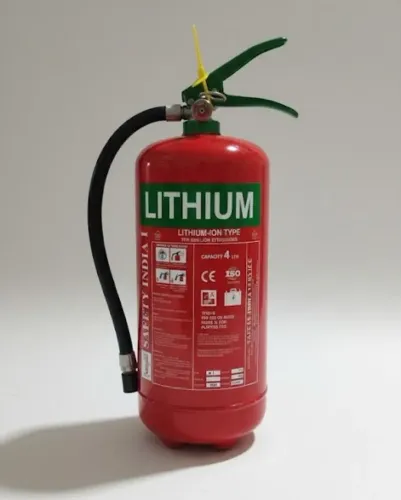
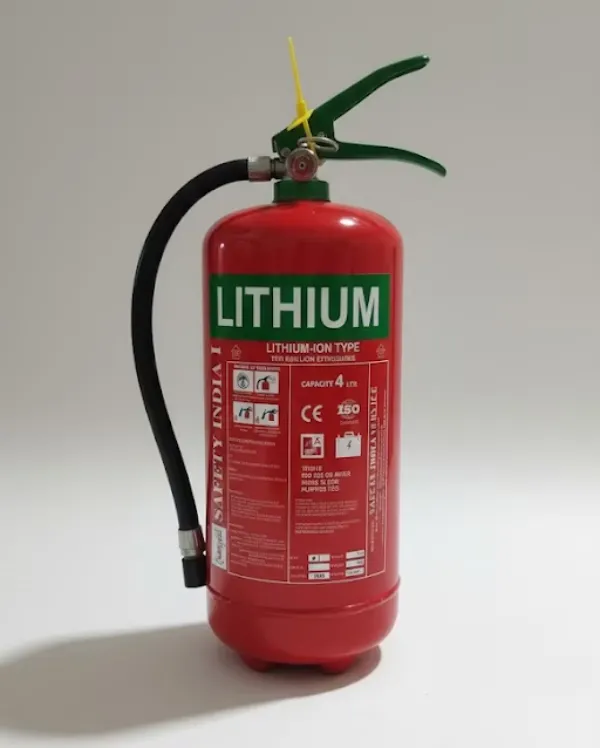
A Lithium-ion Fire Extinguisher is specifically designed to address battery-related fire incidents where standard extinguishers may not provide adequate protection. As battery-powered technologies continue expanding across Mumbai, businesses are increasingly recognizing the importance of specialized fire protection.
Why Lithium-ion Battery Fires Are Different
Lithium-ion batteries can experience a condition known as thermal runaway, where excessive heat triggers a rapid chain reaction inside the battery cells.
This process may result in:
- Extremely high temperatures
- Toxic smoke generation
- Rapid fire spread
- Battery cell explosions
- Re-ignition after initial suppression
Because of these characteristics, battery fires require extinguishing agents specifically developed for lithium-ion technology.
Facilities That Should Consider Lithium-ion Fire Extinguishers
Organizations storing, charging, manufacturing, or servicing lithium-ion batteries should evaluate their fire protection requirements carefully.
Common applications include:
- Electric vehicle charging stations
- Battery storage facilities
- Warehouses
- Manufacturing plants
- Data centres
- UPS rooms
- Solar energy installations
- Electronics production units
- Research laboratories
The level of protection should reflect the quantity and type of batteries present.
Advantages of Specialized Battery Fire Protection
Lithium-ion Fire Extinguishers offer several important benefits.
- Faster response to battery fires
- Improved cooling performance
- Reduced risk of re-ignition
- Better protection for valuable equipment
- Enhanced workplace safety
- Support for battery storage environments
- Greater operational resilience
Using equipment specifically designed for battery hazards significantly improves emergency preparedness.
Factors to Evaluate Before Installation
Every battery installation is different.
Organizations should assess:
- Battery chemistry
- Storage capacity
- Charging locations
- Building occupancy
- Ventilation
- Fire detection systems
- Overall fire risk
A detailed assessment helps identify the most appropriate fire protection strategy.
Routine Maintenance Remains Essential
Like all firefighting equipment, Lithium-ion Fire Extinguishers require periodic servicing.
Maintenance typically includes:
- Pressure inspection
- Cylinder examination
- Agent condition verification
- Hose inspection
- Safety seal checks
- Mounting assessment
- Maintenance documentation
Routine inspections ensure the extinguisher remains ready whenever required.
Battery Fire Safety Requires Multiple Layers
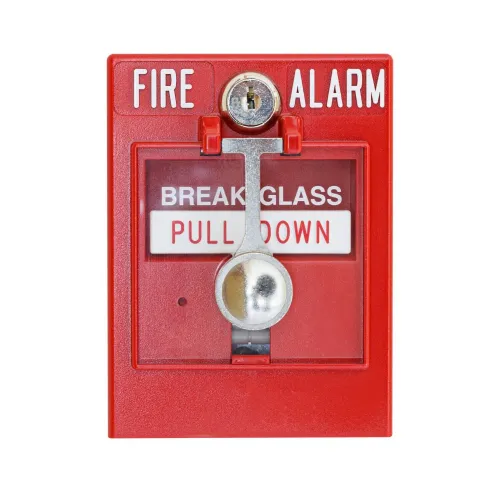
Lithium-ion Fire Extinguishers should complement fire alarm systems, smoke detection, automatic suppression systems, emergency response procedures, and employee training.
With Mumbai experiencing rapid adoption of electric mobility, renewable energy, and battery-powered infrastructure, organizations are investing in specialized fire protection to manage emerging risks. Providers such as Safety India Service assist businesses in evaluating battery hazards and selecting appropriate fire safety solutions for their operations.
Preparing for lithium-ion battery risks today helps organizations protect employees, infrastructure, valuable assets, and business continuity well into the future.
Keywords