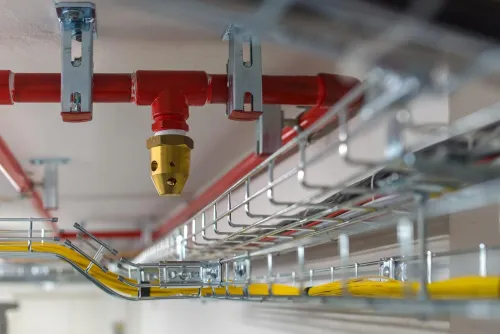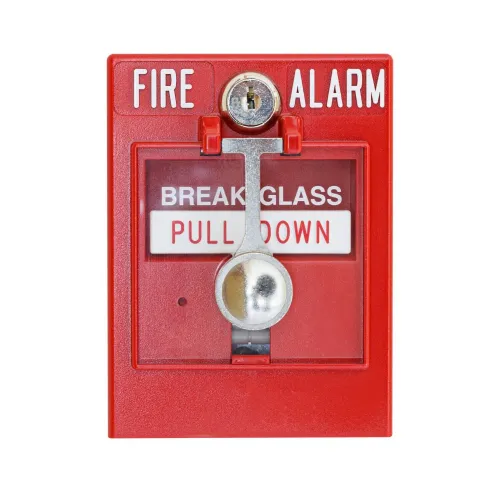
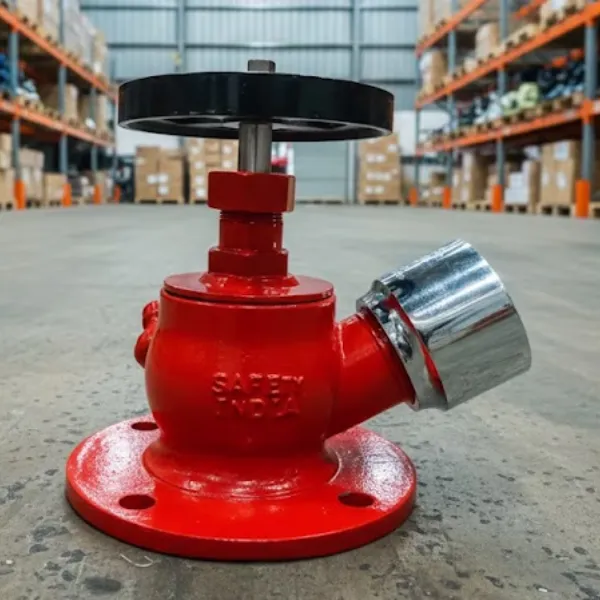
When discussing fire safety systems, attention often focuses on fire extinguishers, sprinklers, and alarm panels. However, every component within a fire hydrant system plays an equally important role. One such component is the Single Hydrant Valve, which serves as the connection point between the fire hydrant pipeline and firefighting hoses during an emergency.
Although relatively compact, a hydrant valve directly influences how efficiently water can be delivered to firefighters or trained personnel. A properly selected and well-maintained valve ensures that water reaches the fire quickly and at the required pressure. For commercial buildings, factories, hospitals, educational institutions, warehouses, and residential complexes in Mumbai and across Maharashtra, understanding the purpose of a single hydrant valve can help improve the effectiveness of an entire fire protection system.
What Is a Single Hydrant Valve?
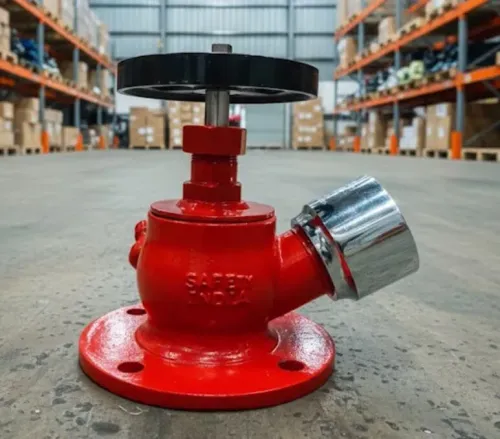
A Single Hydrant Valve is a manually operated valve installed on the fire hydrant pipeline. It allows firefighters or trained building personnel to connect a fire hose and control the flow of water during firefighting operations.
The valve is usually housed inside a fire hydrant cabinet or installed at designated landing points throughout a building. When opened, it supplies water from the building's hydrant network to firefighting hoses, allowing personnel to direct water toward the affected area.
These valves are commonly manufactured using durable materials such as gunmetal or stainless steel to withstand pressure, corrosion, and long-term use.
How Does a Single Hydrant Valve Work?
The operation of a hydrant valve is simple but highly effective.
- A fire hose is securely connected to the hydrant valve outlet.
- The valve is gradually opened using the operating wheel.
- Pressurized water flows from the hydrant pipeline into the hose.
- Firefighters use a nozzle attached to the hose to direct water toward the fire.
- Once the emergency is under control, the valve is closed to stop the water supply.
This straightforward mechanism allows quick deployment during emergency situations, particularly in larger buildings where rapid access to water is essential.
Where Are Single Hydrant Valves Commonly Installed?
Single hydrant valves are widely used in buildings where fire hydrant systems form part of the fire protection infrastructure.
Typical applications include:
- Commercial office buildings
- Manufacturing facilities
- Warehouses
- Shopping malls
- Hospitals
- Hotels
- Educational institutions
- Residential high-rise buildings
- Industrial plants
- Logistics and distribution centres
Their placement is carefully planned to ensure firefighters can access water from multiple locations within the property.
Benefits of a Quality Single Hydrant Valve
Choosing a reliable hydrant valve contributes to the overall performance of the fire protection system.
Some of the key benefits include:
- Quick connection for firefighting hoses
- Controlled water flow during emergencies
- Reliable operation under high pressure
- Long service life with proper maintenance
- Resistance to corrosion and wear
- Improved firefighting efficiency
- Compatibility with standard fire hydrant systems
A well-designed valve also helps reduce the risk of leaks and operational failures during critical situations.
Factors to Consider Before Selecting a Hydrant Valve
Not every hydrant valve is suitable for every installation. Several factors should be evaluated before making a selection.
Important considerations include:
- Operating pressure requirements
- Material quality
- Compliance with relevant fire safety standards
- Ease of operation
- Corrosion resistance
- Compatibility with existing hydrant systems
- Maintenance requirements
- Installation environment
Selecting the right valve helps ensure consistent performance throughout the system's service life.
Common Maintenance Practices
Like other fire protection equipment, hydrant valves require routine inspection to remain dependable.
Maintenance should include:
- Checking for visible corrosion or physical damage
- Inspecting valve operation for smooth opening and closing
- Verifying that connections remain leak-free
- Ensuring hydrant cabinets remain accessible
- Testing water flow during scheduled inspections
- Replacing worn seals or damaged components when necessary
Regular maintenance helps identify minor issues before they affect emergency performance.
Common Mistakes to Avoid
Several common issues can reduce the effectiveness of hydrant valves if left unaddressed.
These include:
- Blocking access to hydrant cabinets
- Delaying routine inspections
- Ignoring minor leaks
- Installing incompatible replacement parts
- Allowing corrosion to develop
- Operating valves without proper training
Routine servicing and periodic testing are essential for ensuring reliable operation.
A Small Component with a Major Responsibility
While a single hydrant valve may appear to be only one part of a much larger fire protection system, it performs a critical function during firefighting operations. Without dependable valves, even a well-designed hydrant network may struggle to deliver water effectively when it is needed most.
Businesses throughout Mumbai continue to strengthen their fire safety infrastructure by maintaining hydrant systems alongside fire alarm panels, extinguishers, sprinklers, and emergency response plans. Ensuring every component functions correctly contributes to a safer workplace and improved emergency preparedness.
Safety India Service provides fire protection equipment and fire safety solutions for commercial, industrial, and institutional facilities. Businesses looking to upgrade or maintain their hydrant systems can also explore additional information about available products and services through safetyindiaservice.com.
Supporting Reliable Fire Safety Infrastructure
A Single Hydrant Valve plays a vital role in delivering water quickly and efficiently during fire emergencies. Selecting the appropriate valve, installing it correctly, and maintaining it through regular inspections all contribute to the effectiveness of a building's fire hydrant system.
Whether protecting an office complex, warehouse, factory, hospital, or residential property in Mumbai or elsewhere in Maharashtra, investing in quality fire protection components helps improve emergency response and supports long-term fire safety objectives.
Keywords