Simple Fire Risks Still Need the Right Protection
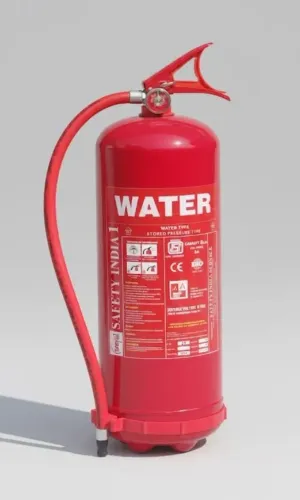
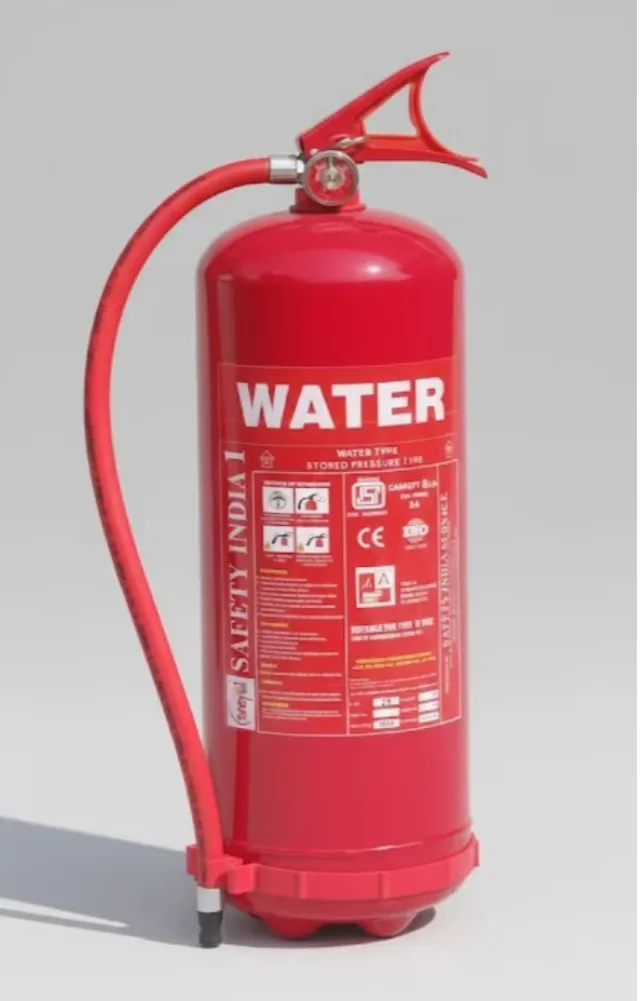
Many people assume that all fire extinguishers perform the same job. In reality, every extinguisher is designed for specific fire hazards. A Water Fire Extinguisher remains one of the most effective solutions for tackling ordinary combustible fires involving materials such as paper, wood, cardboard, fabric, and certain plastics.
Schools, offices, residential societies, hospitals, government buildings, hotels, and commercial establishments throughout Mumbai commonly install water fire extinguishers because these environments contain a significant amount of Class A combustible materials.
Understanding where this extinguisher should be used, and where it should not, helps improve overall fire safety.
Understanding How a Water Fire Extinguisher Controls Fire
A Water Fire Extinguisher works by absorbing heat from burning materials. As the temperature drops, the combustion process slows until the fire is extinguished.
Because water removes heat efficiently, it is highly effective against solid combustible materials. However, it is not suitable for every fire type, making proper risk assessment essential before installation.
Locations Where a Water Fire Extinguisher Performs Best
This extinguisher is ideal for environments where combustible solids are the primary fire risk.
Typical applications include:
- Educational institutions
- Office buildings
- Residential apartments
- Libraries
- Retail stores
- Warehouses storing paper products
- Administrative buildings
These locations often experience fire hazards that respond well to water-based suppression.
Situations Where Water Should Never Be Used
Although highly effective for Class A fires, water can become dangerous when applied to certain hazards.
Avoid using a Water Fire Extinguisher on:
- Electrical equipment
- Flammable liquid fires
- Cooking oil fires
- Chemical fires
- Gas fires
Using water in these situations may spread the fire or create serious electrical hazards.
Benefits That Make Water Fire Extinguishers Popular
Businesses continue using water extinguishers because they offer several advantages.
- Effective cooling action
- Easy operation
- Environmentally friendly extinguishing agent
- Cost-effective maintenance
- Reliable performance for Class A fires
- Suitable for large public buildings
When installed correctly, they provide dependable protection for everyday fire risks.
Selecting the Right Capacity
Several factors influence extinguisher selection.
These include:
- Building occupancy
- Floor area
- Fire load
- Accessibility
- Regulatory requirements
- Evacuation routes
A professional fire risk assessment helps determine the correct number and placement of extinguishers.
Maintenance Keeps Equipment Ready
Regular servicing is essential for dependable operation.
Maintenance typically includes:
- Pressure checks
- Visual inspection
- Hose examination
- Safety seal verification
- Corrosion inspection
- Annual servicing
- Record maintenance
Routine inspections help identify issues before an emergency occurs.
Fire Safety Works Best Through Proper Planning
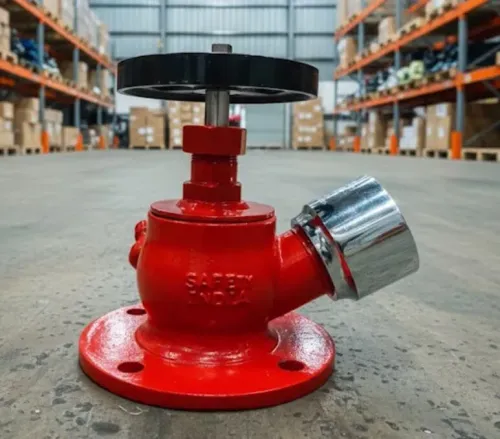
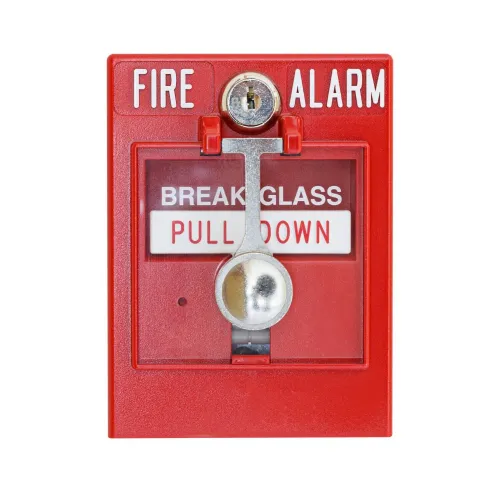
A Water Fire Extinguisher should complement a complete fire protection strategy that includes fire alarm systems, hydrant systems, emergency lighting, evacuation planning, and employee training.
Across Mumbai, commercial and institutional buildings continue strengthening fire preparedness by installing appropriate fire protection equipment based on actual workplace risks. Companies such as Safety India Service assist organizations in selecting suitable extinguishers that align with operational requirements and applicable fire safety standards.
Choosing the correct extinguisher for the right environment improves emergency response while protecting people, property, and business continuity.
Keywords