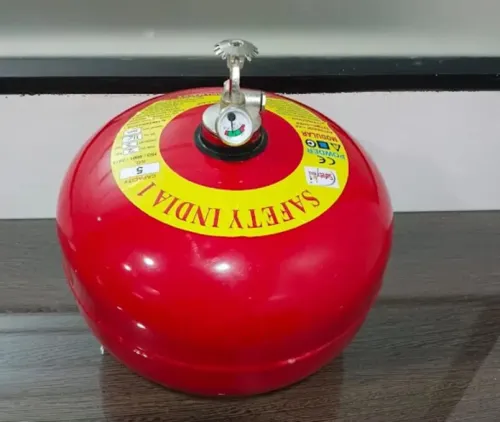
Some environments contain equipment and hazards where rapid fire response is especially important. An Automatic Fire Suppression System is designed to detect and respond to specified fire conditions with limited dependence on manual intervention, depending on the system technology and application.
These systems can be valuable in locations containing sensitive equipment, critical operations, specialised machinery, and other identified risks.
Automatic response addresses a practical challenge
A fire can begin when nobody is standing beside the affected equipment.
Server spaces, electrical areas, machinery enclosures, process equipment, and other technical environments may operate for long periods without continuous direct supervision. An automatic system can provide a designed response when specified activation conditions are met.
The system selected should always correspond to the actual hazard. There is no universal suppression solution suitable for every room, machine, fuel, and application.
Hazard assessment comes before system selection
Choosing suppression technology should begin with a detailed understanding of what is being protected.
Relevant questions can include:
- What materials could burn?
- Is energized electrical equipment present?
- Is the protected area occupied?
- How enclosed is the hazard?
- Could suppression media affect sensitive equipment?
- What environmental conditions exist?
- How quickly could a fire develop?
- What shutdown functions may be required?
- What detection method suits the application?
These questions help designers determine an appropriate protection approach.
Detection and suppression must work together
Automatic suppression depends on more than the extinguishing medium.
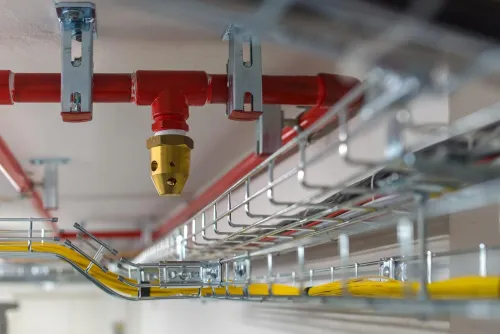
Detection, control equipment, activation mechanisms, piping, nozzles, cylinders, warning arrangements, interfaces, and protected-area characteristics can all influence system performance.
This is why professional design and commissioning matter. A collection of individually suitable components does not automatically create a properly functioning suppression system.
Changes to the protected area can create problems
One frequently overlooked issue is what happens after installation.
A business may add equipment, modify an enclosure, create new openings, change ventilation, rearrange machinery, or alter the materials being handled. Depending on the suppression technology, these changes can affect assumptions made during the original design.
Facilities in Mumbai's manufacturing and commercial sectors often evolve as production and technology requirements change. Fire protection should evolve with them.
Any significant modification to a protected hazard should prompt an appropriate technical review.
Maintenance protects long-term readiness
Automatic systems may remain inactive for years while waiting for an emergency. That does not make them maintenance-free.
Inspection and servicing should cover relevant system components according to manufacturer instructions, system requirements, applicable standards, and the conditions of the site.
Facility managers should also maintain accurate documentation. Records can help track inspections, component changes, faults, cylinder servicing, system modifications, and other relevant activities.
Automatic protection does not replace evacuation planning
The presence of suppression equipment should never create false confidence.
Building occupants still need appropriate alarm arrangements, evacuation procedures, emergency communication, and clear responsibilities. Depending on the site, additional fire protection systems may also be necessary.
For industrial companies, commercial buildings, hospitals, hotels, warehouses, and other organizations across Maharashtra, the key is to view an Automatic Fire Suppression System as a specialised layer within a broader fire safety strategy.
Its value comes from matching the technology to the hazard and maintaining that protection throughout the life of the facility. When risk assessment, system design, installation, commissioning, inspection, maintenance, and emergency planning work together, automatic suppression can provide a purposeful response to risks that demand carefully engineered protection.
Keywords