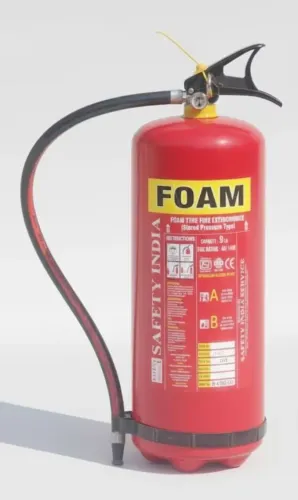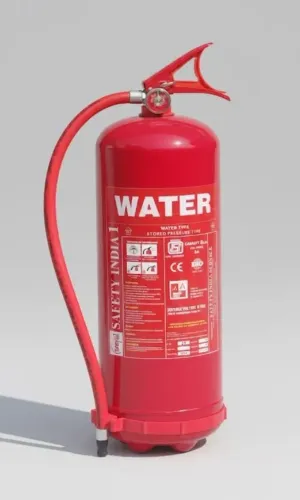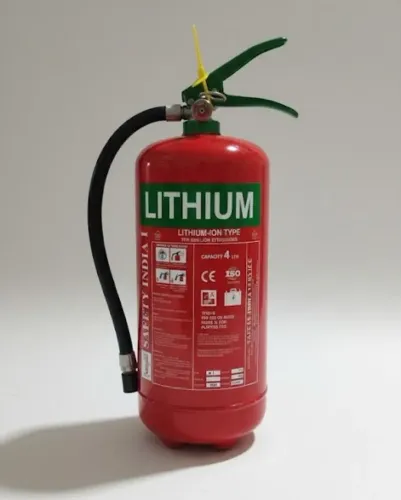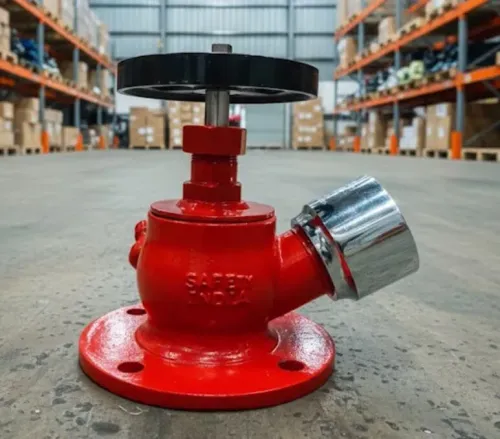
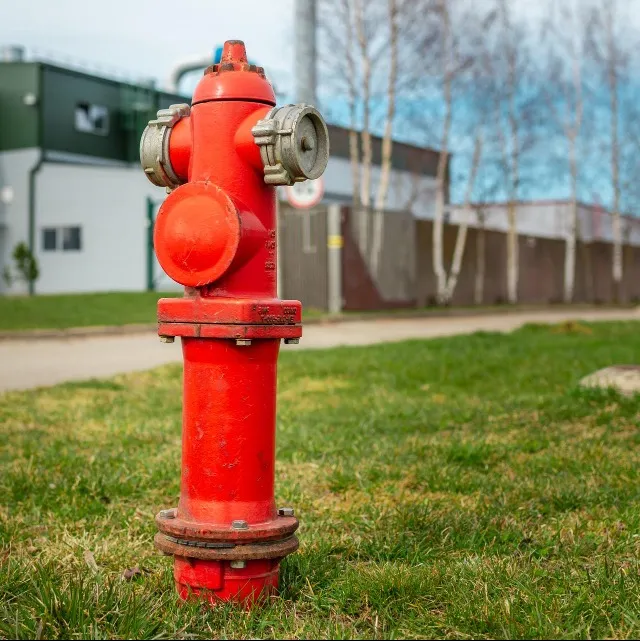
Portable extinguishers play an important role in initial fire response, but larger buildings and industrial premises may require more extensive fixed fire protection infrastructure. A Fire Hydrant System is designed to provide an accessible water supply for firefighting activities through strategically arranged components across a property.
Its effectiveness depends on the complete system working as intended rather than any single component.
A hydrant installation functions as a network
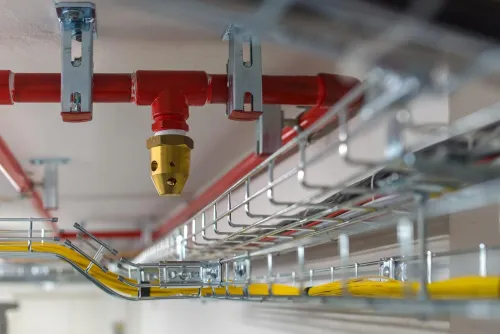
A typical system can involve water storage, pumps, pipework, valves, hydrant points, hose arrangements, and associated controls. The actual configuration depends on the property, risk, design criteria, and applicable requirements.
When these components are properly coordinated, water can be delivered to designated firefighting points within the premises.
This makes system design particularly relevant for factories, warehouses, commercial complexes, hotels, hospitals, institutional buildings, and larger residential developments.
Water availability is only one consideration
It is easy to think that a hydrant system is simply a network of pipes carrying water. In practice, several factors influence performance.
Design professionals may need to consider:
- Property size and layout
- Building height and configuration
- Hazard characteristics
- Water storage arrangements
- Pumping requirements
- Pipe routing
- Hydrant point accessibility
- Operational requirements
- Applicable fire safety provisions
These considerations should be evaluated together. Installing individual components without a coordinated hydraulic and fire protection design can undermine system performance.
Accessibility matters during emergencies
Hydrant points need to remain accessible.
In industrial and warehouse environments, access can gradually become restricted by stored goods, pallets, temporary equipment, parked vehicles, construction material, or operational changes.
Commercial properties can face similar problems when renovations, temporary displays, partitions, or furniture alter access routes.
Routine site inspections should therefore include a practical question: can the relevant firefighting equipment be reached without unnecessary obstruction?
Pumps need ongoing attention
Pumps are critical to many hydrant installations. Equipment that sits ready for emergency operation still requires planned inspection, testing, and maintenance.
Facility managers should ensure that relevant technical personnel check the system according to its design, equipment specifications, maintenance schedule, and applicable requirements.
Simply observing that the installation appears physically intact does not confirm that every component will perform correctly when required.
Site modifications should trigger a review
Mumbai's industrial and commercial properties often change considerably over their operating life. A manufacturing unit may expand production. A warehouse may increase storage density. A building may add floors, modify internal spaces, or change occupancy.
Such changes can affect fire protection assumptions.
When a substantial modification takes place, fire safety arrangements should be reviewed by competent professionals to determine whether existing infrastructure remains suitable.
People remain part of the safety system
Equipment alone cannot replace emergency planning.
Organizations need clearly defined emergency procedures, evacuation arrangements, responsible personnel, and appropriate training. Firefighting equipment should only be operated by people who are expected, competent, and trained to use it under the relevant emergency plan.
Safety India Service works with fire protection requirements for different property categories in Mumbai, where site conditions can vary significantly between industrial facilities, residential developments, institutional properties, and commercial buildings.
For organizations across Maharashtra, a Fire Hydrant System is best understood as long-term safety infrastructure. Its reliability depends on appropriate design, compatible components, professional installation, commissioning, accessibility, periodic testing, and disciplined maintenance.
When those elements are considered together, the system becomes a meaningful part of the property's overall fire protection strategy rather than simply another installation within the building.
Keywords