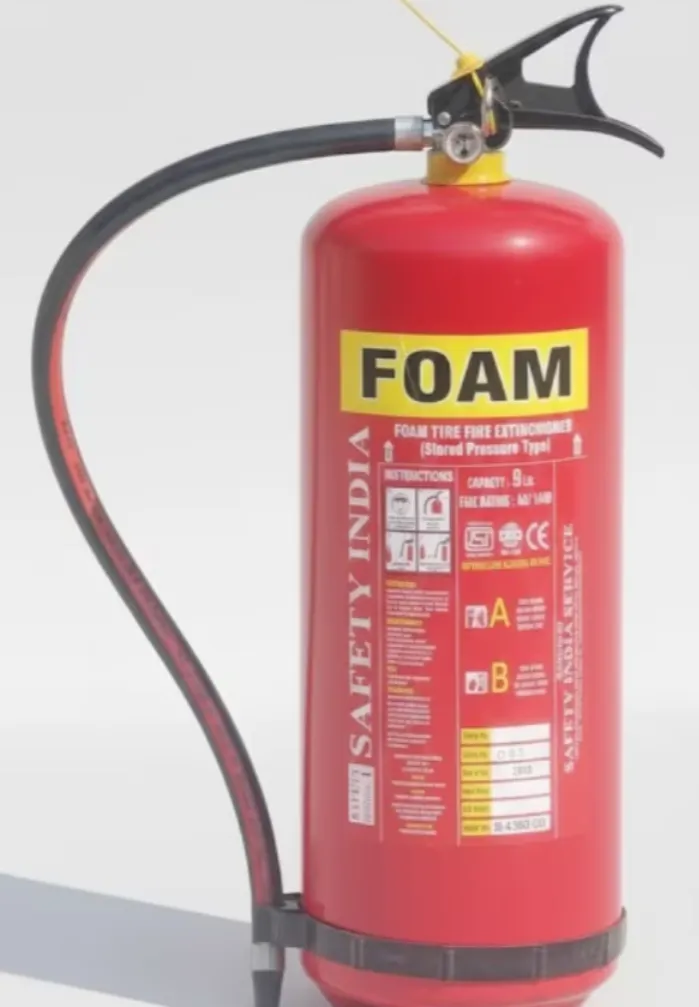
Every workplace and commercial property faces different fire risks, which is why selecting the right fire extinguisher is essential. While water extinguishers are effective for ordinary combustible materials and CO₂ extinguishers are commonly used for electrical equipment, a Foam Fire Extinguisher offers a versatile solution for locations where both solid materials and flammable liquids are present.
Foam extinguishers are widely used across offices, warehouses, factories, retail establishments, petrol storage areas, and commercial facilities because they can quickly suppress certain types of fires while reducing the risk of reignition. Understanding where foam extinguishers should be installed—and where they should not be used—helps businesses strengthen their overall fire protection strategy.
With commercial and industrial development continuing across Mumbai and Maharashtra, many organizations are reviewing their fire safety arrangements to ensure they have the right equipment for different fire hazards.
What Is a Foam Fire Extinguisher?
A Foam Fire Extinguisher contains a specially formulated foam solution that works by cooling burning materials while forming a protective blanket over the fuel surface. This foam layer helps separate the fuel from oxygen, slowing combustion and reducing the possibility of the fire flaring up again.
Unlike plain water, foam is particularly effective for fires involving flammable liquids because it prevents vapours from escaping and feeding the flames.
Which Fires Can a Foam Fire Extinguisher Handle?
Foam extinguishers are generally suitable for:
Class A Fires
These involve ordinary combustible materials such as:
- Wood
- Paper
- Cardboard
- Cloth
- Furniture
Class B Fires
These include fires involving flammable liquids such as:
- Petrol
- Diesel
- Paints
- Solvents
- Oils used in industrial applications
Because foam addresses both cooling and oxygen separation, it provides broader protection than water alone for these fire classes.
Where Are Foam Fire Extinguishers Commonly Installed?
Foam extinguishers are often selected for environments where flammable liquids are stored or handled alongside ordinary combustible materials.
Typical applications include:
- Commercial office buildings
- Warehouses
- Manufacturing units
- Workshops
- Retail outlets
- Fuel storage facilities
- Automotive service centres
- Loading and unloading areas
- Chemical processing facilities
- Industrial plants
Their versatility makes them a valuable addition to many commercial fire protection plans.
Advantages of Foam Fire Extinguishers
Foam extinguishers continue to be widely used because they provide several practical benefits.
Some of the key advantages include:
- Effective on both Class A and certain Class B fires
- Rapid cooling of burning materials
- Helps prevent reignition of flammable liquid fires
- Easy to operate during emergencies
- Suitable for a wide range of commercial applications
- Supports early-stage fire control before emergency responders arrive
When installed in the correct locations, foam extinguishers help improve overall fire preparedness.
When Should a Foam Fire Extinguisher Not Be Used?
Although foam extinguishers are versatile, they are not suitable for every fire hazard.
They should generally not be used on:
- Live electrical equipment unless specifically designed and approved for that purpose
- Fires involving combustible metals
- Cooking oil or deep-fat fryer fires
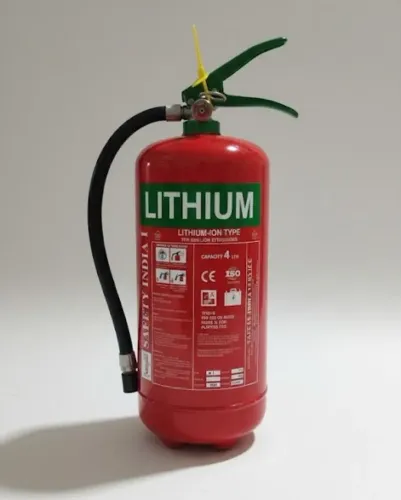
- Lithium-ion battery fires requiring specialised extinguishing agents
Selecting the appropriate extinguisher should always be based on a thorough fire risk assessment.
Best Practices for Installation and Maintenance
To ensure reliable performance, foam extinguishers should be installed and maintained correctly.
Recommended practices include:
- Position extinguishers in clearly visible and accessible locations.
- Install them near identified fire hazards.
- Conduct regular inspections according to maintenance schedules.
- Replace damaged or expired extinguishers promptly.
- Train employees on correct extinguisher selection and operation.
- Ensure extinguisher signage remains clearly visible.
Routine maintenance helps ensure equipment remains operational when needed.
Common Mistakes Businesses Should Avoid
Many organizations unknowingly reduce the effectiveness of their fire safety equipment through avoidable mistakes.
Common examples include:
- Installing only one type of extinguisher throughout the building
- Using foam extinguishers for unsuitable fire classes
- Blocking access with furniture or stored materials
- Ignoring periodic servicing requirements
- Failing to update fire safety equipment as business operations change
Regular reviews of fire hazards help ensure that extinguisher placement remains appropriate as facilities evolve.
Fire Safety Requires Multiple Layers of Protection
A Foam Fire Extinguisher performs best as part of a comprehensive fire safety strategy rather than as a standalone solution.
An effective fire protection system may also include:
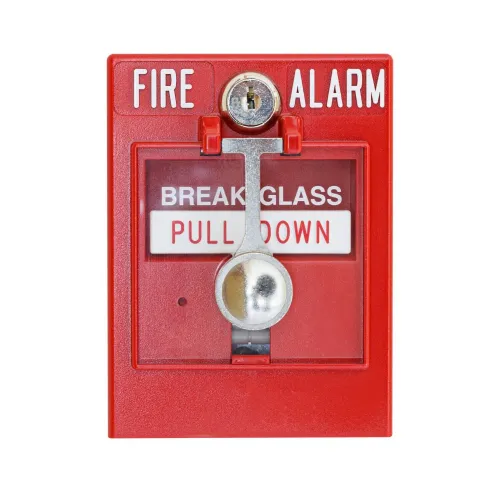
- Fire alarm systems
- Smoke detectors
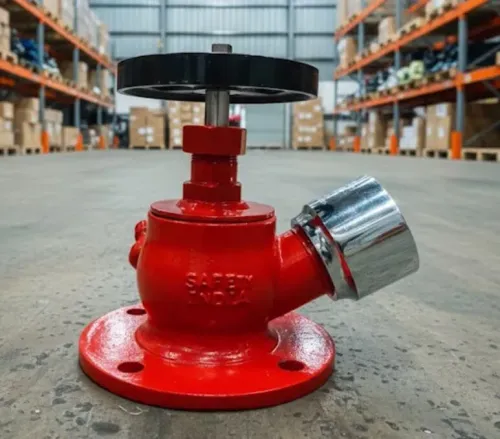
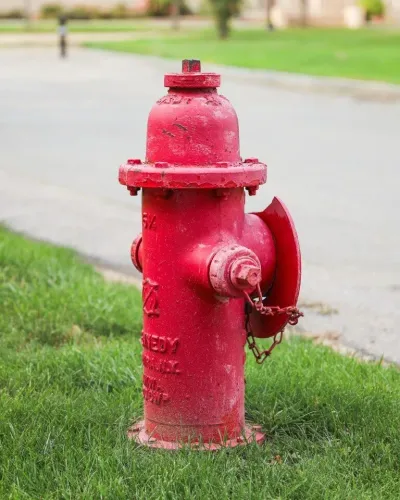
- Fire hydrant systems
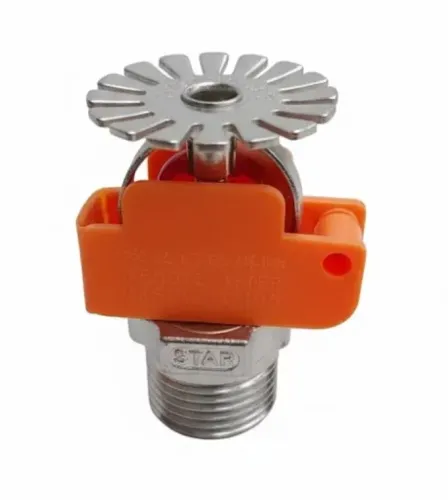
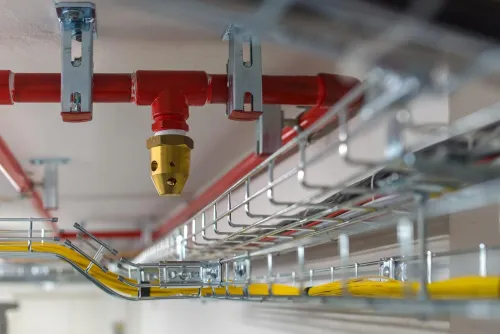
- Automatic sprinkler systems
- Emergency lighting
- Evacuation planning
- Staff fire safety training
Each element contributes to faster detection, improved emergency response, and enhanced occupant safety.
Businesses throughout Mumbai continue to strengthen their fire protection infrastructure by selecting equipment that matches their operational risks. Safety India Service provides a range of fire safety products and integrated solutions for commercial, industrial, and institutional properties. Businesses interested in learning more about fire extinguishers and related fire protection systems can also explore safetyindiaservice.com.
Choosing the Right Fire Extinguisher for Long-Term Safety
A Foam Fire Extinguisher offers dependable protection for many common workplace fire hazards, particularly where flammable liquids and combustible materials are present. However, like every fire extinguisher, it is most effective when selected for the correct application and maintained regularly.
Whether protecting an office, warehouse, manufacturing facility, retail outlet, or commercial building in Mumbai or elsewhere in Maharashtra, investing in suitable fire safety equipment helps improve emergency preparedness, supports regulatory compliance, and contributes to a safer working environment.
Keywords