Every Building Faces Different Fire Risks
A fire extinguisher is one of the most important pieces of fire safety equipment in any building, but choosing the correct type is just as important as installing one. Different fire hazards require different extinguishing agents, and using the wrong extinguisher can increase the danger instead of controlling it.
From factories and warehouses to offices, hospitals, schools, hotels, and residential societies across Mumbai, selecting the right fire extinguisher helps reduce damage, protect occupants, and support compliance with fire safety regulations.
Understanding Fire Classes Before Making a Choice
Not every fire behaves the same way. Fire hazards are grouped into different classes depending on the material involved.
- Class A includes paper, wood, cloth, and plastic.
- Class B covers flammable liquids such as petrol, diesel, paints, and solvents.
- Class C relates to combustible gases including LPG and CNG.
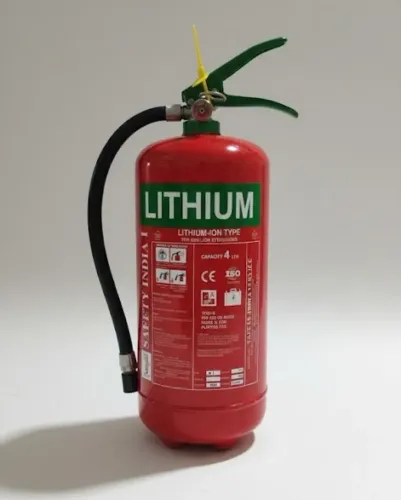
- Electrical fires involve energized equipment like switchboards, control panels, and servers.
- Kitchen fires involve cooking oils and fats commonly found in commercial kitchens.
Identifying the likely fire hazards within your premises is the first step toward selecting the appropriate extinguisher.
Different Fire Extinguisher Types Serve Different Purposes
No single extinguisher is suitable for every environment.
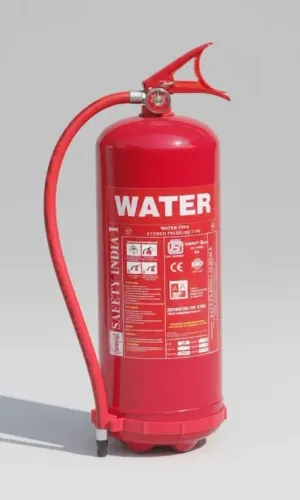
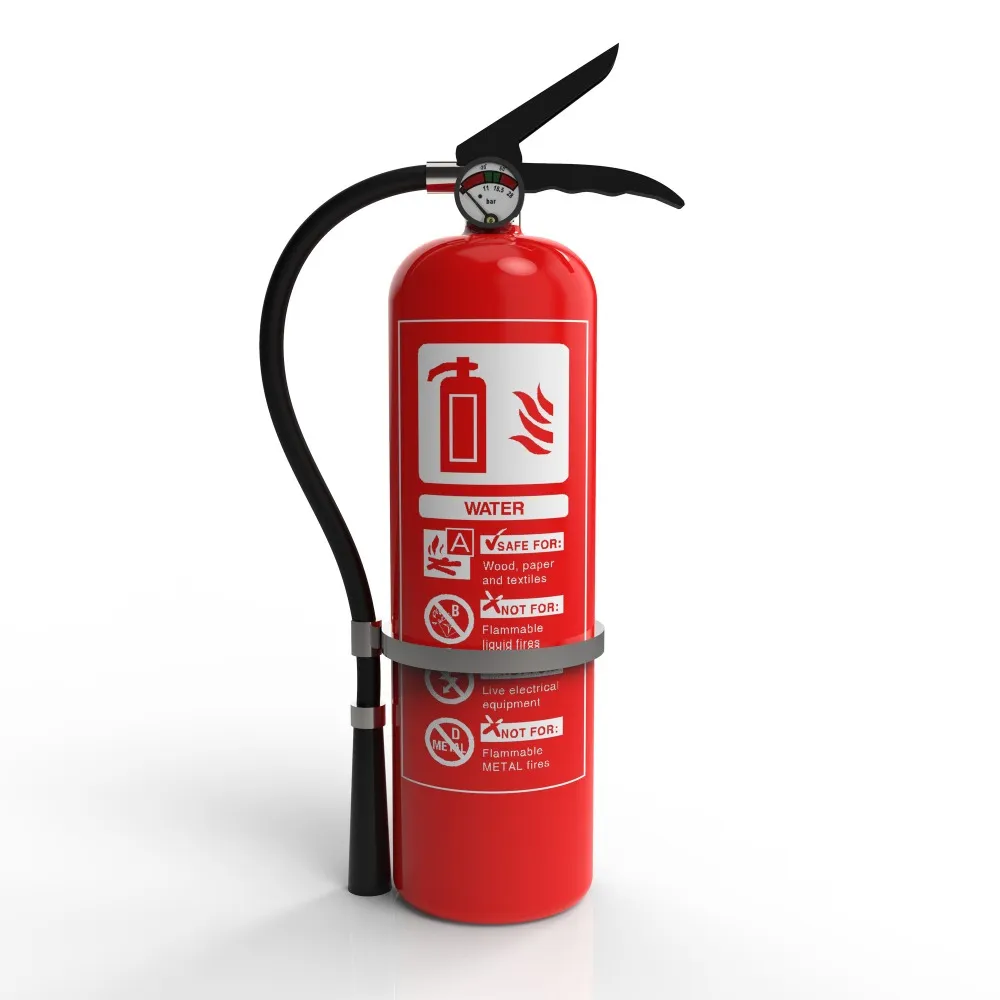
Water Fire Extinguisher Works Best for Ordinary Combustibles
Water extinguishers are effective for paper, wood, fabric, and similar materials. They are commonly installed in schools, offices, and residential buildings but should never be used on electrical installations or flammable liquids.
Foam Fire Extinguisher Helps Control Liquid Fires
Foam creates a protective blanket over burning liquids while cooling the surface. It is widely used in warehouses, fuel storage areas, parking facilities, and industrial premises.
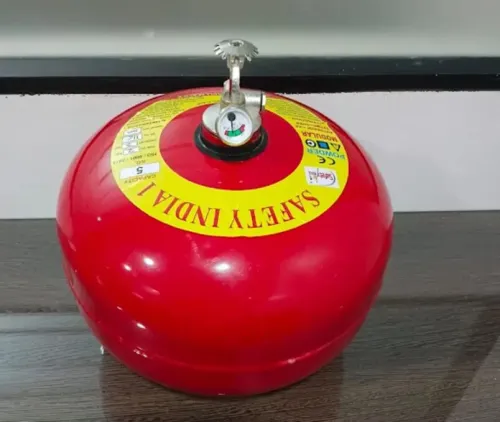
ABC Fire Extinguishers Offer Multi Purpose Protection
ABC extinguishers are among the most widely used because they can tackle several common fire classes, making them suitable for commercial buildings, factories, hotels, and retail spaces.
CO₂ Fire Extinguisher Protects Sensitive Electrical Equipment
Carbon dioxide extinguishers leave no residue after discharge, making them ideal for server rooms, laboratories, electrical panels, and IT facilities.
Important Factors Before Installing a Fire Extinguisher
The right choice depends on several practical considerations.
- Nature of business operations
- Type of combustible materials present
- Electrical equipment installed
- Occupancy level
- Accessibility during emergencies
- Maintenance requirements
- Applicable fire safety regulations
Conducting a proper fire risk assessment helps ensure every area receives suitable protection.
Mistakes That Reduce Fire Safety
Many organizations unknowingly compromise safety by making avoidable mistakes.
- Installing the same extinguisher throughout the building
- Blocking access to extinguishers
- Ignoring annual inspections
- Keeping expired equipment in service
- Failing to train employees in extinguisher operation
Regular maintenance and employee awareness are just as important as installation.
Fire Preparedness Extends Beyond Equipment
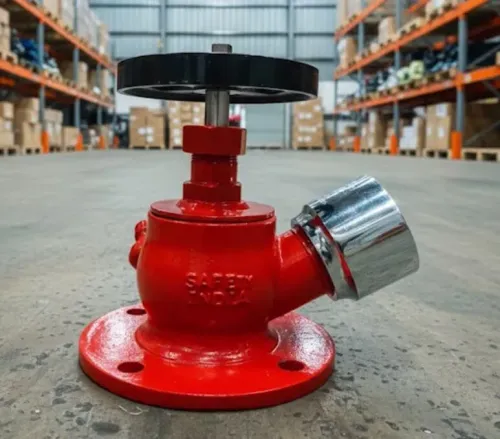
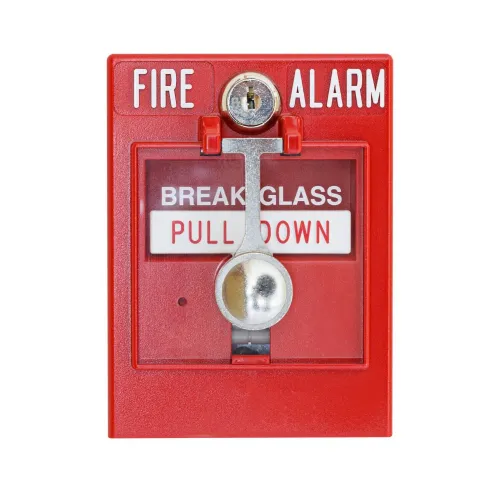
A fire extinguisher is most effective when combined with a complete fire safety strategy that includes alarms, hydrants, emergency exits, evacuation plans, and routine inspections.
For businesses operating in Mumbai, where commercial buildings and industrial facilities must meet established fire safety standards, selecting appropriate fire protection equipment contributes to safer operations and improved emergency readiness.
Companies such as Safety India Service support organizations by helping identify suitable fire extinguishing solutions based on actual operational risks rather than relying on a standard approach. Choosing the correct fire extinguisher today can make a significant difference in protecting people, property, and business continuity when every second counts.
Keywords