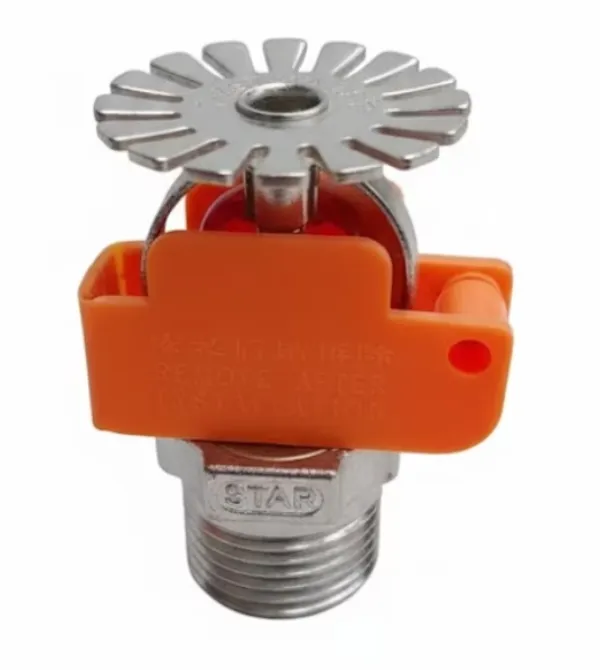
Automatic sprinkler systems are widely used as part of building fire protection, but the visible sprinkler head is only one component within a carefully designed system. A Pendent Sprinkler typically extends downward from pipework and is selected according to the requirements of the protected area and the overall sprinkler design.
For property owners, contractors, builders, and facility managers, understanding the selection factors can help prevent purchasing decisions based solely on appearance or price.
Start with the protected environment
The first question should be where the sprinkler will be installed.
Commercial offices, warehouses, hotels, hospitals, residential buildings, schools, and industrial facilities can have significantly different hazards and ceiling arrangements.
Design considerations can include occupancy, combustible load, ceiling height, storage conditions, temperature, obstructions, system type, and the fire protection design criteria applicable to the property.
The sprinkler should therefore be selected as part of an engineered system rather than treated as an independent fitting.
Check technical compatibility
Products that look similar externally may have different technical characteristics.
Depending on the application, selection may involve parameters such as:
- Temperature rating
- Response characteristics
- Discharge characteristics
- Thread connection
- Finish
- Listed application
- Installation orientation
- Compatibility with the system design
These details should match the approved design and technical specifications.
Substituting a sprinkler based merely on physical similarity can create inconsistencies within the intended protection arrangement.
Ceiling conditions need careful attention
A sprinkler's ability to distribute water can be influenced by its surroundings.
Lighting fixtures, beams, ducts, partitions, storage, decorative elements, and other obstructions can affect the environment around sprinkler locations. This is particularly relevant in commercial interiors where ceilings are frequently modified after the initial fire protection installation.
Mumbai offices and retail spaces often undergo fit-outs when tenants change. Fire protection layouts should be reviewed as part of these modifications rather than left untouched simply because the sprinkler pipework already exists.
Avoid careless painting and decoration
During interior renovation, sprinklers can accidentally be painted, coated, damaged, covered, or obstructed.
Such alterations can interfere with components designed for fire protection. Contractors and maintenance teams should treat installed sprinklers as safety equipment and protect them appropriately during renovation work.
Any sprinkler that appears damaged, contaminated, altered, or questionable should be assessed by competent fire protection personnel.
Installation quality matters as much as product quality
Even a correctly specified sprinkler requires proper installation.
Pipe alignment, fittings, sprinkler positioning, physical protection, cleanliness, and system commissioning all contribute to the final installation.
For builders and contractors, choosing products without considering installation expertise can create avoidable rework and compliance concerns later in the project.
Include inspection in long-term facility management
Sprinkler systems are often largely out of sight after commissioning. That makes planned inspection particularly valuable.
Facility teams should look for visible damage, obstruction, leakage, unauthorized alterations, and changes in the protected area. Formal inspection and maintenance should follow relevant system requirements and applicable standards.
If a room changes from general office use to storage, for example, the existing sprinkler arrangement should not automatically be assumed to remain suitable.
Evaluate suppliers on technical support
When sourcing a Pendent Sprinkler in Maharashtra, price should be only one part of the evaluation. Buyers should also consider product documentation, specification accuracy, quality, application suitability, and access to knowledgeable technical support.
A dependable supplier should be able to discuss the product within the context of the wider fire protection system rather than presenting every sprinkler as interchangeable.
The right selection ultimately comes from connecting the component to the hazard, system design, ceiling conditions, installation requirements, and ongoing maintenance plan. That approach gives builders and facility managers a much stronger basis for purchasing decisions and helps preserve the integrity of the complete sprinkler installation.
Keywords