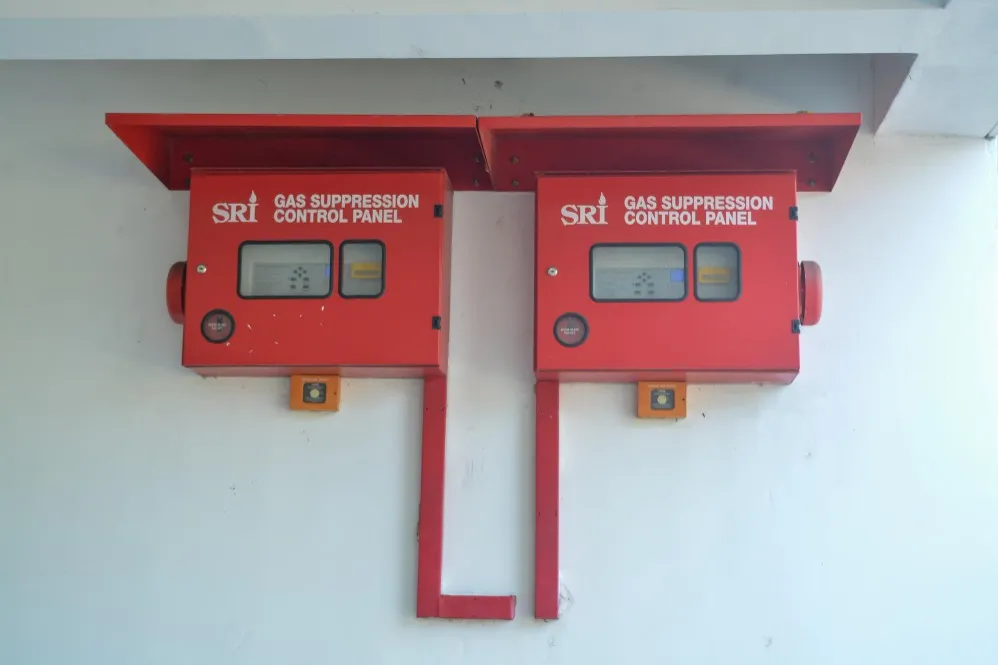
Early detection and communication can significantly influence how effectively people respond to a fire emergency. A Fire Alarm Panel serves as a central component of many fire detection and alarm systems, receiving information from connected devices and helping indicate where an alarm, fault, or system event has occurred.
Understanding what the panel does can help building owners and facility teams make better decisions about fire detection planning.
The panel acts as a central control point
A fire alarm system can include smoke detectors, heat detectors, manual call points, notification devices, interfaces, and other components depending on the design. The control panel monitors relevant inputs and processes signals from connected devices.
When an alarm condition is detected, the system can initiate programmed responses such as activating audible and visual notification devices. The exact functionality depends on the system design and connected equipment.
For a large commercial property in Mumbai, identifying the affected area quickly can be particularly useful when multiple floors, departments, rooms, corridors, and service spaces are involved.
Different properties create different detection needs
A small office and a hospital do not present identical operational conditions.
Hospitals may require carefully planned systems because occupants can include patients who need assistance during evacuation. Hotels contain sleeping accommodation and numerous guest areas. Schools require clear notification across classrooms and common spaces. Manufacturing facilities may contain machinery, electrical installations, heat-generating processes, and specialised hazards.
A suitable fire alarm arrangement therefore begins with understanding the building rather than selecting equipment solely from a catalogue.
Panel information supports quicker investigation
One useful function of a properly designed alarm system is helping responsible personnel understand what the system is reporting.
Depending on the system, the panel may indicate information related to an alarm condition, fault, device, zone, power issue, or other monitored event.
This can help trained personnel investigate and respond according to established emergency procedures.
Clear labelling is equally important. If zones, areas, and devices are poorly identified, valuable time can be lost interpreting the information displayed during an incident.
Regular testing keeps the system meaningful
A fire detection system is installed for emergencies that everyone hopes never occur. That makes planned testing and maintenance essential.
Facility teams should establish appropriate routines covering the panel and connected system components. Maintenance requirements depend on system design, manufacturer recommendations, applicable standards, and site conditions.
Records are useful because they create visibility into recurring faults, previous maintenance, component replacements, testing history, and unresolved issues.
Repeated fault indications should not simply become background noise. They can indicate that the system needs technical attention.
Building changes can affect system effectiveness
Renovations frequently change the environment that a fire alarm system was originally designed to protect.
New partitions may divide previously open spaces. Rooms may change purpose. Additional equipment may be installed. Warehouses may alter storage arrangements. Offices may expand into previously unused areas.
After significant changes, reviewing the fire detection arrangement can help determine whether devices, zones, programming, and notification coverage still suit the premises.
Integration requires professional planning
Modern fire alarm systems can form part of a wider building safety arrangement. Depending on the project, interfaces may be required with other systems and emergency functions.
These relationships should be properly designed, installed, commissioned, and maintained rather than improvised.
For property managers, builders, contractors, and industrial organizations in Maharashtra, the Fire Alarm Panel should be viewed as part of a complete detection and response strategy. A thoughtfully designed system gives occupants and responsible teams meaningful warning while helping them follow established emergency procedures.
Good fire detection is ultimately about more than installing devices. It requires appropriate design, dependable equipment, correct installation, clear identification, routine testing, maintenance, and a response plan that people understand.
Keywords