Fire extinguishers are one of the first lines of defence during a fire emergency, but choosing the correct type is just as important as having one readily available. A common misconception is that water can extinguish every type of fire. In reality, using water on certain fires can make the situation far more dangerous.
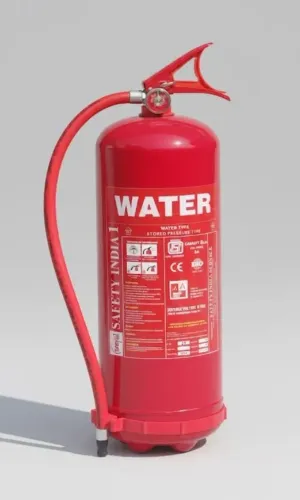
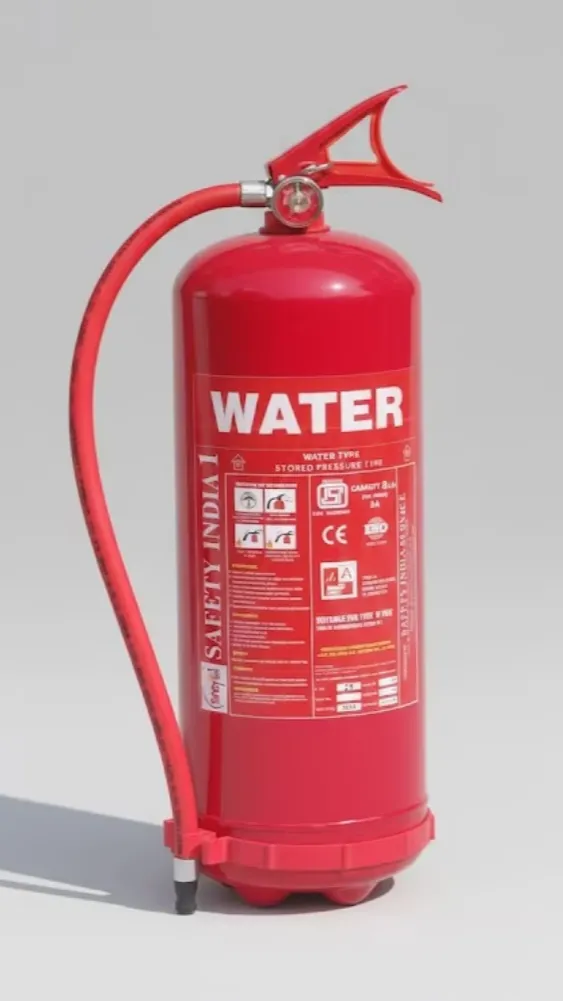
A Water Fire Extinguisher remains one of the most widely used fire safety devices because it is highly effective for specific fire classes involving ordinary combustible materials. However, it should only be used where appropriate and never as a universal solution.
Whether you manage a commercial office, educational institution, residential property, warehouse, or industrial facility in Mumbai or elsewhere in Maharashtra, understanding where water extinguishers are most effective can help improve emergency preparedness and workplace safety.
What Is a Water Fire Extinguisher?
A Water Fire Extinguisher is designed to extinguish fires by cooling burning materials below their ignition temperature. The stream of water absorbs heat from the fire, helping stop combustion and preventing flames from spreading further.
Because water is an effective cooling agent, these extinguishers are particularly suitable for fires involving ordinary combustible materials, often referred to as Class A fires.
They are among the simplest and most economical fire extinguishers used in buildings where combustible solids are the primary fire risk.
What Types of Fires Can a Water Fire Extinguisher Handle?
Water extinguishers are intended for fires involving materials such as:
- Paper
- Cardboard
- Wood
- Cloth
- Furniture
- Packaging materials
- Certain plastics that behave as ordinary combustibles
These materials burn by producing heat and flames that can be effectively cooled with water.
For offices, schools, libraries, residential buildings, and administrative areas, water extinguishers often provide suitable protection when combined with other fire safety equipment.
When Should You Never Use a Water Fire Extinguisher?
Although highly effective for Class A fires, water extinguishers are unsafe for several other fire types.
They should not be used on:
Electrical Fires
Water conducts electricity and may increase the risk of electric shock when applied to energized electrical equipment.
Flammable Liquid Fires
Petrol, diesel, solvents, paints, and similar liquids can spread when water is applied, allowing the fire to expand rapidly.
Cooking Oil and Fat Fires
Applying water to burning cooking oil may cause violent splashing, significantly increasing the danger.
Metal Fires
Certain combustible metals react with water, potentially worsening the fire or creating hazardous conditions.
For these hazards, specialized extinguishers should always be selected based on the specific fire risks present.
Where Are Water Fire Extinguishers Commonly Installed?
Water extinguishers are frequently found in locations where ordinary combustible materials are the primary concern.
Typical applications include:
- Schools and colleges
- Office buildings
- Libraries
- Residential apartments
- Retail stores
- Hotels
- Community halls
- Warehouses storing paper products
- Government buildings
- Administrative facilities
These locations often combine water extinguishers with other extinguisher types to provide comprehensive fire protection.
Advantages of Water Fire Extinguishers
Water extinguishers continue to be widely used because they offer several practical benefits.
Some of their advantages include:
- Effective cooling action
- Simple operation
- Environmentally friendly extinguishing medium
- Cost-effective fire protection
- Suitable for common combustible materials
- Easy maintenance
- Reliable performance when used correctly
When matched to the appropriate fire hazards, water extinguishers remain an essential part of many fire safety plans.
Common Mistakes to Avoid
Many fire safety incidents occur because people use the wrong extinguisher for the situation.
Some common mistakes include:
- Using water on live electrical equipment
- Attempting to extinguish fuel fires with water
- Ignoring extinguisher identification labels
- Failing to inspect extinguishers regularly
- Blocking access to fire safety equipment
- Not training employees or occupants in extinguisher use
Regular fire safety training helps occupants recognize which extinguisher should be used during different types of emergencies.
Choosing the Right Fire Extinguisher for Your Building
Every property has unique fire risks depending on its activities, equipment, and occupancy.
Before selecting fire extinguishers, consider:
- Types of combustible materials present
- Electrical installations
- Storage of flammable liquids
- Building occupancy
- Applicable fire safety regulations
- Emergency response planning
Many buildings require multiple types of extinguishers to ensure suitable protection across different fire hazards.
Businesses throughout Mumbai frequently review their fire safety infrastructure as operations expand or workplace risks change. Choosing the appropriate extinguisher for each area contributes to better emergency preparedness.
Safety India Service offers a wide range of fire safety equipment for commercial, industrial, institutional, and residential applications. Businesses seeking guidance on extinguisher selection or integrated fire protection systems can also explore additional information through safetyindiaservice.com.
Building a Safer Environment Through Proper Fire Protection
A Water Fire Extinguisher remains one of the most effective tools for controlling fires involving ordinary combustible materials. However, understanding its limitations is equally important. Using the correct extinguisher for the correct type of fire helps protect people, property, and business operations while reducing unnecessary risks.
Whether managing an office, educational institution, warehouse, residential building, or commercial property in Mumbai or across Maharashtra, selecting appropriate fire safety equipment and maintaining it regularly forms the foundation of a reliable fire protection strategy.
Keywords