A Small Component Carries a Big Responsibility
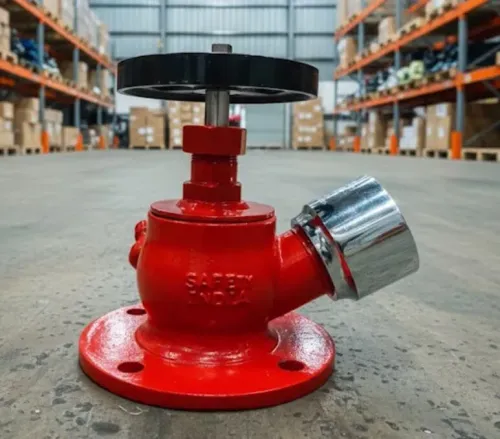
When discussing fire protection systems, attention often focuses on fire pumps, hydrant pipelines, and alarm systems. However, one component that plays an equally important role is the Single Hydrant Valve. It provides firefighters with a controlled connection point to access pressurized water during an emergency, making it an essential part of every fire hydrant network.
Commercial buildings, manufacturing plants, warehouses, hospitals, hotels, educational campuses, residential towers, and industrial facilities across Mumbai depend on properly installed hydrant valves to support effective firefighting operations.
Although compact in size, the performance of a hydrant valve can directly influence emergency response when every second matters.
Understanding the Function of a Single Hydrant Valve
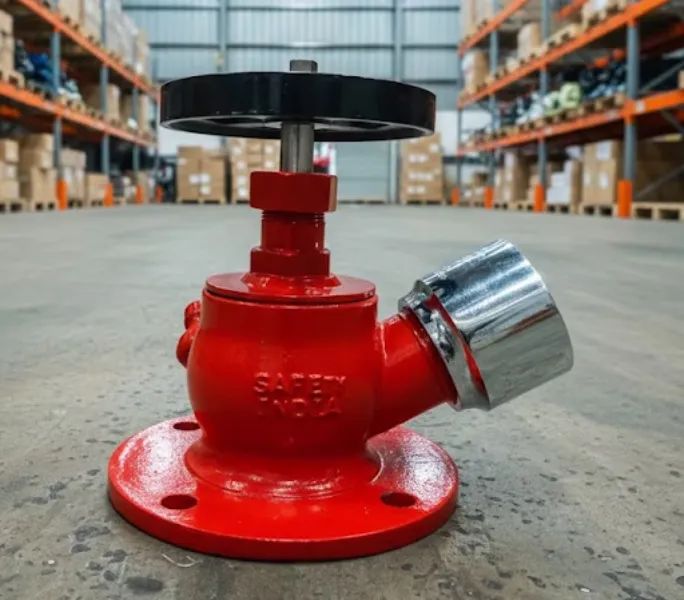
A Single Hydrant Valve is installed on the fire hydrant pipeline and serves as the outlet where firefighting hoses are connected.
During a fire emergency, firefighters connect their hoses to the valve, open the water supply, and direct pressurized water toward the affected area.
Because hydrant systems are expected to operate under demanding conditions, the valve must provide reliable water flow without leakage or mechanical failure.
Buildings That Commonly Install Single Hydrant Valves
Single Hydrant Valves are widely used across different industries.
Typical applications include:
- Manufacturing facilities
- Warehouses
- Commercial office buildings
- Shopping malls
- Hospitals
- Hotels
- Educational institutions
- Residential complexes
- Government buildings
- Industrial plants
The number of valves installed depends on the building size, occupancy, and fire protection design.
Features That Support Dependable Fire Protection
A quality Single Hydrant Valve offers several practical advantages.
- Reliable water delivery
- Durable metal construction
- Smooth operating mechanism
- High-pressure performance
- Long service life
- Easy hose connection
- Minimal maintenance requirements
These features contribute to faster emergency response and dependable hydrant system operation.
Selecting the Right Single Hydrant Valve
Choosing the appropriate valve involves evaluating multiple factors.
Important considerations include:
- Working pressure
- Pipe compatibility
- Material quality
- Compliance with applicable standards
- Corrosion resistance
- Ease of maintenance
- Installation environment
Professional system design helps ensure every component works efficiently together.
Maintenance Improves Operational Readiness
Routine inspections should include:
- Valve operation testing
- Leakage inspection
- Corrosion assessment
- Thread condition verification
- Pressure testing
- Lubrication where required
- Maintenance record updates
Preventive servicing reduces the likelihood of unexpected equipment failure during emergencies.
Common Issues That Affect Hydrant Valves
Several maintenance-related problems can reduce valve performance.
These include:
- Corrosion
- Damaged threads
- Leakage
- Stiff operating mechanisms
- Blocked outlets
- Mechanical wear
- Poor maintenance practices
Regular inspections help identify these issues before they compromise firefighting operations.
Reliable Fire Protection Depends on Every Component
A Single Hydrant Valve performs best when supported by properly maintained fire pumps, hydrant pipelines, landing valves, fire alarm systems, and emergency response procedures.
As Mumbai continues to develop larger commercial and industrial facilities, dependable hydrant infrastructure remains an important part of fire safety planning. Companies such as Safety India Service assist organizations in selecting and maintaining hydrant system components that support long-term reliability and regulatory compliance.
Even the smallest components contribute significantly to overall fire protection, making regular inspection and proper selection essential for every facility.
Keywords