


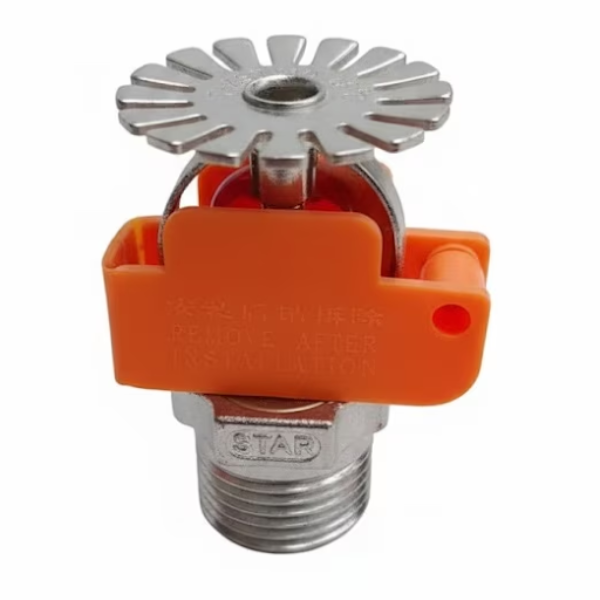
Fire sprinkler systems are among the most effective methods of controlling a fire before it spreads throughout a building. They operate automatically when exposed to heat, helping contain flames during the critical early stages of an emergency. While many people are familiar with sprinkler systems, fewer understand that different sprinkler heads are designed for different environments.
Two of the most commonly used options are Pendent Sprinklers and sidewall sprinklers. Although both serve the same purpose, they differ in installation, water distribution, and ideal applications. Understanding these differences helps architects, builders, facility managers, and business owners select the right solution for their property.
With commercial and industrial infrastructure continuing to expand across Mumbai and Maharashtra, choosing suitable fire protection equipment has become an important part of modern building planning.
What Is a Pendent Sprinkler?
A Pendent Sprinkler is a ceiling-mounted sprinkler head designed to hang downward from the piping system. It distributes water in a circular pattern beneath the sprinkler, making it one of the most widely used sprinkler types for commercial and industrial buildings.
When the surrounding temperature reaches the sprinkler's activation point, the heat-sensitive element breaks, allowing water to flow over the deflector plate. The deflector spreads water evenly across the protected area to help suppress or control the fire.
Because of their reliable coverage and versatile installation, pendent sprinklers are commonly specified in fire protection system designs.
What Is a Sidewall Sprinkler?
A sidewall sprinkler is installed along a wall rather than on the ceiling. Instead of distributing water in all directions, it projects water outward and downward across the protected space.
Sidewall sprinklers are often selected when ceiling installation is impractical or when the architectural design limits the placement of ceiling-mounted sprinkler heads.
They are frequently used in:
- Hotel rooms
- Corridors
- Residential apartments
- Small offices
- Healthcare facilities
- Renovated buildings
Pendent Sprinkler vs Sidewall Sprinkler
Although both sprinkler types automatically respond to fire, their applications differ significantly.
Installation
Pendent Sprinkler
- Mounted on the ceiling
- Connected directly to overhead piping
- Suitable for open ceiling layouts
Sidewall Sprinkler
- Mounted along the wall
- Useful where ceiling piping is difficult
- Common in finished architectural spaces
Water Distribution
Pendent sprinklers distribute water uniformly beneath the sprinkler head, providing broad coverage across larger floor areas.
Sidewall sprinklers project water outward from one side, making them better suited for narrower spaces and smaller rooms.
Typical Applications
Pendent sprinklers are widely installed in:
- Warehouses
- Manufacturing facilities
- Shopping malls
- Office buildings
- Educational institutions
- Parking structures
Sidewall sprinklers are more commonly found in:
- Hotels
- Residential buildings
- Hospital patient rooms
- Hallways
- Renovated commercial spaces
Advantages of Pendent Sprinklers
Many engineers and fire protection consultants prefer pendent sprinklers because they offer several practical advantages.
These include:
- Wide water distribution
- Effective protection for large open spaces
- Reliable performance
- Flexible system design
- Compatibility with various commercial applications
- Easy integration into automatic sprinkler systems
For buildings with larger floor plates, pendent sprinklers often provide more uniform fire coverage.
Factors to Consider Before Choosing
Selecting between pendent and sidewall sprinklers depends on several building-specific factors.
These include:
- Ceiling height
- Room dimensions
- Building occupancy
- Architectural layout
- Fire risk assessment
- Existing piping arrangement
- Applicable fire safety standards
Rather than selecting a sprinkler based solely on appearance or installation convenience, it is important to evaluate the building's fire protection requirements as a whole.
Common Mistakes During Sprinkler Planning
Fire sprinkler performance depends not only on the sprinkler head itself but also on proper system design.
Some common mistakes include:
- Installing the wrong sprinkler type for the room layout
- Blocking sprinkler discharge with furniture or partitions
- Ignoring required spacing between sprinkler heads
- Delaying routine inspections
- Failing to replace damaged or corroded sprinkler heads
- Modifying ceiling layouts without reviewing sprinkler coverage
Regular inspection and maintenance help ensure that sprinkler systems remain fully operational throughout their service life.
Sprinklers Are Part of a Complete Fire Protection Strategy
Automatic sprinklers work best when integrated with other fire safety systems, including fire alarm panels, smoke detectors, fire extinguishers, hydrant systems, and emergency evacuation procedures.
Many commercial and industrial facilities in Mumbai continue to upgrade their fire protection infrastructure to meet evolving operational requirements and improve overall safety.
Safety India Service provides fire safety equipment and integrated fire protection solutions for businesses across multiple industries. Information about sprinkler systems and other fire safety products is also available through safetyindiaservice.com for organizations planning new installations or upgrading existing systems.
Making the Right Choice for Your Building
Both pendent sprinklers and sidewall sprinklers play an important role in modern fire protection, but neither is universally better. The right choice depends on the building's layout, occupancy, fire hazards, and system design.
For commercial offices, manufacturing facilities, hospitals, warehouses, hotels, and residential developments across Mumbai and Maharashtra, consulting experienced fire protection professionals helps ensure that the selected sprinkler system delivers reliable performance while supporting long-term fire safety objectives.


