Lithium-ion batteries power many of the devices people use every day, from smartphones and laptops to electric vehicles, power tools, energy storage systems, and industrial equipment. While these batteries offer excellent performance and efficiency, they also introduce a unique fire risk. Conventional fire extinguishers are not always effective against lithium-ion battery fires, making specialized Lithium-ion Fire Extinguishers an increasingly important part of modern fire safety.
As electric mobility, renewable energy systems, and battery-powered equipment continue to grow across Mumbai and Maharashtra, businesses and institutions are reassessing their fire protection strategies to address these emerging hazards. Understanding how lithium-ion battery fires behave and why dedicated extinguishers are necessary can help organizations improve workplace safety.
Why Are Lithium-ion Battery Fires Different?
Unlike ordinary combustible materials, lithium-ion batteries can experience a phenomenon known as thermal runaway. This occurs when excessive heat, mechanical damage, manufacturing defects, or electrical faults trigger a rapid increase in temperature inside the battery.
Once thermal runaway begins, the battery may:
- Release flammable gases
- Produce intense heat
- Reignite even after the visible flames are extinguished
- Spread fire to nearby battery cells
- Generate dense smoke and hazardous fumes
Because of these characteristics, battery fires require firefighting methods that differ from those used for paper, wood, or electrical equipment.
What Is a Lithium-ion Fire Extinguisher?
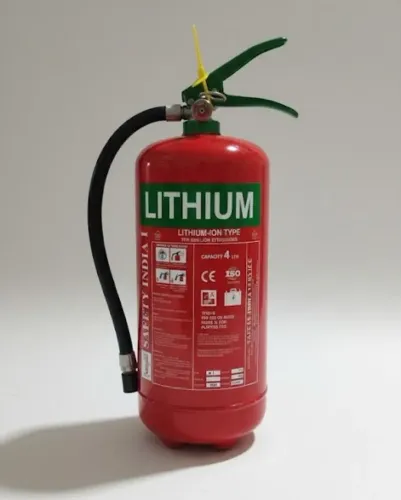
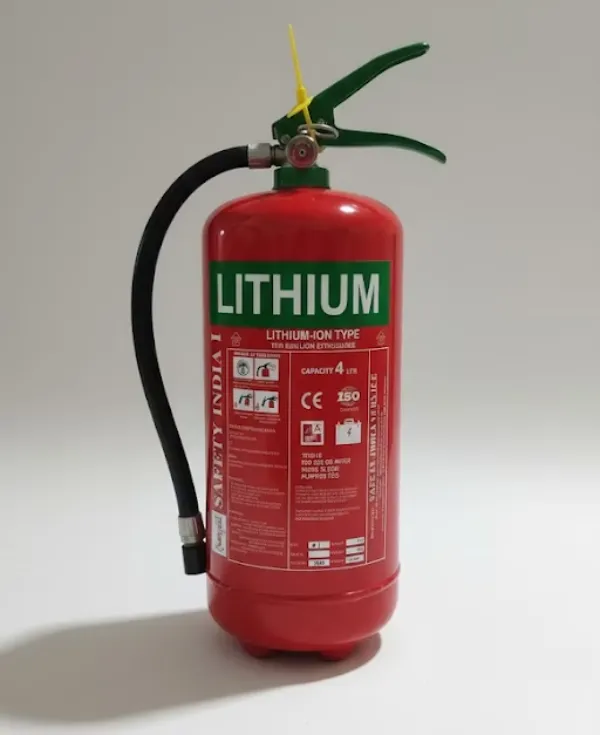
A Lithium-ion Fire Extinguisher is specifically designed to help control fires involving rechargeable lithium-ion batteries. Depending on the extinguisher type, it may contain specialised extinguishing agents that cool the battery, suppress flames, and reduce the likelihood of re-ignition.
Unlike general-purpose extinguishers, these models are developed with the unique behaviour of lithium-ion batteries in mind, making them suitable for environments where battery-powered devices are regularly used or stored.
Where Are Lithium-ion Fire Extinguishers Commonly Needed?
As battery technology becomes more widespread, specialised extinguishers are being installed in a growing number of locations.
Common applications include:
- Electric vehicle charging stations
- Battery storage rooms
- Warehouses handling battery products
- Electronics manufacturing facilities
- Data centres
- Solar energy storage installations
- Research laboratories
- IT equipment rooms
- Service centres for electric vehicles
- Commercial buildings using battery backup systems
Businesses that regularly charge, repair, transport, or store lithium-ion batteries should evaluate whether specialised fire protection is appropriate for their operations.
Benefits of Using the Right Fire Extinguisher
Selecting a fire extinguisher designed for lithium-ion battery hazards offers several important advantages.
These include:
- Faster response to battery fires
- Improved cooling of overheated battery cells
- Reduced likelihood of re-ignition
- Better protection for surrounding equipment
- Enhanced workplace safety
- Support for modern fire risk management
- Greater confidence when handling battery-related emergencies
While no extinguisher can eliminate every risk, using equipment designed for the hazard improves emergency preparedness.
Fire Prevention Is Just as Important
Preventing lithium-ion battery fires begins long before an emergency occurs.
Some recommended safety practices include:
- Use manufacturer-approved chargers.
- Avoid overcharging batteries.
- Replace damaged or swollen batteries promptly.
- Store batteries in suitable environmental conditions.
- Keep charging areas well ventilated.
- Inspect battery storage areas regularly.
- Follow safe handling procedures during transportation.
Good battery management significantly reduces the likelihood of fire incidents.
Common Mistakes to Avoid
As lithium-ion technology becomes more common, several mistakes continue to increase fire risks.
These include:
- Charging damaged batteries
- Using incompatible chargers
- Storing batteries near combustible materials
- Ignoring signs of overheating
- Using unsuitable extinguishers for battery fires
- Failing to train employees on battery fire response
Employee awareness is an essential part of battery fire safety planning.
Integrating Battery Fire Protection into Overall Fire Safety
Battery fire protection should be considered alongside other fire safety measures rather than as a standalone solution.
A comprehensive strategy may include:
- Fire alarm systems
- Smoke detection
- Automatic fire suppression systems
- Portable fire extinguishers
- Emergency response procedures
- Staff training
- Safe battery storage practices
- Lithium-ion fire extinguishers where appropriate
This layered approach helps improve overall workplace resilience.
Choosing the Right Fire Safety Equipment
Every facility has unique operational requirements. The number of batteries stored, charging practices, building layout, and potential fire hazards all influence the selection of suitable fire protection equipment.
As businesses throughout Mumbai adopt electric vehicles, renewable energy systems, and battery-powered technologies, specialised fire safety solutions are becoming increasingly relevant. Evaluating fire risks regularly helps organizations stay prepared as technology evolves.
Safety India Service offers fire safety equipment for commercial, industrial, and institutional environments, including solutions for emerging fire hazards. Businesses seeking additional information about battery fire protection products and integrated fire safety systems can also visit safetyindiaservice.com.
Keywords