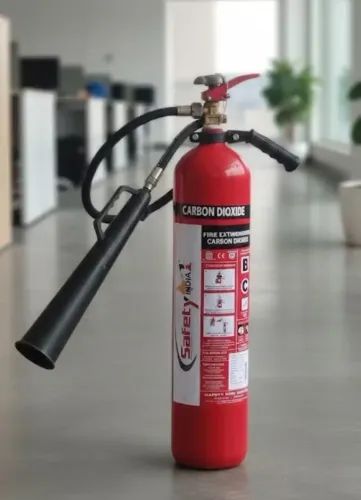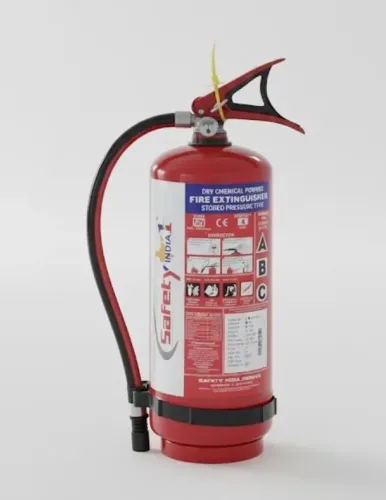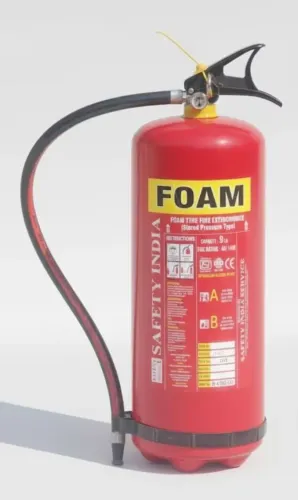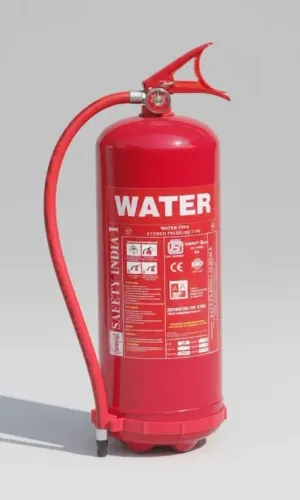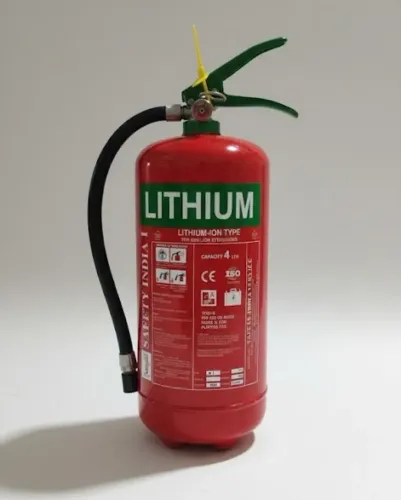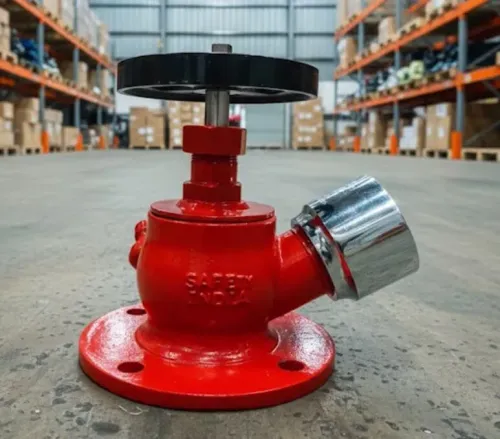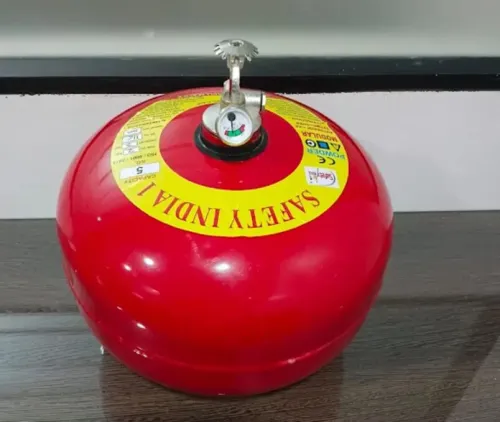
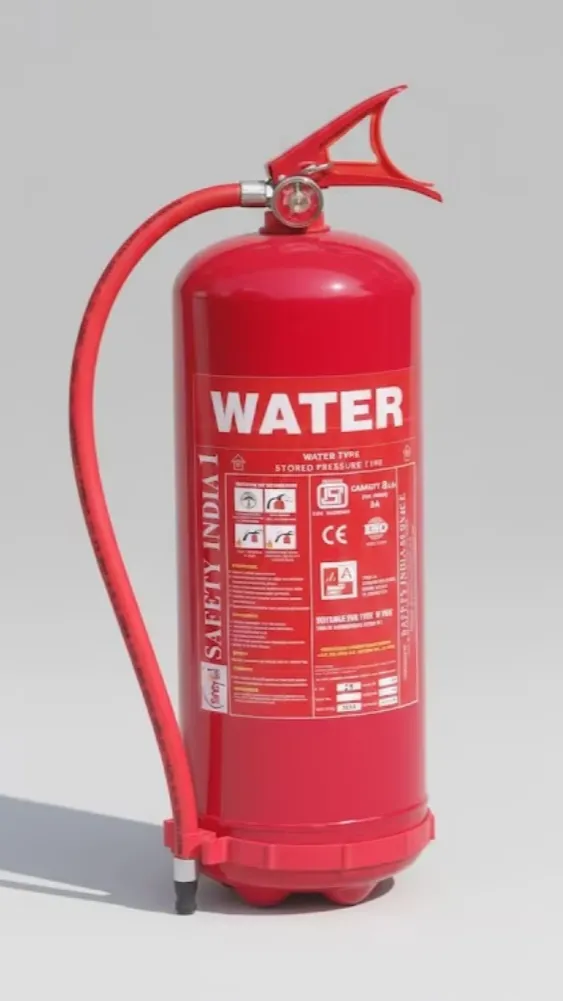
A Water Fire Extinguisher can be a practical solution for appropriate fires involving ordinary combustible materials, but it should never be purchased simply because water is familiar and easy to understand. Fire extinguisher selection needs to reflect the materials present, the potential ignition sources, and the operating conditions within the premises.
For schools, offices, residential properties, warehouses, commercial buildings, and institutional facilities, a few checks before purchase can prevent unsuitable equipment choices.
Confirm the fire risk first
Water extinguishers are primarily associated with fires involving common solid combustible materials such as paper, wood, and certain textiles.
That makes them potentially relevant in environments where these materials represent a significant part of the fire load.
However, the surrounding hazards matter. Traditional water extinguishers are not intended for use on energized electrical equipment and can be unsuitable for other fire types. The exact product instructions and rating should always be followed.
A proper site assessment should therefore come before procurement.
Review each area independently
A building rarely has identical hazards in every room.
A school, for example, may have classrooms containing paper and furniture, computer areas containing electrical equipment, laboratories with different hazards, and utility spaces with specialised installations.
Similarly, a commercial building may contain offices, electrical rooms, parking areas, storage spaces, and food preparation areas.
Using the same extinguisher type everywhere without assessing these differences can leave gaps in protection.
Check product information carefully
Once the hazard has been assessed, buyers should compare products using more than capacity and price.
Important purchasing considerations can include:
- Fire rating
- Capacity
- Construction quality
- Operating mechanism
- Required certification
- Manufacturer information
- Installation requirements
- Inspection needs
- Refill and servicing support
Clear operating instructions and reliable product identification are also valuable for ongoing facility management.
Plan suitable locations
Portable extinguishers need to be accessible and positioned according to the fire safety plan and applicable requirements.
The selected locations should make practical sense for occupants while avoiding unnecessary obstruction.
For facilities in Mumbai, space limitations can sometimes lead to safety equipment being squeezed behind furniture, doors, stored materials, or temporary fixtures. A regular walkthrough can reveal whether previously suitable locations have become obstructed.
Include maintenance in procurement
Buying fire extinguishers creates an ongoing responsibility.
Inspection and servicing help identify issues such as physical damage, missing seals, corrosion, inaccessible equipment, and maintenance requirements. The appropriate servicing process depends on the extinguisher and applicable requirements.
A provider's ability to support the equipment after installation can therefore be an important selection criterion.
Safety India Service works with organizations seeking fire safety equipment and protection solutions across Mumbai. For procurement teams, discussing the actual site environment can be more useful than requesting a generic quantity of extinguishers without hazard information.
Review protection after property changes
Renovation, expansion, new machinery, changes in storage, and altered room usage can change the fire risk profile.
A room that once contained mainly paper records could later become an electrical equipment area. A lightly stocked space may become dense storage. Existing extinguisher arrangements should be reviewed when such changes occur.
For businesses and institutions across Maharashtra, buying a Water Fire Extinguisher should be a risk-based decision. The right process includes understanding combustible materials, identifying incompatible hazards, checking equipment specifications, planning accessible placement, and arranging ongoing maintenance.
That approach turns a simple equipment purchase into a more dependable part of the property's overall fire safety programme.
Keywords