Liquid Fire Hazards Demand Specialized Protection
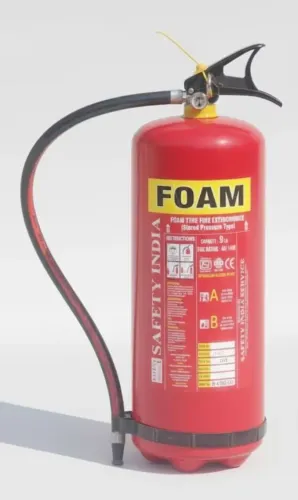
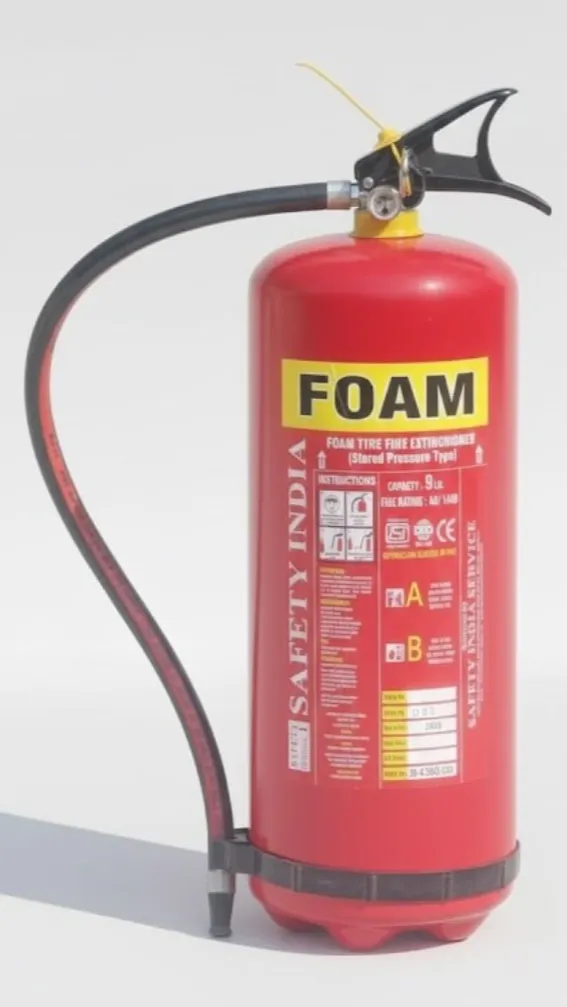
Not every fire can be controlled using water alone. Facilities that store or handle petrol, diesel, paints, lubricants, chemicals, solvents, and similar flammable liquids require fire protection equipment specifically designed for these risks. A Foam Fire Extinguisher is developed to tackle Class B fires by rapidly controlling flames while preventing reignition.
Factories, warehouses, fuel storage facilities, workshops, airports, commercial buildings, and manufacturing plants throughout Mumbai rely on foam extinguishers to strengthen workplace fire safety.
Understanding How a Foam Fire Extinguisher Works
A Foam Fire Extinguisher combines cooling with oxygen separation.
When discharged, the foam spreads across the burning liquid, creating a protective blanket that blocks oxygen while simultaneously reducing heat.
This dual action allows the extinguisher to suppress fires efficiently without allowing flames to spread across the liquid surface.
Industries That Commonly Install Foam Fire Extinguishers
Foam extinguishers are suitable for many industrial environments.
Common applications include:
- Fuel storage areas
- Automobile workshops
- Chemical processing plants
- Logistics centres
- Warehouses
- Manufacturing units
- Paint storage facilities
- Commercial garages
Selecting the correct extinguisher depends on the specific fire hazards present within each facility.
Advantages That Support Better Fire Protection
Foam extinguishers offer several operational benefits.
- Effective control of flammable liquid fires
- Reduced risk of fire spreading
- Fast cooling action
- Protection against reignition
- Easy operation
- Reliable industrial performance
- Suitable for Class A combustible materials in many situations
These advantages make foam extinguishers a preferred solution where liquid fuels are regularly handled.
Situations Where Foam Should Not Be Used
Despite their versatility, foam extinguishers have limitations.
They should not be used on:
- Energized electrical equipment
- Cooking oil fires
- Reactive chemical fires
- Metal fires
Using the appropriate extinguisher for each hazard remains essential for safe firefighting.
Important Factors Before Installation
Organizations should evaluate several considerations before selecting a Foam Fire Extinguisher.
These include:
- Type of flammable liquids
- Storage quantity
- Building layout
- Ventilation conditions
- Accessibility
- Fire safety regulations
- Overall fire risk assessment
Proper planning improves both effectiveness and compliance.
Regular Servicing Maintains Performance
Maintenance should include:
- Pressure testing
- Cylinder inspection
- Hose examination
- Nozzle cleaning
- Seal verification
- Corrosion assessment
- Scheduled servicing
Routine inspections ensure the extinguisher remains operational whenever required.
Strong Fire Protection Depends on the Right Equipment
A Foam Fire Extinguisher performs most effectively when integrated with hydrant systems, fire alarm panels, sprinkler systems, and emergency response planning.
As industrial operations continue expanding throughout Mumbai, businesses are placing greater emphasis on specialized fire protection solutions that match their operational risks. Organizations such as Safety India Service assist industries in selecting foam extinguishers and complementary fire safety systems designed for different workplace environments.
Choosing suitable fire protection equipment today helps reduce operational risks while protecting employees, valuable assets, and uninterrupted business operations.
Keywords