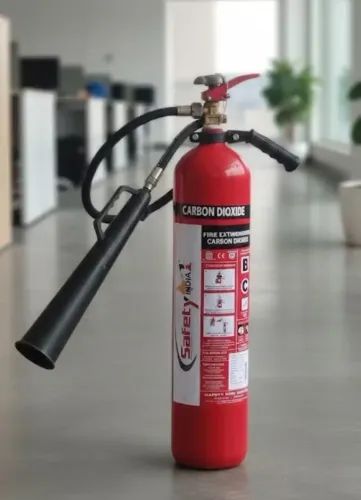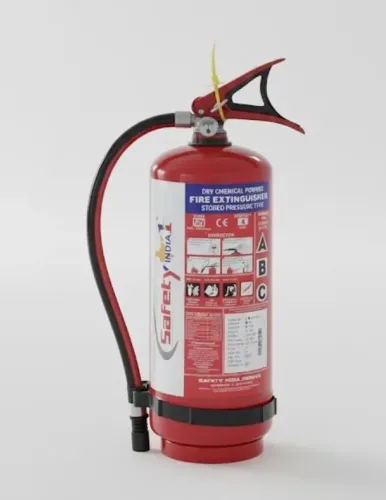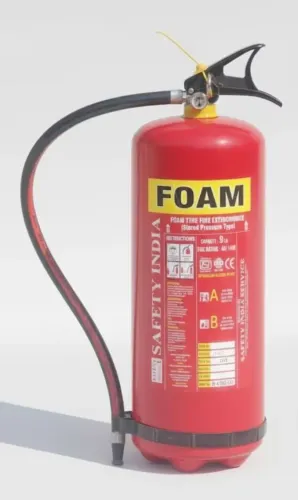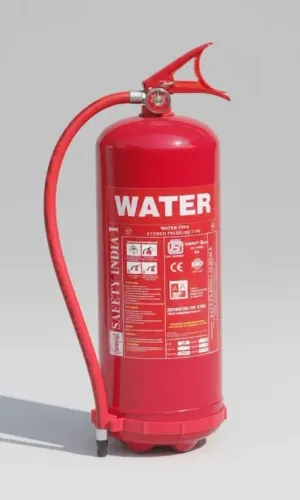
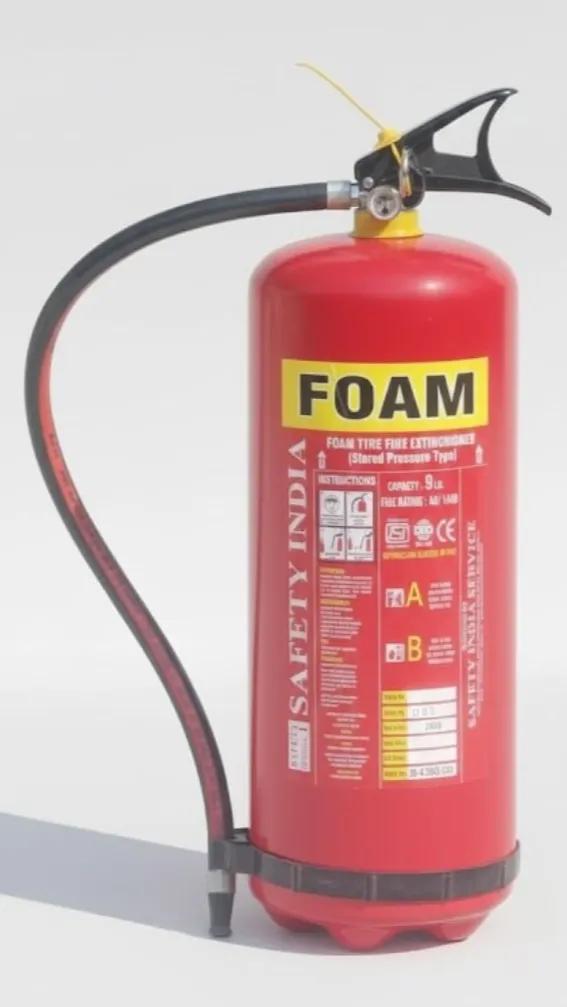
Commercial properties can contain several types of fire risk within the same building. Furniture, packaging, paper products, maintenance materials, and certain flammable liquids may all be present depending on the business. A Foam Fire Extinguisher can be suitable for specified fire classes and applications, making careful hazard assessment essential before purchasing.
For facility managers, the goal should be matching equipment to realistic fire scenarios rather than installing identical extinguishers throughout the premises.
Understand where foam fits
Foam extinguishers are commonly associated with certain ordinary combustible fires and specified flammable-liquid fires, depending on the product's classification and rating.
The foam blanket can help suppress vapours and separate the fuel surface from oxygen in suitable liquid-fire applications.
However, not every liquid hazard is the same, and not every foam formulation has identical characteristics. Buyers should rely on the specific extinguisher rating, manufacturer instructions, and professional fire risk assessment.
Map hazards before deciding quantities
A useful buying process begins with a site walkthrough.
Identify where combustible materials are stored and where flammable liquids are used, handled, or kept. Consider ignition sources and how people move through the property.
A hotel in Mumbai, for example, has different operational zones from a warehouse. A commercial building may combine offices, parking, maintenance areas, electrical installations, and storage. An industrial property can introduce additional process hazards.
Equipment selection should follow these differences.
Avoid treating all extinguishers as interchangeable
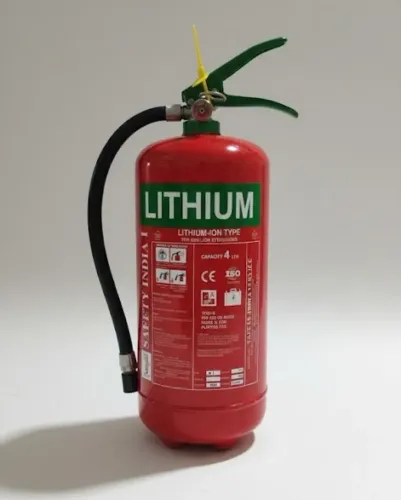
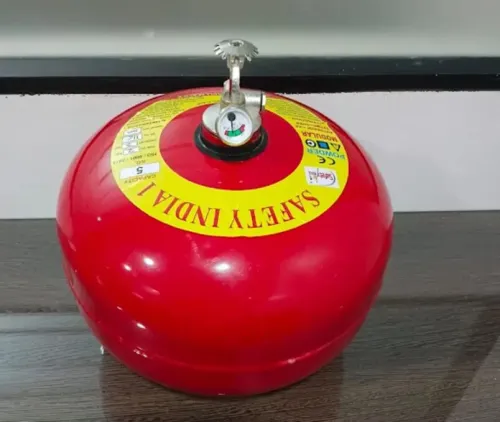
Portable extinguishers vary by extinguishing agent, fire rating, capacity, discharge characteristics, and intended application.
A product suitable for one hazard may be inappropriate for another. Electrical risks in particular need careful evaluation when considering water-based extinguishing media.
This is why a mixed-risk property can require multiple extinguisher types rather than a single product installed everywhere.
Examine lifecycle support
A good purchasing decision continues beyond delivery.
Ask how inspection, servicing, refilling, replacement, and maintenance will be managed. Facility teams should know who is responsible for scheduled checks and how records will be maintained.
For organizations with multiple floors or buildings, equipment identification can also help teams track each unit's service history.
Check whether your premises are truly ready
Several practical indicators can show whether a property has moved beyond basic equipment purchasing toward meaningful fire preparedness.
A well-managed property should have:
- Equipment matched to identified hazards
- Clearly accessible extinguisher locations
- Appropriate signage and identification
- Defined inspection routines
- Maintenance records
- Emergency reporting procedures
- Evacuation arrangements
- Staff awareness
- Periodic reviews after building changes
Missing several of these elements may indicate that the fire protection programme needs broader attention.
Evaluate the provider beyond product supply
A fire safety supplier should be able to discuss applications and limitations, not simply provide a quotation for a requested quantity.
Safety India Service supports fire safety equipment and protection requirements for commercial and industrial customers in Mumbai. Organizations evaluating a provider should discuss site conditions, existing protection, equipment specifications, installation needs, and maintenance expectations before finalizing procurement.
The same principle applies across Maharashtra. A Foam Fire Extinguisher should be selected because it suits an identified hazard, not because it is readily available or familiar.
Thoughtful selection can also reduce unnecessary spending. Purchasing the wrong equipment may eventually require replacement, relocation, or supplementary protection. Assessing the premises first provides a clearer basis for deciding what equipment is genuinely required.
For facility managers, builders, contractors, hotels, warehouses, and commercial organizations, fire extinguisher procurement is ultimately a risk-management exercise. When hazard identification, equipment selection, placement, staff awareness, inspection, and maintenance are handled together, the result is a more practical and sustainable fire safety arrangement.
Keywords