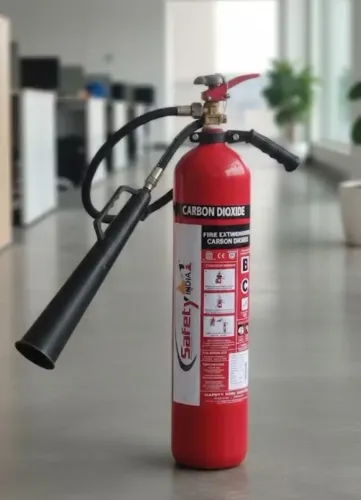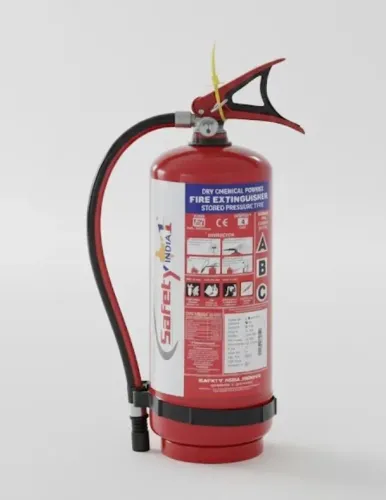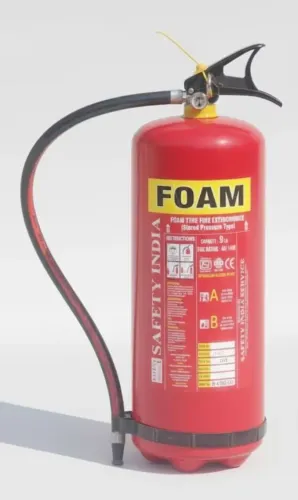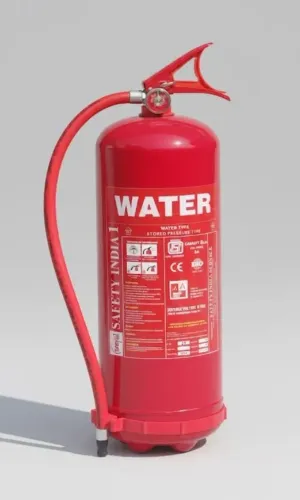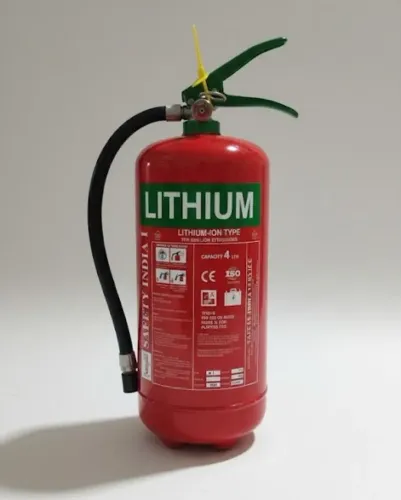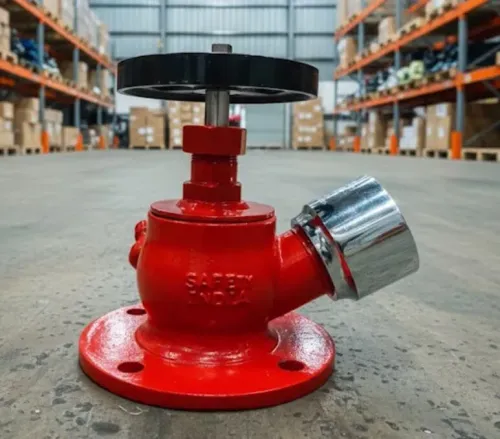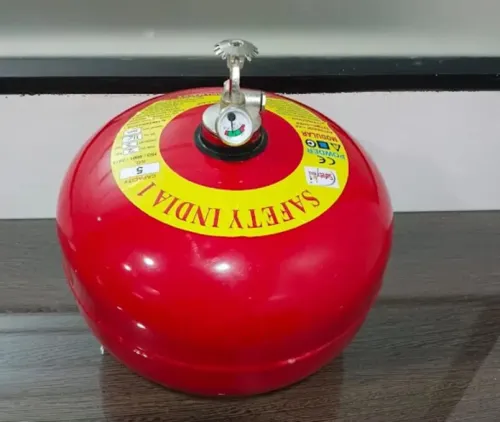
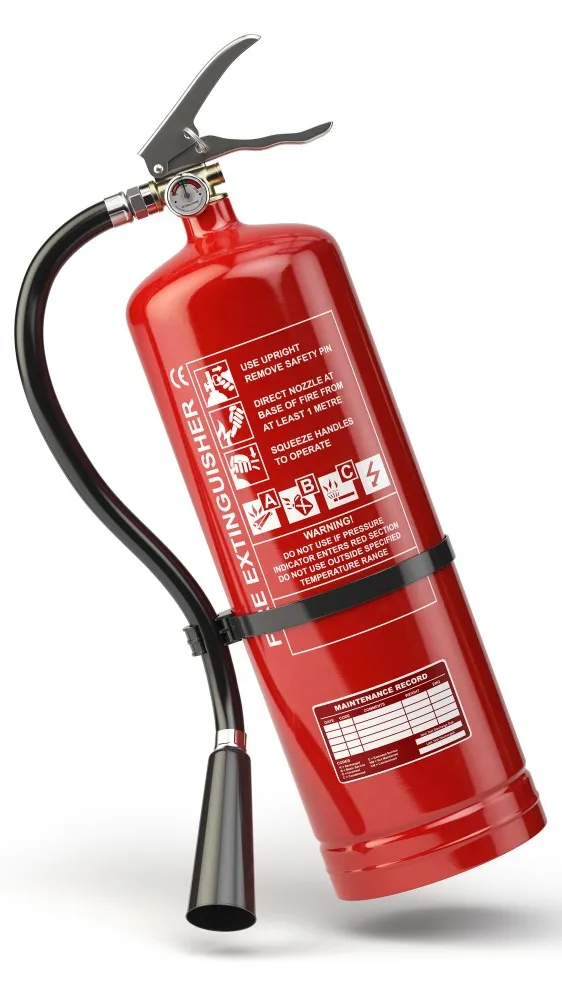
Fire incidents can develop quickly in workplaces where electrical equipment, combustible materials, machinery, packaging, fuels, and everyday office materials are present. Fire extinguishers provide an important first-response resource for dealing with a small, manageable fire when the equipment is appropriate for the hazard and conditions are safe for trained personnel to respond.
For businesses in Mumbai and across Maharashtra, selecting extinguishers should be treated as part of a broader fire protection plan rather than a simple equipment purchase. Industrial units, hospitals, hotels, schools, offices, warehouses, commercial properties, and residential societies can have very different fire risks.
Why extinguisher selection deserves careful planning
A common mistake is assuming that every extinguisher can be used in every situation. Fire risks differ according to the materials, processes, electrical installations, equipment, and activities within a property.
An office may contain computers, electrical panels, paper, furniture, and pantry equipment. A manufacturing facility may introduce oils, chemicals, machinery, hot work, and large quantities of packaging. A warehouse could have high combustible loads spread across substantial storage areas.
This means selection should consider factors such as:
- Types of combustible materials present
- Electrical equipment and installations
- Building layout and occupancy
- Operational activities
- Accessibility during an emergency
- Potential fire locations
- Applicable fire safety requirements
Understanding these conditions helps determine suitable extinguisher types, capacities, quantities, and placement.
Placement can affect emergency response
Having suitable equipment is only part of effective preparedness. Extinguishers also need to be accessible and identifiable.
Equipment hidden behind stored goods, blocked by furniture, placed in difficult-to-reach areas, or positioned without considering likely evacuation routes may be less useful when seconds matter.
Facility managers should periodically check whether access has changed due to new partitions, machinery, storage racks, furniture, renovations, or changes in building use.
Maintenance should never become an afterthought
Fire extinguishers can remain unused for long periods, which makes routine inspection particularly important. An extinguisher that appears fine externally may still require servicing, refilling, component replacement, pressure checks, or other maintenance depending on its type and condition.
Routine attention should include checking:
- Accessibility
- Visible physical damage
- Safety seals
- Operating instructions
- Pressure indication where applicable
- Hose and nozzle condition
- Signs of corrosion
- Service records
Formal servicing should be handled by competent personnel according to the equipment requirements and applicable standards.
Employees need to understand the limitations
Providing equipment does not mean every person should attempt to fight a fire.
Employees should know where extinguishers are located, how emergencies are reported, what evacuation procedures apply, and when evacuation takes priority. Where organizations provide extinguisher training, staff should understand that portable equipment is intended for appropriate early-stage situations and should never encourage unsafe intervention.
A spreading fire, heavy smoke, an uncertain escape route, or an unknown hazard can make evacuation the safer priority.
Fire protection should reflect changing premises
Mumbai businesses frequently modify their workplaces as operations grow. Warehouses add racks, offices install additional electronics, factories introduce machinery, and commercial buildings undergo interior alterations.
Fire protection arrangements should be reviewed when these changes affect the hazard profile.
A periodic fire safety review can help identify whether existing equipment still reflects the actual environment rather than the conditions that existed when the premises first opened.
Ultimately, Fire Extinguishers work most effectively as one part of a coordinated safety approach that includes risk assessment, suitable equipment, clear access, inspection, maintenance, employee awareness, alarms, evacuation planning, and other relevant protection systems. For organizations across Maharashtra, keeping these elements aligned with actual site conditions can create a more dependable level of fire preparedness.
Keywords