


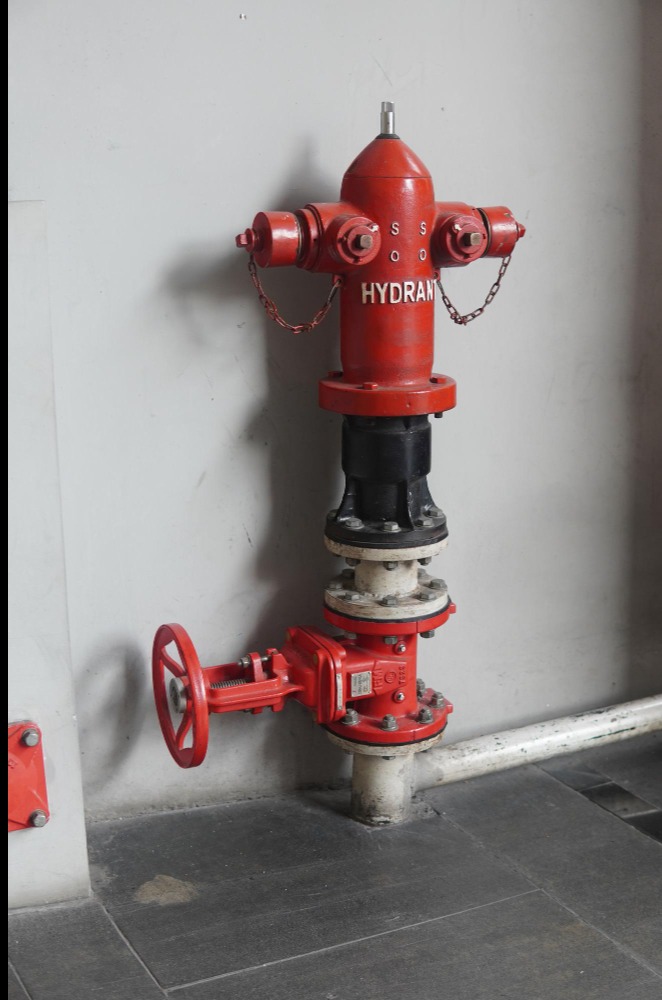
Fire emergencies can escalate rapidly, especially in commercial and industrial environments where large buildings, electrical installations, and valuable assets are involved. While portable fire extinguishers are useful for controlling small fires, larger incidents require a more robust firefighting solution. This is where a fire hydrant system plays a critical role.
A fire hydrant system is one of the most reliable active fire protection systems installed in factories, office complexes, residential towers, shopping centres, hospitals, educational institutions, and warehouses. Designed to provide a continuous supply of water during emergencies, it enables trained personnel and firefighters to respond quickly before a fire spreads throughout the property.
As urban development continues across Mumbai and Maharashtra, fire hydrant systems have become an essential component of modern building safety, helping businesses comply with fire safety regulations while protecting people and infrastructure.
What Is a Fire Hydrant System?
A fire hydrant system is a network of interconnected pipes, pumps, valves, water storage tanks, hydrant outlets, and hose equipment designed to deliver water wherever firefighting is required within a building or industrial premises.
Unlike portable extinguishers that contain a limited extinguishing agent, a hydrant system provides a continuous flow of water, making it suitable for managing larger fires until emergency responders arrive.
The system is typically installed during the construction phase but can also be incorporated into existing buildings as part of fire safety upgrades.
How a Fire Hydrant System Works
Although the system may appear complex, its operation follows a straightforward process.
When a fire is detected:
- Water is stored in a dedicated underground or overhead fire water tank.
- Fire pumps maintain the required water pressure throughout the pipeline network.
- Hydrant valves positioned at strategic locations allow firefighters or trained personnel to connect hoses.
- Water flows through the hoses directly to the affected area.
- The continuous water supply helps control or suppress the fire until additional firefighting support arrives.
This uninterrupted supply is one of the primary reasons hydrant systems are widely used in large commercial and industrial facilities.
Main Components of a Fire Hydrant System
A complete hydrant installation generally consists of several essential components working together.
These include:
- Fire water storage tanks
- Underground and overhead piping
- Fire pumps
- Jockey pumps
- Hydrant valves
- Landing valves
- Hose reels
- Hose cabinets
- Branch pipes and nozzles
- Pressure gauges
- Control panels
Each component contributes to maintaining adequate water pressure and ensuring dependable system performance during an emergency.
Where Fire Hydrant Systems Are Commonly Installed
Hydrant systems are suitable for many different types of properties, including:
- Manufacturing plants
- Commercial office buildings
- Shopping malls
- Hospitals
- Educational institutions
- Hotels
- Warehouses
- Residential high-rise buildings
- Logistics centres
- Industrial parks
Buildings with large floor areas or higher occupancy often require hydrant systems as part of their fire protection infrastructure.
Benefits of Installing a Fire Hydrant System
A properly designed hydrant system provides several long-term advantages.
Some of the most important benefits include:
- Continuous water supply during fire emergencies
- Faster firefighting response
- Improved protection for large buildings
- Enhanced safety for occupants
- Better support for local fire departments
- Reduced property damage
- Compliance with applicable fire safety requirements
- Increased confidence in emergency preparedness
These benefits make hydrant systems an important investment for organizations that prioritize operational safety.
Common Mistakes to Avoid
Installing a hydrant system alone does not guarantee effective fire protection. Ongoing maintenance and proper planning are equally important.
Property owners should avoid:
- Skipping regular inspection and testing
- Allowing hydrant valves to become obstructed
- Ignoring low water pressure issues
- Failing to maintain fire pumps
- Neglecting employee emergency training
- Delaying repairs after faults are identified
Routine maintenance helps ensure that every component functions correctly when needed most.
Choosing the Right Fire Hydrant System
Every property has unique fire safety requirements based on its size, occupancy, operational activities, and potential hazards.
Before selecting a hydrant system, consider:
- Total building area
- Number of floors
- Nature of business operations
- Fire risk assessment
- Water storage capacity
- Required pump capacity
- Local fire safety regulations
- Future expansion plans
Professional system design helps ensure adequate water coverage throughout the premises while supporting efficient emergency response.
Fire Safety Requires More Than Equipment
An effective fire protection strategy combines multiple systems working together. Fire hydrants are often integrated with fire alarm systems, automatic sprinklers, smoke detection equipment, emergency lighting, and evacuation planning to provide comprehensive building protection.
Businesses in Mumbai frequently review their fire safety infrastructure as facilities expand or operational requirements change. Upgrading fire protection systems helps improve preparedness while supporting long-term compliance.
Safety India Service offers fire safety solutions for commercial, industrial, and institutional properties, including fire hydrant system planning and equipment. Additional information about available fire protection products and services can also be found on safetyindiaservice.com.
Building Long-Term Fire Preparedness
A fire hydrant system is more than a regulatory requirement—it is an important investment in protecting people, assets, and business continuity. By providing a dependable water supply during emergencies, hydrant systems support faster firefighting efforts and help reduce the impact of major fire incidents.
Whether planning a new commercial development or upgrading an existing facility in Mumbai or elsewhere in Maharashtra, installing and maintaining a well-designed fire hydrant system is an important step toward creating a safer and more resilient workplace.


