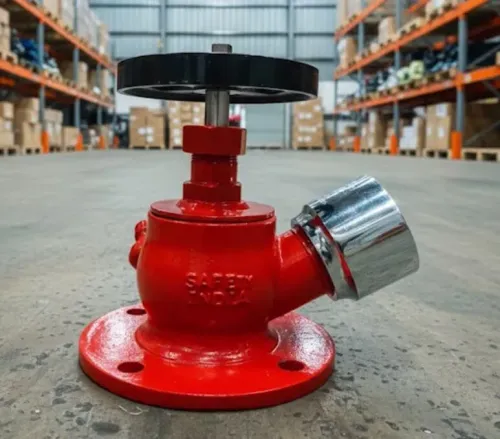
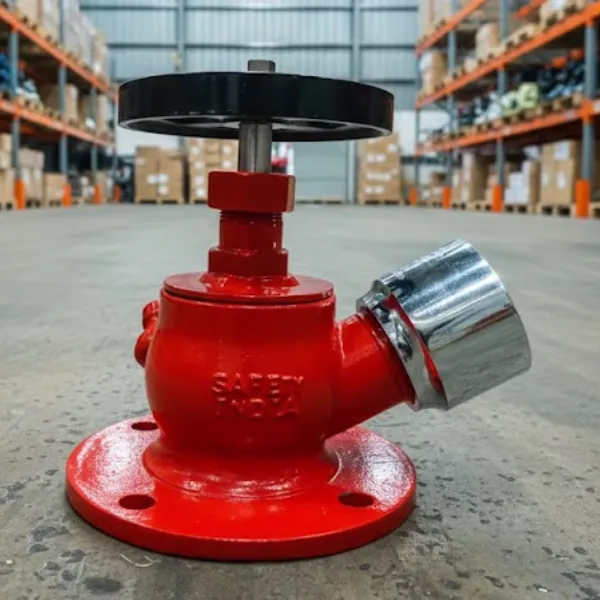
A hydrant installation depends on multiple components working together under emergency conditions. The Single Hydrant Valve is one of those important components, providing a controlled outlet connection within a hydrant system. Although it may appear to be a straightforward product, selecting it without checking specifications, compatibility, quality, and system requirements can create problems during installation and maintenance.
Understanding common mistakes helps procurement teams and contractors make more informed decisions.
Buying only by visual appearance
Hydrant valves from different manufacturers can appear broadly similar in photographs or catalogues.
That does not mean they have identical specifications.
Procurement teams should check the relevant technical information rather than selecting a valve simply because its shape resembles an existing component. Connection details, material specifications, pressure requirements, outlet arrangement, applicable approvals, and other project criteria can influence suitability.
For replacement work, accurate identification of the existing system is particularly important.
Ignoring the complete hydrant design
A hydrant valve does not operate independently.
It forms part of a system involving pipework, pumps, water storage, hoses, fittings, controls, and other equipment. A component should therefore match the design conditions of the complete installation.
Contractors handling projects in Mumbai should ensure procurement follows approved technical specifications rather than making isolated substitutions based solely on availability.
Treating price as the only quality measure
Fire protection equipment is expected to remain dependable even though it may rarely be used in an actual emergency.
Choosing components entirely on the lowest purchase price can overlook material quality, manufacturing consistency, documentation, technical compatibility, and long-term serviceability.
A better procurement review considers:
- Technical specifications
- Material and construction
- Project compatibility
- Product documentation
- Required approvals
- Supplier support
- Replacement availability
- Installation requirements
- Maintenance considerations
This creates a more complete view of value.
Overlooking accessibility after installation
Even a properly selected valve needs to remain usable.
In factories and warehouses, hydrant locations can gradually become obstructed by pallets, machinery, storage racks, raw materials, and temporary stock. In commercial properties, renovation work can affect access.
Routine facility inspections should confirm that firefighting points remain clearly accessible.
Neglecting leakage and physical condition
Hydrant components need scheduled inspection.
Signs of leakage, corrosion, physical damage, difficult operation, missing components, and unauthorized modifications should receive attention rather than being left until the next major service.
The entire hydrant installation should be inspected and maintained according to applicable requirements and the system's maintenance programme.
Making unreviewed substitutions
Construction schedules can create pressure to obtain components quickly. When a specified product is unavailable, teams may be tempted to install an alternative without appropriate technical review.
This can introduce compatibility issues.
Any proposed substitution should be checked against the approved design and relevant project requirements before installation.
Keeping poor maintenance records
Documentation may seem administrative, but it supports long-term system management.
Inspection records can show recurring issues, component replacements, maintenance dates, and areas requiring follow-up. This is especially useful in large industrial and commercial properties where numerous hydrant points may be distributed across the site.
For Maharashtra facilities managing complex fire protection infrastructure, consistent records make it easier to track the condition of the system over time.
A Single Hydrant Valve should therefore be selected as a functional part of the entire hydrant installation, not as an isolated commodity. Accurate specifications, dependable construction, proper installation, clear access, inspection, and maintenance all matter.
By avoiding shortcuts during procurement and installation, facility managers and contractors can reduce preventable compatibility problems and maintain a more coherent fire protection system throughout the property.
Keywords