


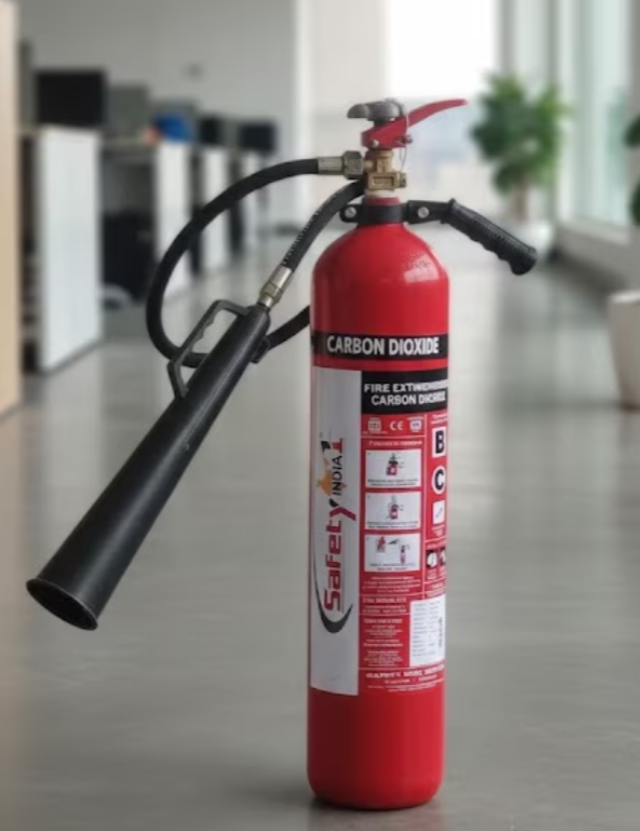
Fire safety is an essential part of protecting people, property, and business operations. While many people know that fire extinguishers are important, fewer understand that different types are designed for different kinds of fires. Using the wrong extinguisher can make a fire more dangerous or cause unnecessary damage. Among the various options available, CO2 Based Fire Extinguishers are widely recommended for environments where electrical equipment and sensitive machinery need protection.
Unlike water-based extinguishers, carbon dioxide extinguishers suppress fire by displacing oxygen around the flames. They also cool the burning material without leaving behind powder or liquid residue. This makes them particularly suitable for areas containing electrical panels, computer systems, servers, laboratory equipment, and other valuable electronic assets.
Businesses across Mumbai and Maharashtra, from commercial offices to industrial facilities, increasingly rely on CO2 extinguishers as part of their overall fire protection strategy. However, understanding where they should be installed and how they should be used is just as important as having them available.
How CO2 Based Fire Extinguishers Work
A CO2 fire extinguisher stores carbon dioxide under high pressure. When activated, the gas is released through a specially designed horn, forming a cloud that surrounds the fire.
The extinguisher controls the fire by:
- Reducing the oxygen available to support combustion
- Cooling the immediate area around the flames
- Preventing the fire from spreading to nearby equipment
- Leaving no residue after discharge
Because carbon dioxide evaporates completely, it helps protect delicate electronic equipment that could otherwise be damaged by water or dry chemical agents.
Where CO2 Fire Extinguishers Are Most Effective
CO2 extinguishers are designed primarily for electrical fires and flammable liquid fires. They are commonly installed in locations such as:
- Electrical control rooms
- Server rooms and data centres
- Computer laboratories
- Manufacturing units with electrical machinery
- Office spaces containing IT equipment
- UPS and battery backup rooms
- Control panels in commercial buildings
These environments often contain expensive equipment where secondary damage from firefighting agents can be as costly as the fire itself.
Fires They Are Designed to Handle
CO2 Based Fire Extinguishers are generally suitable for:
- Electrical fires involving live equipment
- Fires caused by short circuits
- Flammable liquid fires involving solvents, paints, or fuels
They are not intended for every fire situation. For example, they are generally not the preferred choice for ordinary combustible materials such as wood, paper, textiles, or deep-seated fires where embers may continue burning after the gas disperses.
Selecting the correct extinguisher always depends on a proper fire risk assessment of the premises.
Advantages of CO2 Fire Extinguishers
Many businesses choose CO2 extinguishers because they offer several practical benefits.
Some of the most important advantages include:
- No residue left after use
- Safe for electrical equipment when used correctly
- Minimal cleanup after discharge
- Fast suppression of electrical fires
- Reduced risk of equipment contamination
- Suitable for sensitive commercial environments
These characteristics make them especially valuable in industries where operational downtime can result in significant financial losses.
Common Mistakes to Avoid
Even a high-quality extinguisher can become ineffective if it is not selected, installed, or maintained properly.
Some common mistakes include:
- Installing the wrong extinguisher type for electrical hazards.
- Ignoring routine inspections and maintenance.
- Blocking access to extinguishers with furniture or stored materials.
- Allowing staff to remain untrained in emergency response.
- Assuming one extinguisher type is suitable for every fire risk.
Regular inspections help ensure that extinguishers remain fully charged, accessible, and compliant with applicable fire safety requirements.
Choosing the Right Fire Protection Solution
Every building has unique fire risks based on its activities, equipment, occupancy, and layout. Offices may require a different fire safety arrangement than warehouses, factories, hospitals, educational institutions, or retail outlets.
Before selecting fire extinguishers, it is useful to evaluate:
- The types of fire hazards present
- The number of occupants
- Electrical installations
- Storage of flammable materials
- Applicable fire safety regulations
- Ease of maintenance and inspection
Professional guidance can help businesses create a balanced fire protection system instead of relying on a single type of extinguisher.
Companies such as Safety India Service work with commercial and industrial clients to help identify suitable fire safety equipment based on operational requirements. Information about available products, maintenance support, and fire protection solutions can also be explored through safetyindiaservice.com as part of the planning process.
Building a Safer Workplace
Fire safety is not achieved by installing equipment alone. It requires regular maintenance, employee awareness, emergency planning, and selecting equipment that matches actual workplace hazards.
For businesses operating in Mumbai and throughout Maharashtra, CO2 Based Fire Extinguishers continue to play an important role in protecting electrical infrastructure and valuable assets. When combined with appropriate fire safety planning, periodic inspections, and trained personnel, they contribute to a more reliable emergency response strategy while helping reduce potential property damage and operational disruption.


