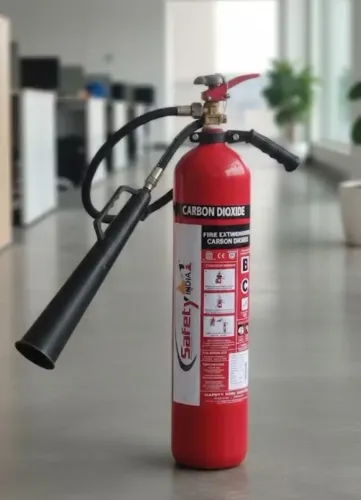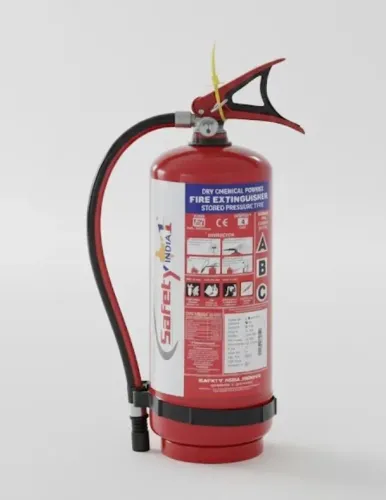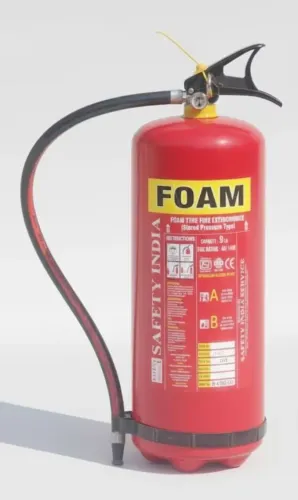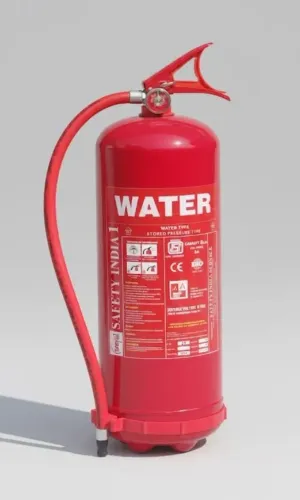
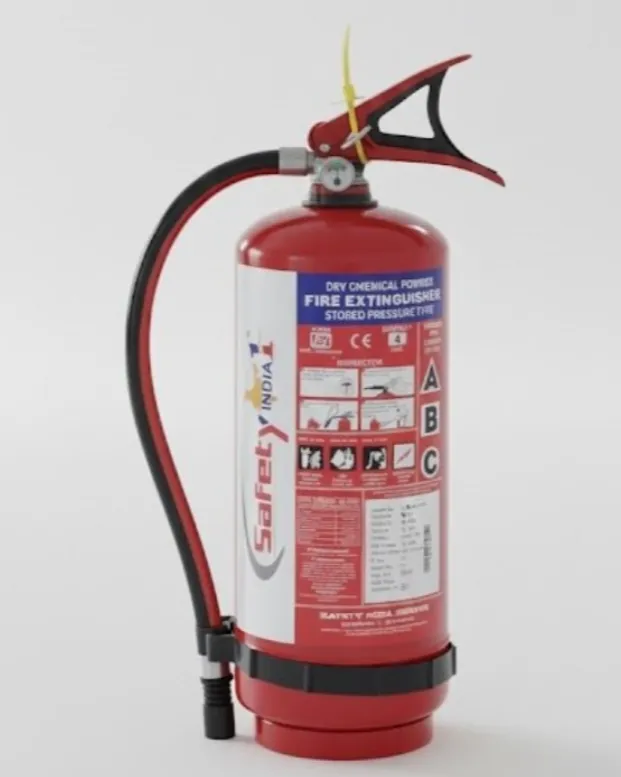
Many workplaces contain more than one type of combustible material. Offices can have paper, furniture, plastics, and electrical equipment, while workshops and industrial units may introduce additional combustible materials and machinery. This is one reason ABC Fire Extinguishers are commonly considered for environments with mixed fire hazards.
Their broad application can be useful, but suitability should still be assessed rather than assumed.
Understanding the ABC classification
ABC dry chemical extinguishers are intended for specified classes of fire involving common combustible materials, flammable liquids, and energized electrical equipment, subject to the extinguisher's rating and instructions.
That versatility can make them practical in many general workplace settings.
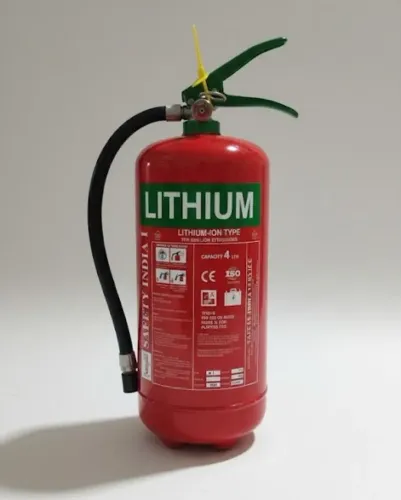
However, broad capability does not mean universal suitability. Certain specialised hazards require different extinguishing agents and dedicated protection strategies.
This distinction is important when purchasing equipment for factories, kitchens, laboratories, technical rooms, battery areas, and specialised industrial operations.
Match the equipment to the actual workplace
Before selecting an extinguisher, consider the materials and activities present.
For example, a Mumbai office building may primarily contain furniture, documents, electrical equipment, and pantry areas. A manufacturing unit elsewhere in Maharashtra may include machinery, oils, raw materials, packaging, electrical panels, and production processes.
The two properties should not automatically receive identical equipment simply because they have similar floor areas.
A fire risk assessment helps establish which hazards exist and what equipment is appropriate.
Consider the consequences of discharge
Extinguisher selection is not solely about whether the agent can tackle a particular fire class. The effect of using the agent can also matter.
Dry chemical powder can leave residue after discharge. In areas containing sensitive electronics, precision equipment, or specialised processes, cleanup and equipment impact may therefore be relevant considerations.
This does not make ABC equipment unsuitable by default. It means the choice should reflect both fire risk and the characteristics of the protected environment.
Look beyond the purchase price
Comparing extinguishers only by initial price can lead to poor purchasing decisions.
A more useful evaluation includes:
- Appropriate fire rating
- Required capacity
- Product quality
- Certification and compliance requirements
- Ease of inspection
- Service support
- Refill arrangements
- Spare component availability
- Expected installation environment
- Maintenance requirements
Facility managers responsible for multiple properties should also consider whether equipment can be consistently inspected and serviced across their portfolio.
Correct placement improves practical usefulness
Once suitable extinguishers have been selected, placement needs equal attention.
Units should be clearly identifiable and accessible according to the site's fire safety plan and applicable requirements. They should not disappear behind furniture, stock, equipment, temporary partitions, or locked access points.
In warehouses and factories, changing storage arrangements make periodic access checks particularly important.
Train people around the equipment
Employees should know how to raise an alarm and evacuate safely. Personnel expected to use portable extinguishers should receive appropriate instruction and understand the limits of first-response firefighting.
No employee should be encouraged to remain in a dangerous situation merely because an extinguisher is available.
Build servicing into the buying decision
The equipment will need ongoing attention after installation.
Safety India Service supports fire safety equipment requirements for commercial, industrial, institutional, and residential properties in Mumbai. When evaluating a provider, buyers should consider whether appropriate inspection, maintenance, refilling, and technical support are available in addition to the initial supply.
ABC Fire Extinguishers can be a practical choice for many mixed-risk environments, but effective protection depends on correct selection, placement, maintenance, and user awareness. Evaluating the entire lifecycle of the equipment creates a more reliable fire safety arrangement than choosing units based only on price or general popularity.
Keywords