Fire Safety Begins Above the Ceiling
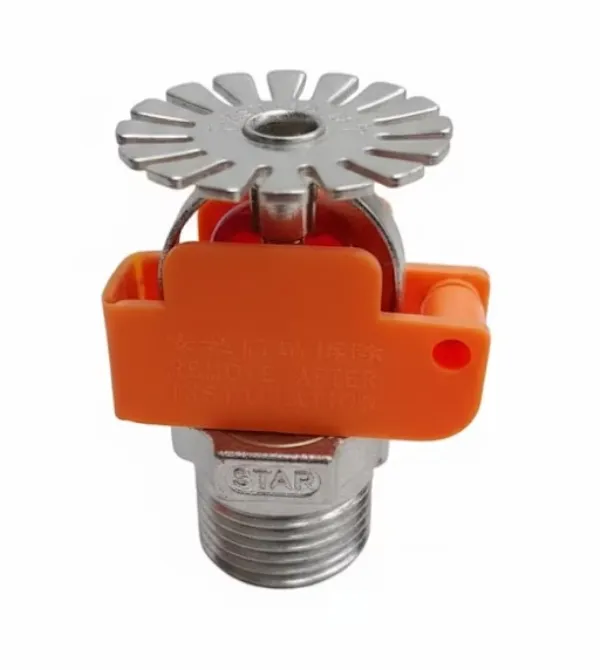
A Pendent Sprinkler is one of the most commonly installed automatic fire protection devices in commercial and industrial buildings. Suspended from the ceiling, it is designed to activate when heat reaches a predetermined temperature, releasing water directly onto the affected area. Unlike manual firefighting equipment, sprinkler systems respond automatically, helping control a fire during its early stages.
For offices, hotels, shopping malls, hospitals, warehouses, manufacturing facilities, and residential towers across Mumbai, selecting the right pendent sprinkler contributes to improved life safety and reduced property damage.
Understanding How a Pendent Sprinkler Operates
Each sprinkler head functions independently. When exposed to excessive heat, the heat-sensitive glass bulb or fusible link breaks, allowing water to flow only from the activated sprinkler.
Contrary to a common misconception, all sprinklers do not discharge simultaneously. Only the sprinkler closest to the fire activates first, helping minimize unnecessary water usage while effectively controlling the incident.
Different Pendent Sprinkler Designs Meet Different Needs
Selecting the correct sprinkler depends on the building's occupancy and fire hazards.
Standard Response Pendent Sprinkler
Suitable for offices, retail stores, educational institutions, and residential buildings where normal fire growth is expected.
Quick Response Pendent Sprinkler
Designed to activate faster, making it ideal for hospitals, hotels, schools, and locations where occupant safety is a priority.
Extended Coverage Pendent Sprinkler
Provides protection across a larger floor area, reducing the total number of sprinkler heads required in certain applications.
Corrosion Resistant Pendent Sprinkler
Used in chemical plants, food processing facilities, coastal environments, and locations exposed to moisture or corrosive substances.
Important Factors Before Installation
Choosing a sprinkler involves more than selecting a model.
Consider:
- Ceiling height
- Occupancy classification
- Fire load
- Water supply capacity
- Ambient temperature
- Pipe network design
- Applicable fire safety standards
A professionally designed sprinkler layout ensures complete coverage throughout the protected area.
Common Installation Mistakes
Several mistakes can reduce sprinkler effectiveness.
These include:
- Incorrect spacing between sprinklers
- Obstructions below sprinkler heads
- Unsuitable temperature ratings
- Poor water pressure
- Damaged sprinkler bulbs
- Inadequate system testing
Routine inspections help identify these issues before they become safety risks.
Routine Maintenance Supports Reliable Performance
Periodic maintenance should include:
- Visual inspection
- Corrosion checks
- Obstruction removal
- Water flow testing
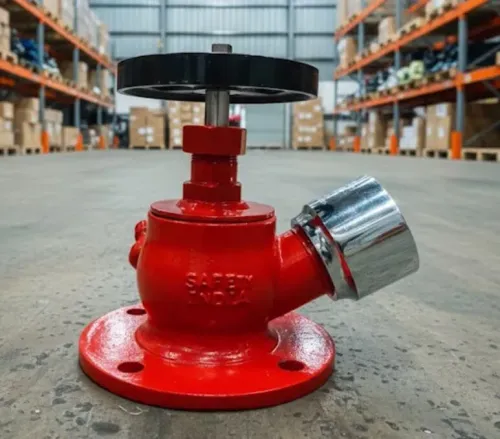
- Valve inspection
- Pressure verification
- Documentation updates
Well-maintained sprinkler systems remain ready for emergencies throughout their service life.
Automatic Protection Supports Safer Buildings
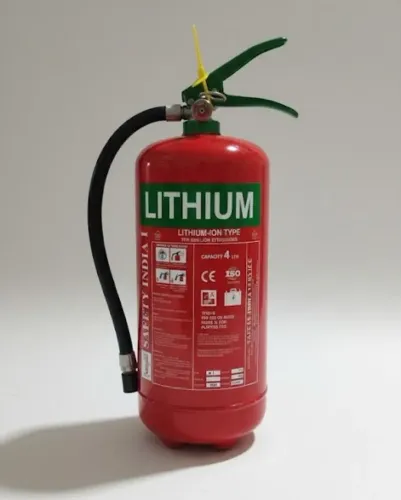
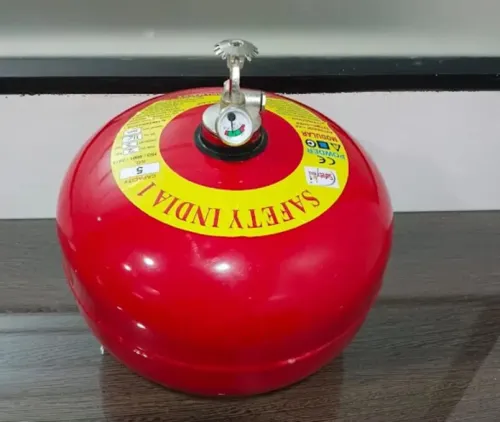
A Pendent Sprinkler system becomes even more effective when integrated with fire alarm panels, hydrant systems, portable extinguishers, and emergency evacuation procedures.
With Mumbai continuing to expand through commercial developments, healthcare facilities, residential projects, and industrial infrastructure, automatic sprinkler protection remains an essential part of modern fire safety planning. Companies such as Safety India Service help organizations select sprinkler systems suited to their operational requirements and building layouts.
Installing the right pendent sprinkler system strengthens emergency preparedness while protecting people, assets, and business continuity.
Keywords